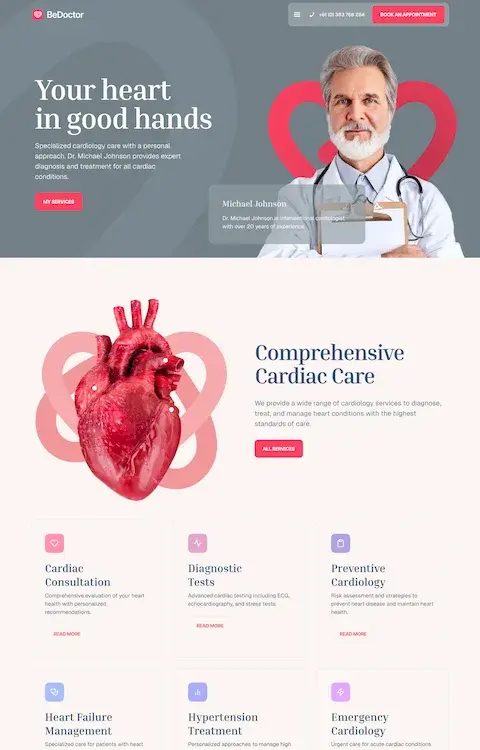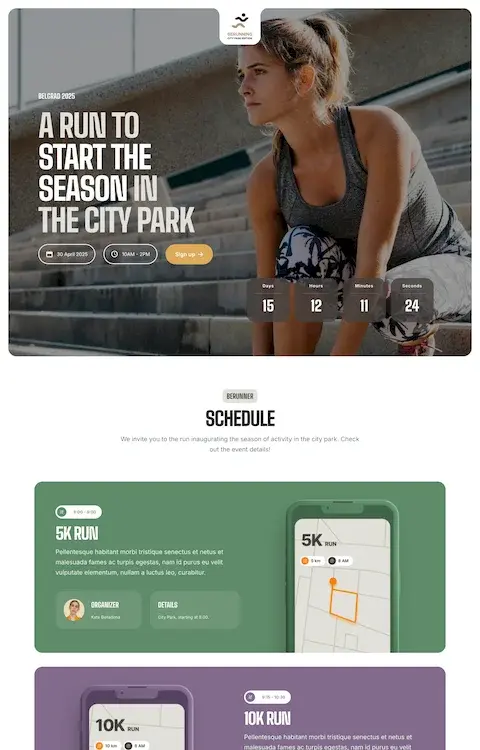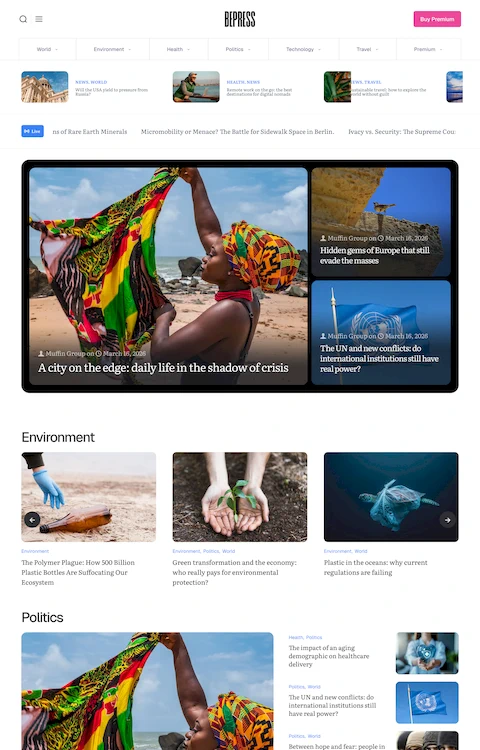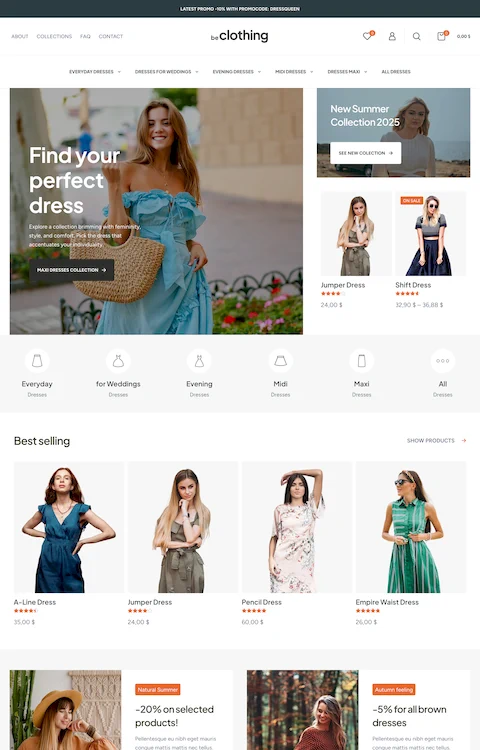

Powerful Examples of Healthcare Landing Pages
June 23, 2025
Landscaping Website Design Examples for Inspiration
July 2, 2025Your website loses potential clients within three seconds. Pet owners searching for veterinary clinics, grooming salons, or boarding facilities judge your business by its online presence before anything else.
The best pet care website design examples share common traits: fast loading speeds, mobile-friendly layouts, and booking systems that actually work.
This guide breaks down what separates high-converting pet business websites from the ones gathering digital dust.
You will learn which homepage layouts drive appointments, what color schemes build trust, and how top performers like Chewy, PetSmart, and Rover structure their user experience.
Real examples. Actionable patterns. No fluff.
What is Pet Care Website Design
Pet care website design is the creation of digital platforms for veterinary clinics, pet supply stores, grooming salons, animal shelters, and pet service providers.
These websites connect pet owners with services like animal health consultations, nutrition guidance, boarding reservations, and adoption listings.
The design process covers visual layout, booking system integration, mobile responsiveness, and trust-building elements specific to the pet industry.
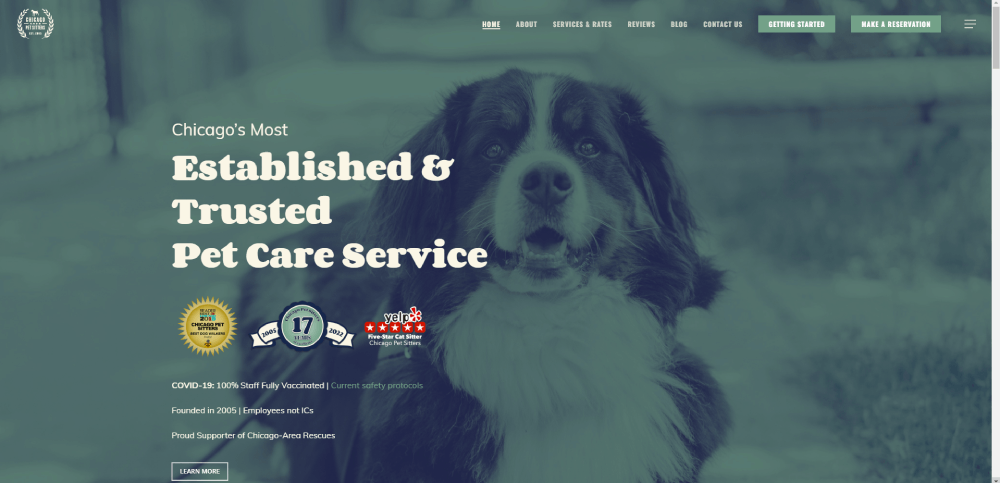
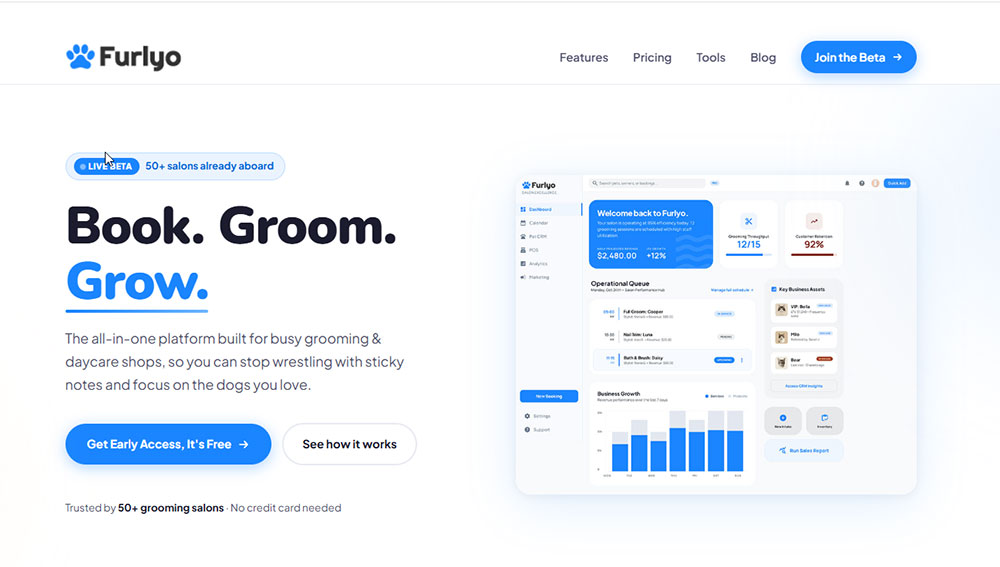
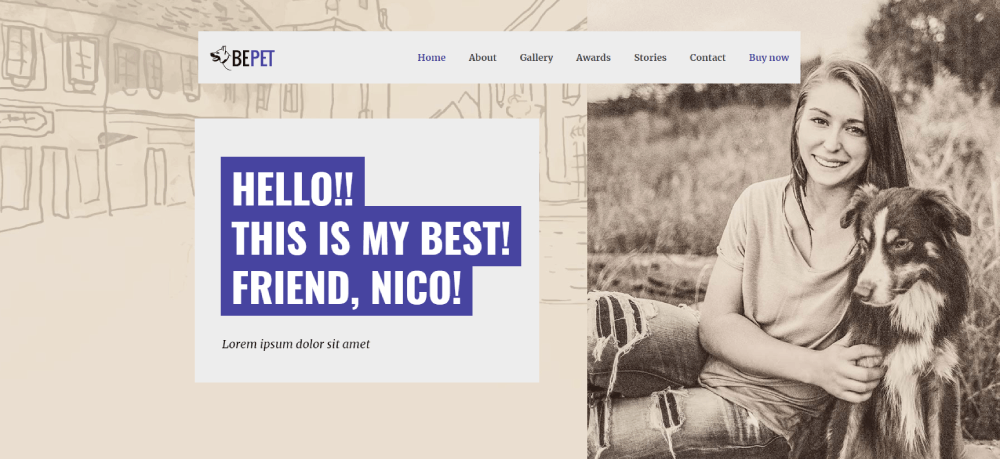
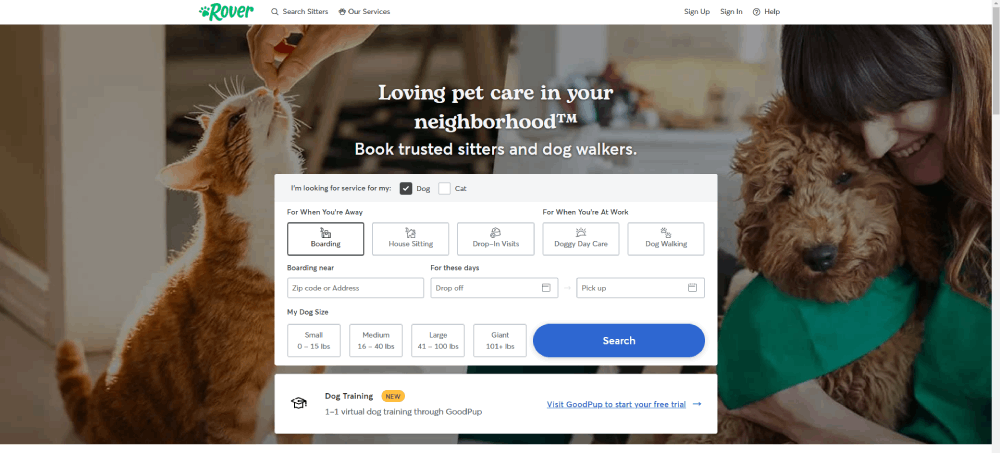
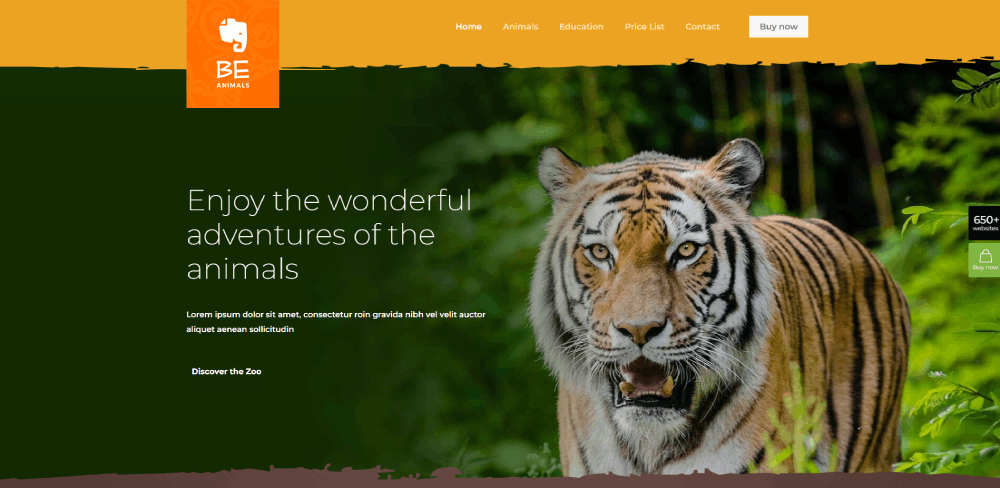
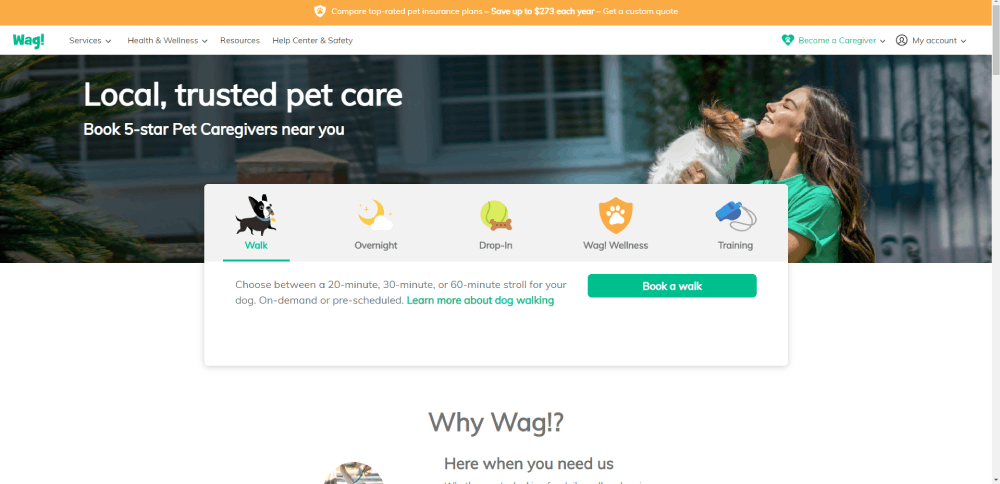
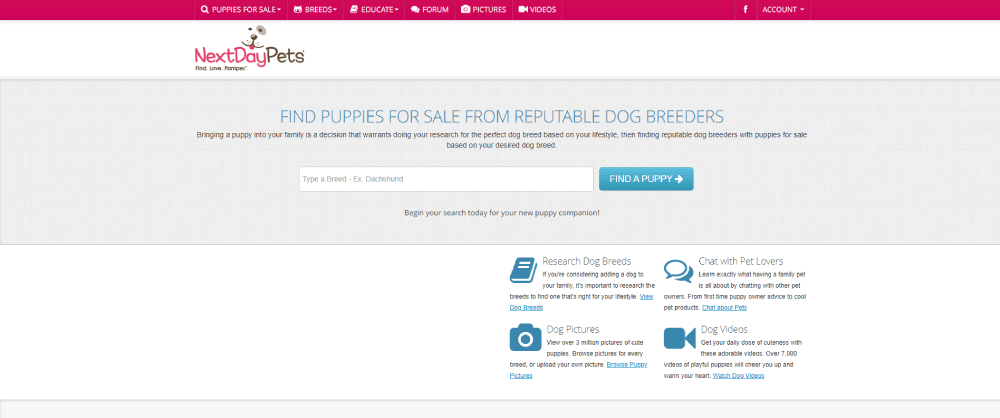
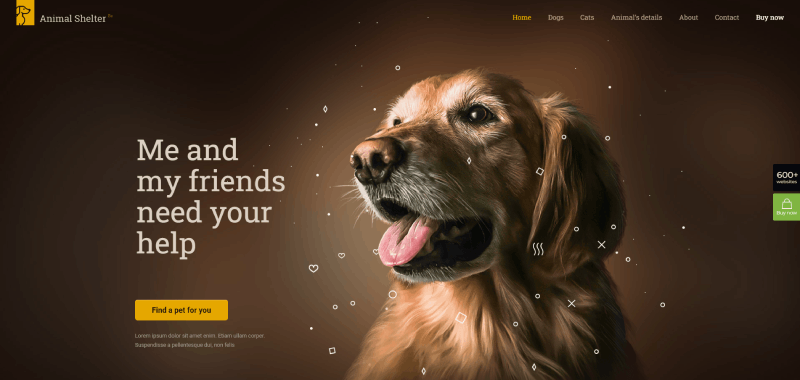
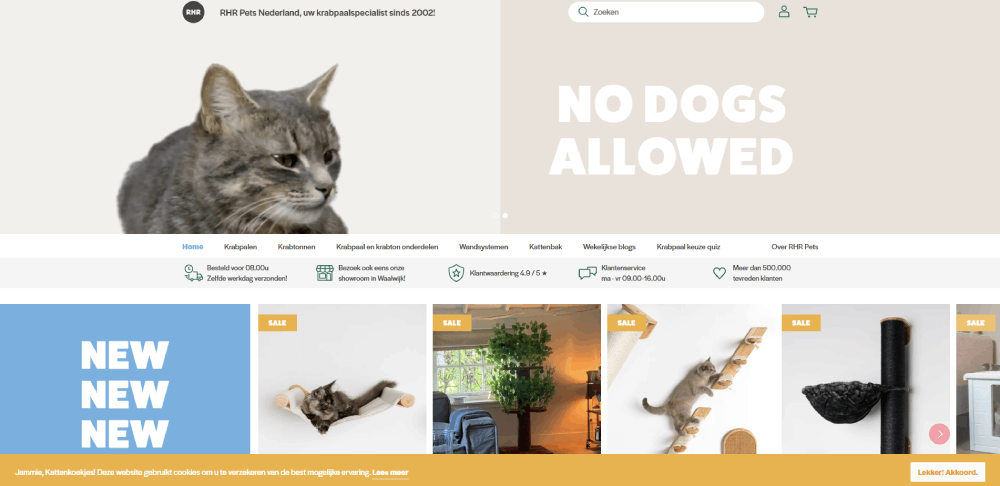
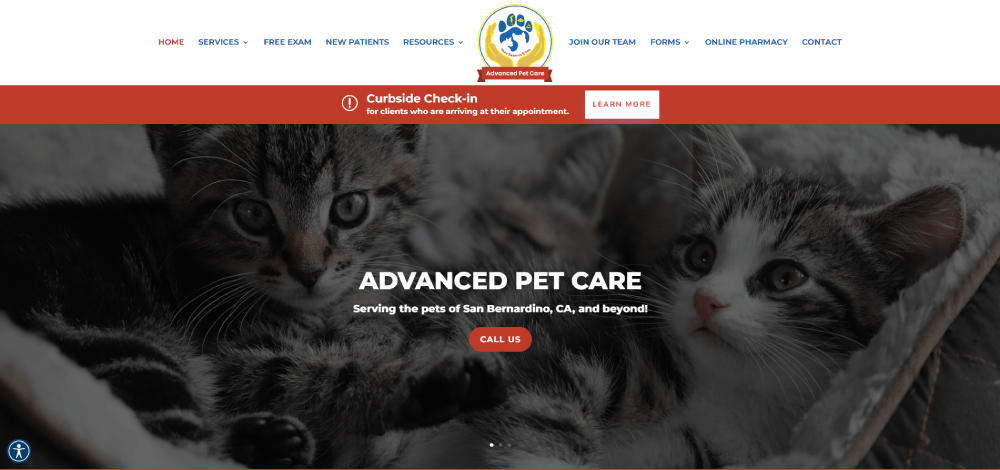
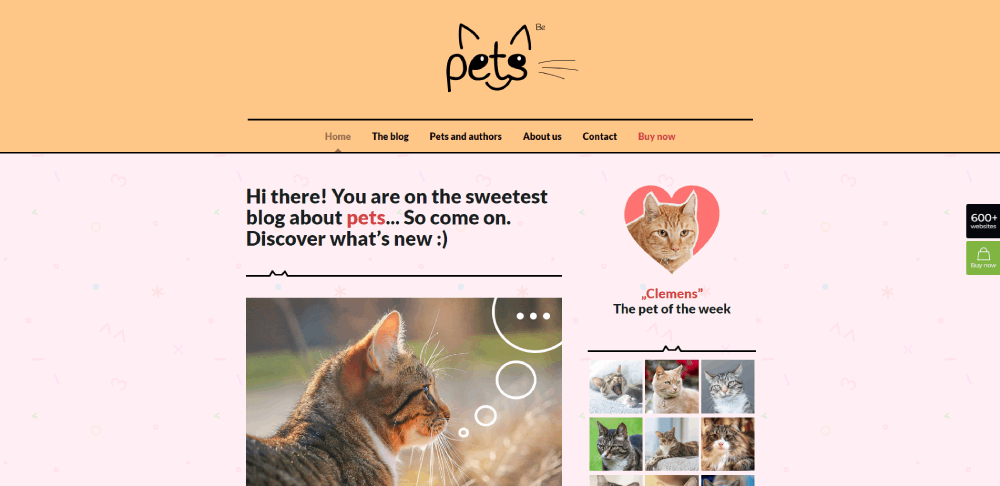
Pet Care Website Design Examples
Furlyo
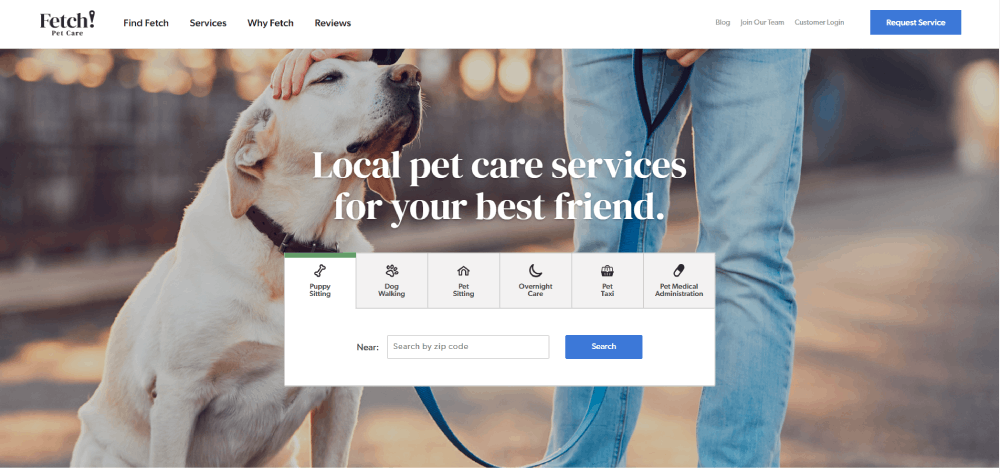
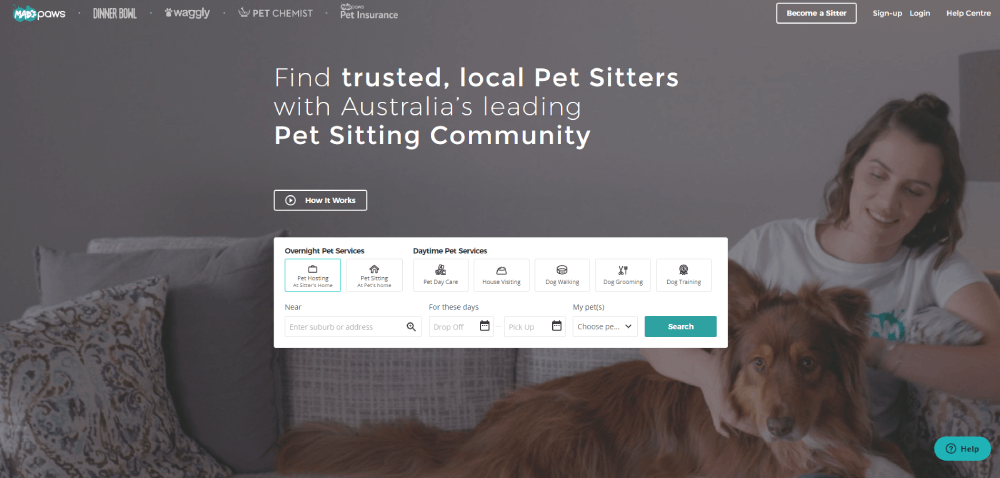
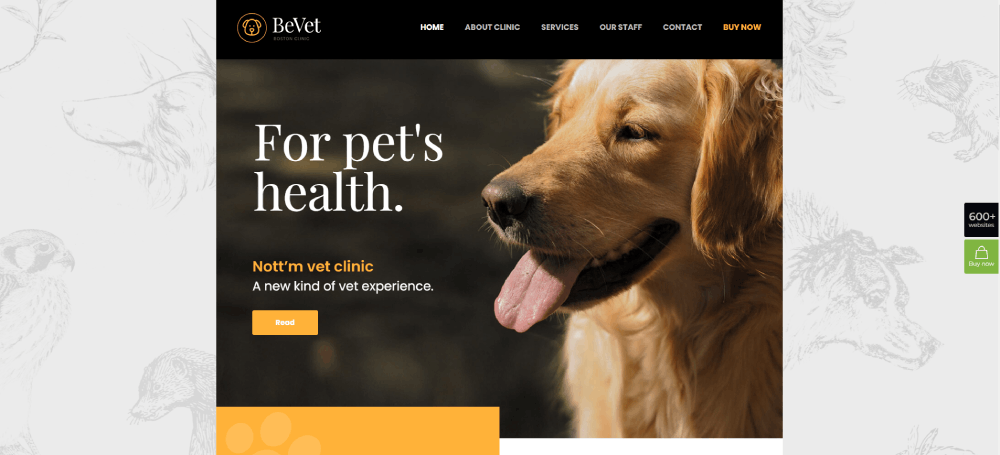
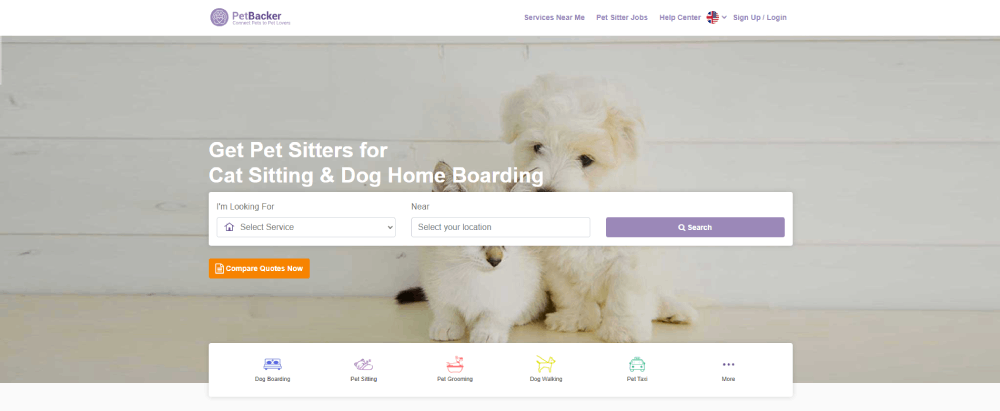
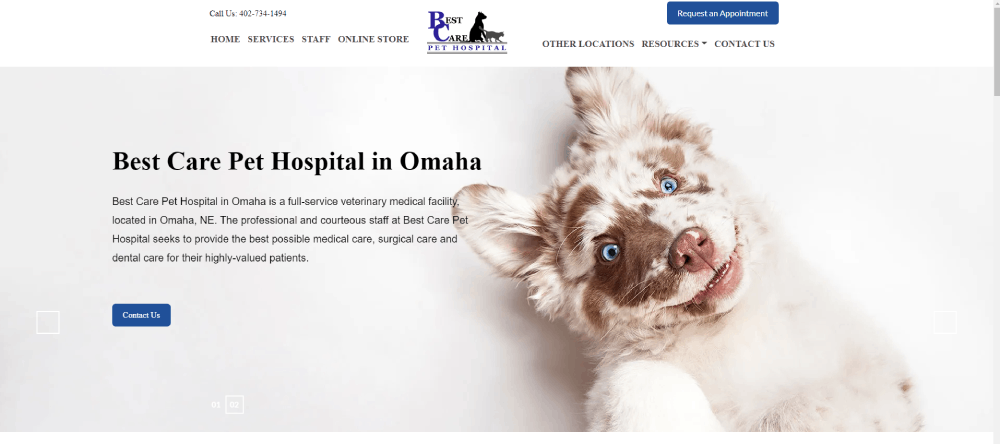
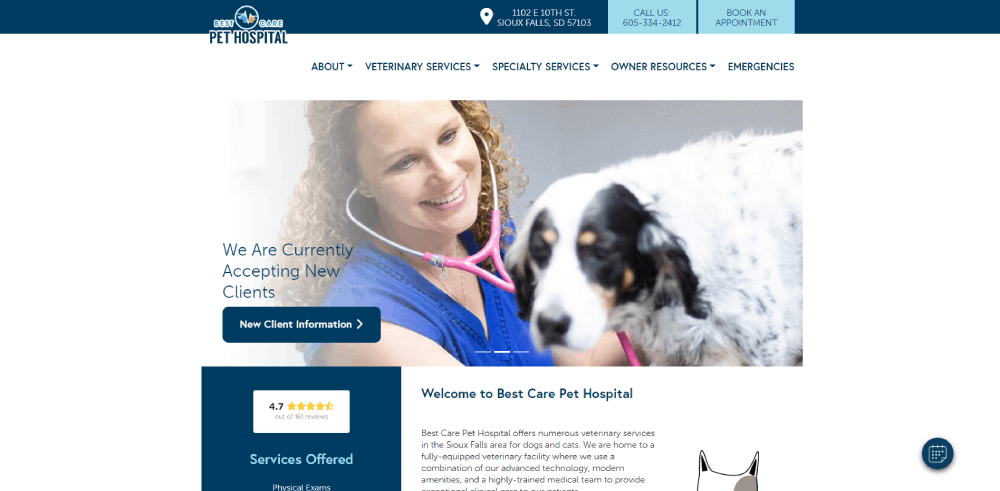
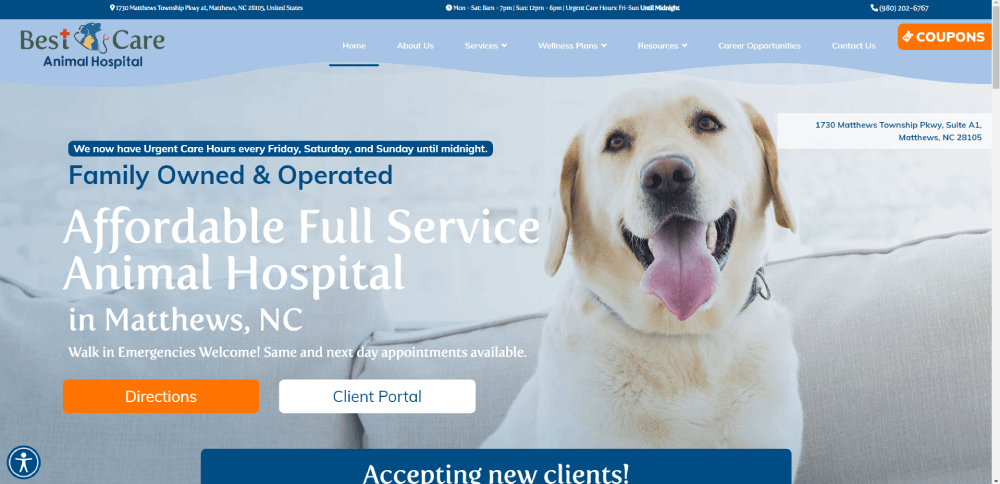
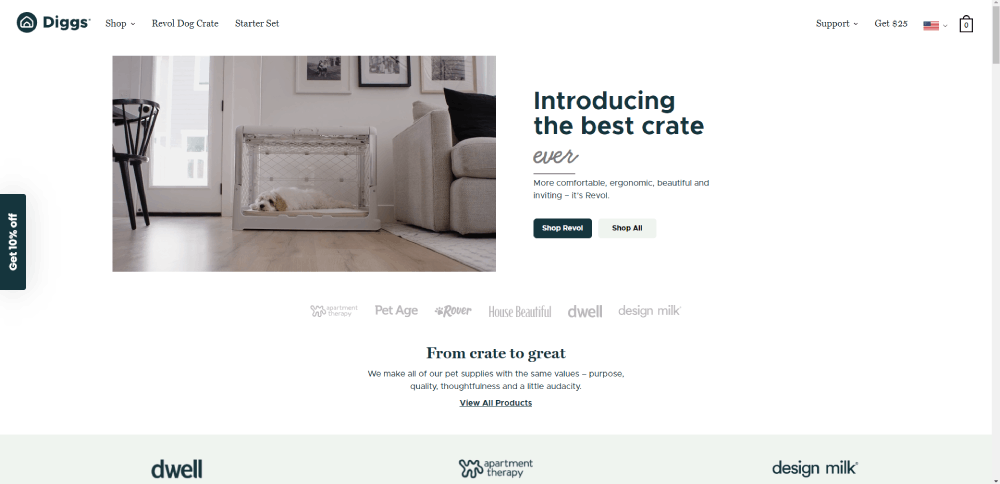
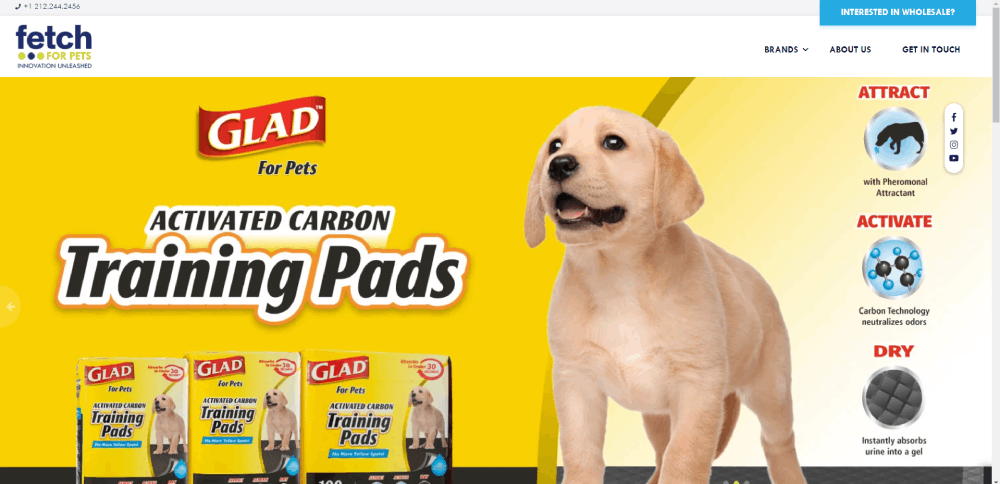
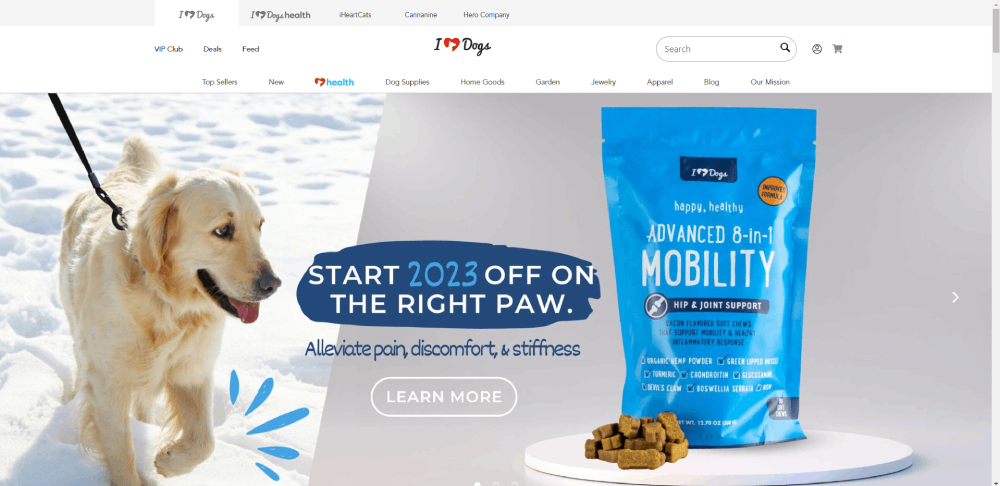
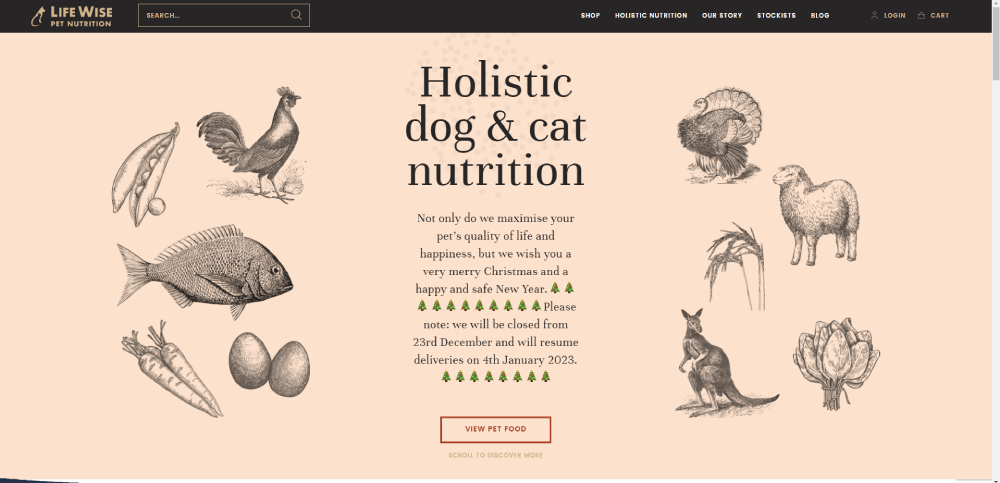
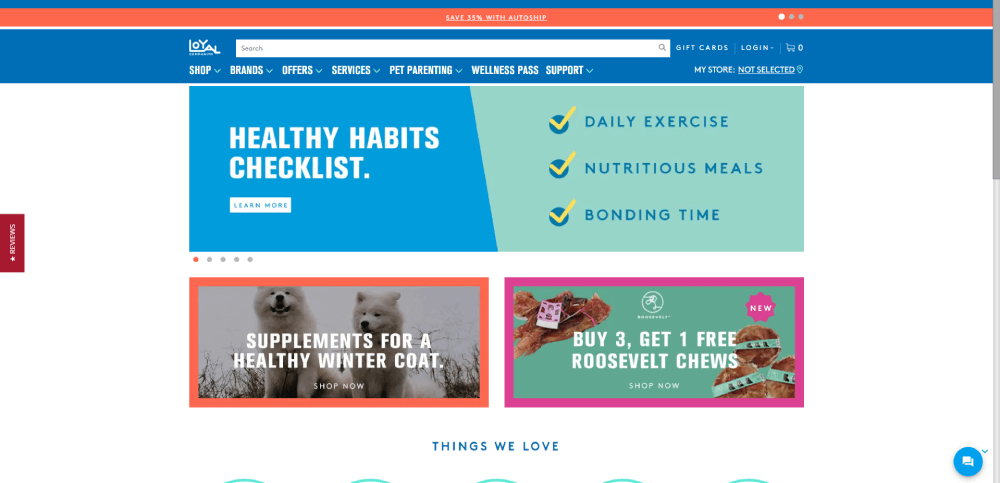
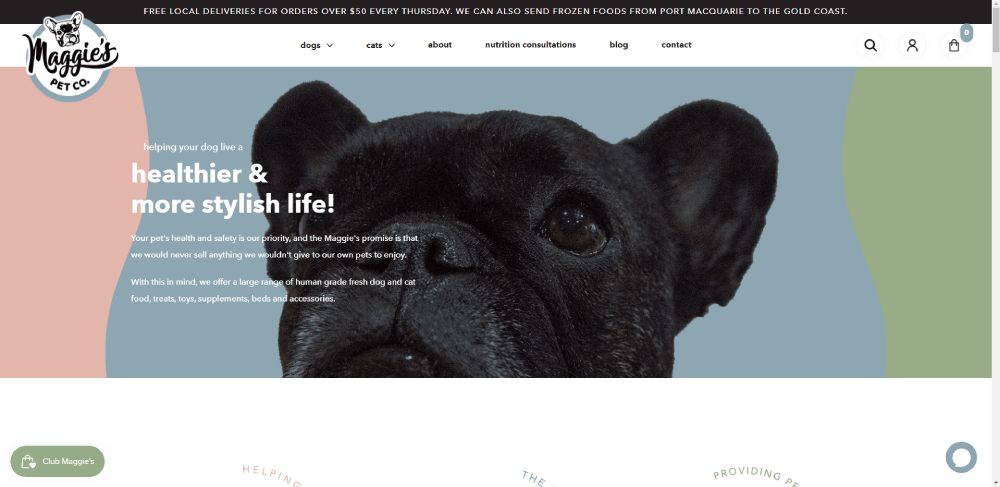
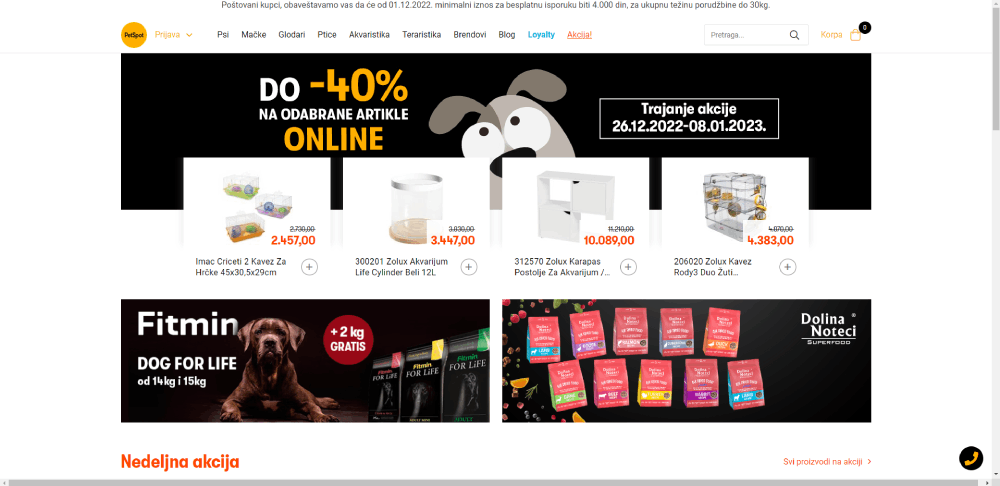
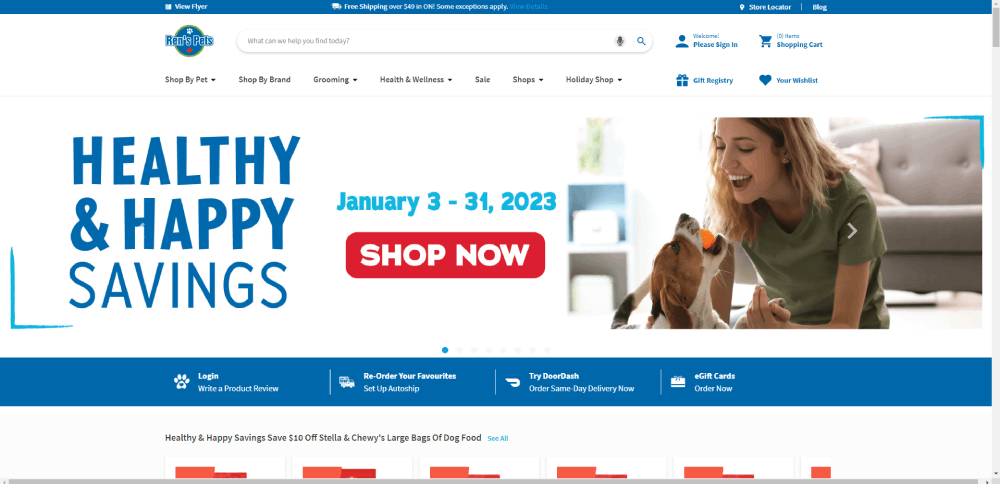
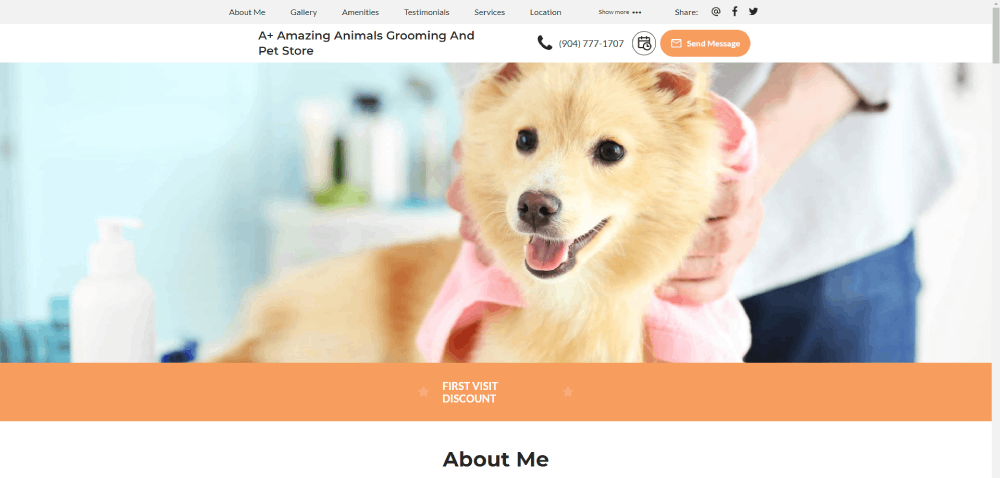
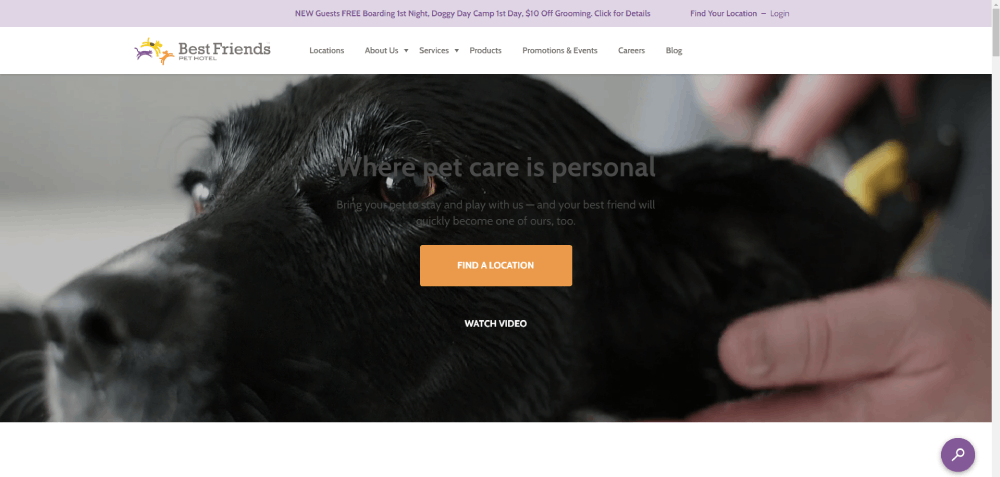
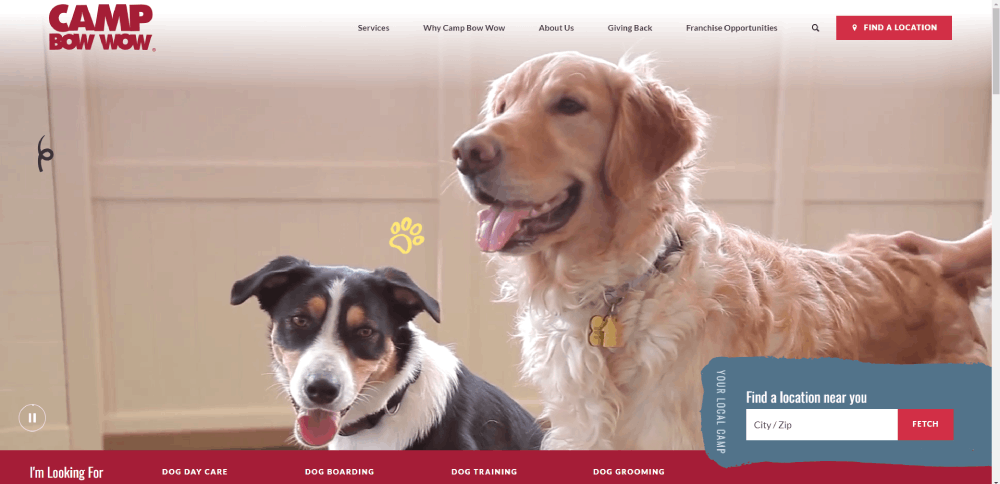
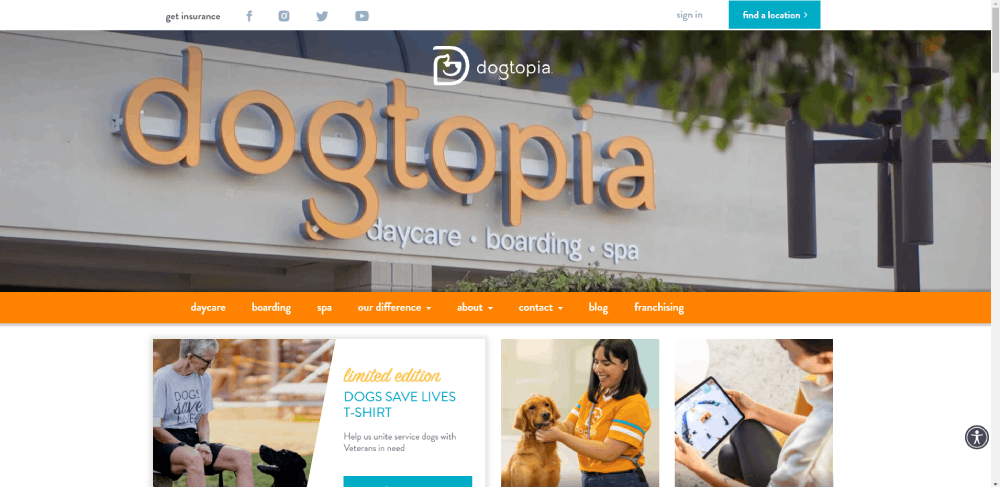
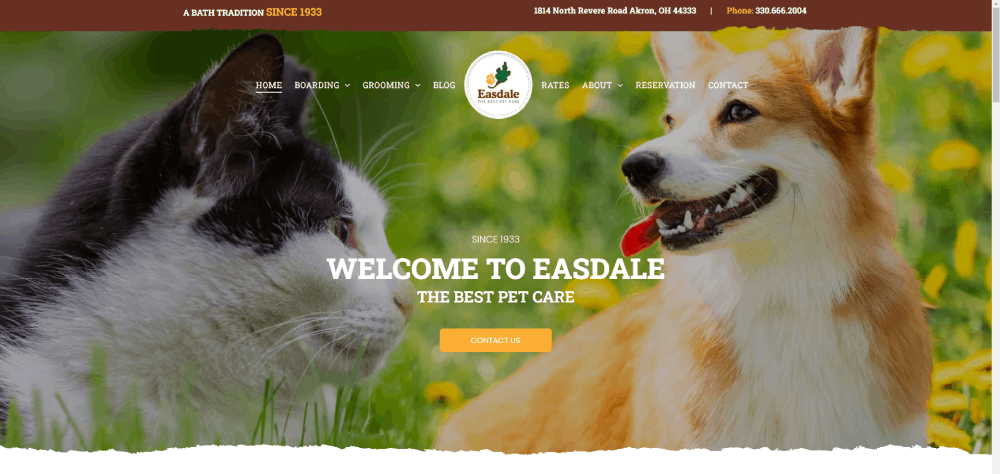
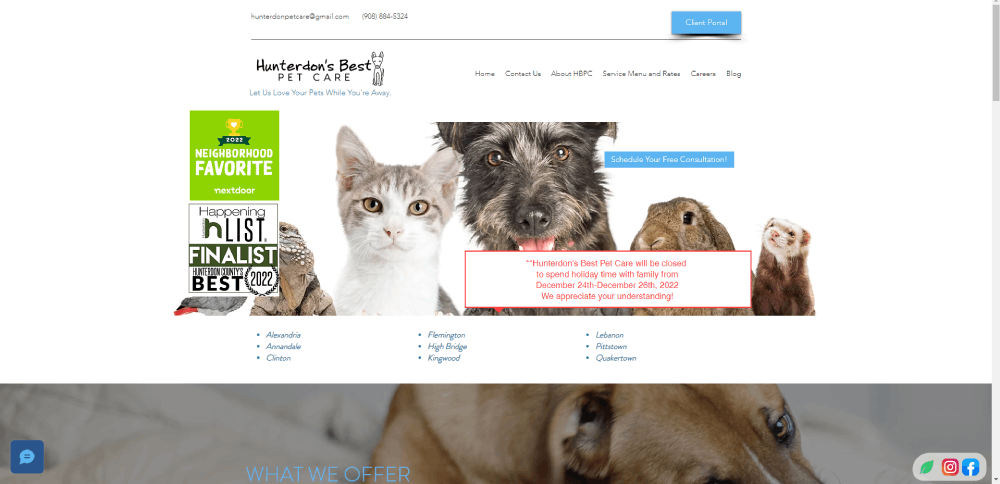
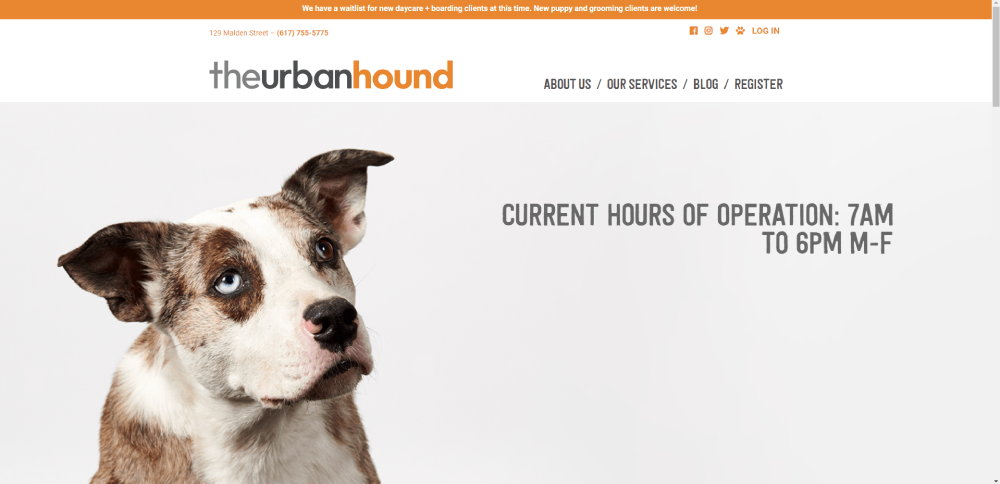

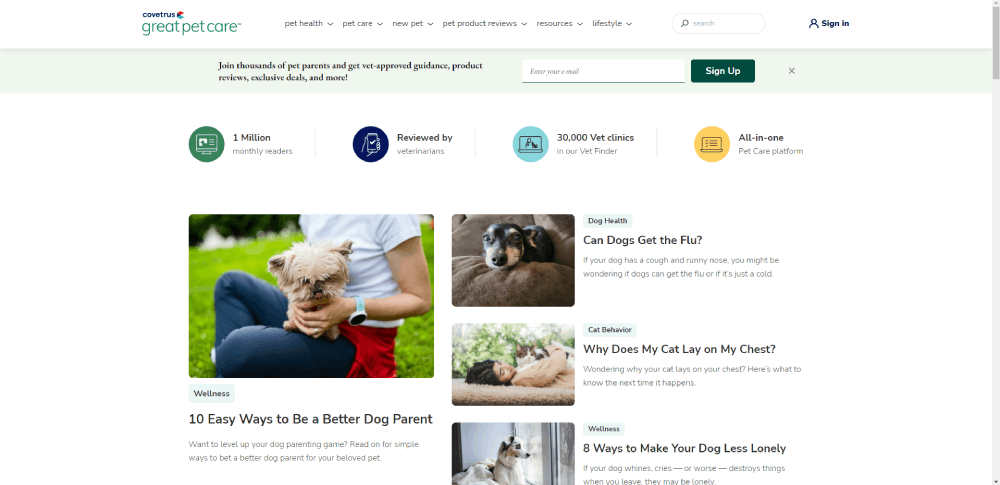
How Does Pet Care Website Design Differ From General Business Websites
Pet businesses need features that most standard business sites skip entirely.
Appointment scheduling sits front and center. Veterinary clinics and grooming salons live and die by their booking calendars.
Emergency contact information requires prominent placement. Pet owners searching at 2 AM for an animal hospital need that phone number visible without scrolling.
Service area maps matter more here than in most industries. Mobile pet groomers, dog walkers, and house-call veterinarians serve specific zip codes.
Pet profile features let returning customers store vaccination records, dietary restrictions, and behavioral notes. Standard B2C websites rarely need this level of customer data management.
Photo galleries carry extra weight. Pet owners want to see clean facilities, happy animals, and real staff members before booking anything.
What Design Features Do Successful Pet Care Websites Share
After reviewing dozens of top performers, patterns emerge.
Common elements across winning sites:
- Sticky header with phone number visible on mobile
- Online booking accessible within two clicks from any page
- High-quality animal photography (not stock images)
- Clear service area definitions with zip code lookup
- Staff bios with credentials and pet photos
- Client reviews integrated throughout, not buried on a single testimonial page
The call to action buttons on successful pet sites use action language. "Book Now" beats "Learn More" every time.
Mobile responsiveness is non-negotiable. Over 60% of pet service searches happen on phones. Sites built with responsive design principles see higher conversion rates.
Which Color Schemes Work Best for Pet Care Websites
Color choices in pet care split along business type lines.
Veterinary clinics lean toward blue and white combinations. These colors signal cleanliness, medical professionalism, and calm. Similar approach to healthcare websites in human medicine.
Pet groomers and boarding facilities use warmer palettes. Oranges, greens, and playful accent colors suggest fun and energy.
Animal shelters often incorporate earth tones. Browns, greens, and soft blues create approachable, trustworthy vibes without looking clinical.
Understanding color theory helps match palette choices to brand positioning.
Specific color applications:
- Emergency vet services: red accents for urgency, blue base for trust
- Luxury pet spas: gold or purple touches with neutral backgrounds
- Budget-friendly clinics: friendly greens and oranges
- Holistic pet care: natural greens with calm color palettes
Avoid pure black backgrounds for pet care. Dark themes work for gaming websites, not animal services.
How Do Pet Care Websites Display Service Information
Service pages make or break pet care websites. Visitors need pricing, availability, and service details without hunting.
Top performers organize services by pet type first, then by service category. Dog grooming, cat boarding, exotic pet care each get dedicated sections.
Effective service page elements:
- Package comparisons in table format
- Starting prices displayed upfront (not hidden behind contact forms)
- Service duration estimates
- What's included vs. add-on options
- Breed-specific pricing notes where applicable
A clean pricing page layout reduces phone calls asking about rates by 40% or more.
Grooming menus work best as visual grids. Boarding packages need comparison tables. Veterinary services benefit from categorized lists with expandable details.
What Types of Images Perform Best on Pet Care Websites
Stock photos kill credibility instantly. Pet owners spot generic golden retriever images from a mile away.
Real facility photos outperform everything else. Show actual treatment rooms, play areas, grooming stations, and kennels.
Staff photos with animals build immediate trust. Include team members holding pets, not stiff headshots against white backgrounds.
Image specifications that work:
- Horizontal orientation for hero banners (1920x1080 minimum)
- Square crops for pet galleries and staff profiles
- Compressed file sizes under 200KB for page speed
- Alt text describing the animal, action, and location
Before-and-after grooming shots convert browsers into bookers. Dog grooming websites using transformation galleries see higher engagement rates.
Sites using illustrations alongside photos can differentiate their brand while maintaining authenticity through real imagery in key sections.
How Do Pet Care Websites Handle Online Booking Systems
The booking flow determines whether visitors become customers or bounce to competitors.
Calendly and Acuity Scheduling handle basic appointment needs. Both integrate with most website platforms and sync with Google Calendar.
Veterinary clinics often need specialized software. Platforms like Vetstoria or PetDesk connect directly with practice management systems.
Booking system must-haves:
- Real-time availability display
- Service selection before time slot picking
- Pet profile creation during first booking
- Automated confirmation emails and SMS reminders
- Deposit collection through Stripe or PayPal integration
Multi-pet households need the option to book multiple animals in one session. Single-pet-only forms frustrate families with several animals.
Mobile booking completion rates drop when forms exceed three steps. Keep it short.
Which Navigation Structures Do Top Pet Care Websites Use
Pet care sites need clear pathways for different visitor types: emergency seekers, service browsers, and existing clients.
Top navigation typically includes: Services, About, Booking, Contact, and Client Portal. Some add Resources or Blog for pet wellness content.
The website menu should surface emergency information without cluttering the main nav. A persistent banner or sticky button works better than burying it in dropdowns.
Footer organization patterns:
- Service categories with direct links
- Location and hours
- Social media links
- Privacy policy and terms
- Accreditation badges (AAHA, Fear Free Certified)
A well-designed website footer catches visitors who scroll past everything else.
How Do Pet Care Websites Build Trust With New Visitors
Pet owners hand over family members. Trust barriers run higher than typical service businesses.
Credentials matter. Display AVMA membership, Fear Free certification, AAHA accreditation, and state licensing prominently.
Staff bios need depth. Include education, years of experience, specialty areas, and personal pets. The "our team loves animals too" angle works when backed by specifics.
Trust signals that convert:
- Google review integration showing recent feedback
- Video facility tours
- Insurance and bonding information
- Clear cancellation and refund policies
- Response time guarantees
Sites with good UX reduce anxiety by answering questions before visitors ask them.
Photo galleries of actual client pets (with permission) outperform any written testimonial.
What Mobile Design Patterns Do Pet Care Websites Follow
Over 65% of pet service searches happen on smartphones. Desktop-first design is a conversion killer.
Click-to-call buttons need thumb-friendly sizing (minimum 44x44 pixels) and fixed positioning on mobile.
Booking forms must work flawlessly on small screens. Date pickers, dropdown menus, and text fields all need mobile optimization.
Mobile-specific requirements:
- Hamburger menu with search function
- Sticky call/book buttons
- Compressed images for faster loading
- Touch-friendly gallery navigation
- Simplified forms (fewer fields than desktop)
Adopting a mobile first design approach means building the phone experience before scaling up to tablet and desktop.
Page speed benchmarks: under 3 seconds on 4G connections. Slower sites lose impatient pet owners to faster competitors.
How Do Pet Care Websites Optimize for Local Search Visibility
Google Business Profile drives more local pet care traffic than any on-site optimization.
Claim and complete your listing with accurate hours, service categories, photos, and review responses. Link it to your website's location page.
Service area pages help multi-location businesses and mobile services. Create unique content for each city or neighborhood served.
Local SEO checklist:
- NAP (name, address, phone) consistent across all directories
- Location-specific schema markup
- Embedded Google Maps on contact page
- Local keywords in title tags and headers
- City-specific landing pages for each service area
Reviews mentioning specific services and locations boost local rankings. Ask satisfied clients to mention what they came in for.
Which Pet Care Website Builders and Platforms Work Best
Platform choice depends on business model and technical comfort level.
WordPress offers maximum flexibility. Thousands of themes, plugins for every function, full ownership of your site. Steeper learning curve than alternatives.
Squarespace delivers polished templates with built-in booking. Good for groomers and small clinics wanting fast setup.
Wix provides drag-and-drop simplicity. Pet-specific templates available. Limited scalability for growing businesses.
Shopify dominates pet product ecommerce. Weaker for service-based businesses without physical inventory.
Platform comparison:
- WordPress: best for large clinics, multi-location businesses
- Squarespace: best for solo groomers, boutique services
- Wix: best for quick launches, limited budgets
- Shopify: best for pet supply stores, product-focused businesses
Check out various website design ideas before committing to a platform.
How Much Does Pet Care Website Design Cost
Costs range from $0 to $50,000+ depending on approach and complexity.
DIY with templates: $100-500/year (hosting, domain, premium theme)
Freelance designer: $1,500-5,000 for custom design on existing platform
Agency build: $5,000-25,000 for full custom development with integrations
Enterprise veterinary systems: $25,000-50,000+ with practice management integration
Ongoing costs to budget:
- Hosting: $10-100/month
- Domain renewal: $15-50/year
- Booking software: $15-50/month
- Email marketing tools: $10-100/month
- Maintenance and updates: $50-500/month
Cheaper isn't always better. Sites built with bad design practices cost more to fix than building correctly from the start.
What Mistakes Do Pet Care Websites Make Most Often
These errors appear constantly across the industry.
Missing or buried contact information. Phone numbers hidden in footers, no click-to-call on mobile, contact forms instead of direct numbers.
Outdated content. Holiday hours from two years ago, staff members who left, discontinued services still listed.
Stock photo overload. Generic pet images signal generic service. Real photos of real animals in your facility convert better.
Common technical failures:
- Slow page load times (uncompressed images, cheap hosting)
- Broken booking calendars
- Non-functional contact forms
- Missing SSL certificates (no HTTPS)
- No mobile optimization
Content mistakes:
- No service pricing visible anywhere
- Vague service descriptions without specifics
- Missing staff credentials and bios
- No client reviews or social proof
- Blog posts that haven't been updated in years
Run your site through Google's PageSpeed Insights and fix anything scoring below 70. Use the website checklist approach to catch issues before launch.
Sites following solid web design principles avoid most of these problems from the start.
FAQ on Pet Care Website Design
What platform works best for building a pet care website?
WordPress offers the most flexibility for veterinary clinics and multi-location businesses. Squarespace suits solo groomers wanting quick setup. Wix works for tight budgets. Shopify dominates pet product ecommerce but lacks service booking features.
How much does pet care website design cost?
DIY templates run $100-500 yearly. Freelance designers charge $1,500-5,000. Agency builds range from $5,000-25,000. Enterprise veterinary systems with practice management integration can exceed $50,000. Budget ongoing costs for hosting, booking software, and maintenance.
What features must every pet care website include?
Online appointment scheduling, mobile-responsive layout, click-to-call buttons, service pricing, staff bios with credentials, and client reviews. Emergency contact information needs prominent placement. Location maps help pet owners find your facility quickly.
How do I add online booking to my pet website?
Calendly and Acuity Scheduling handle basic appointments. Veterinary clinics need specialized platforms like Vetstoria or PetDesk that sync with practice management systems. Integrate Stripe or PayPal for deposit collection during booking.
What colors work best for veterinary clinic websites?
Blue and white signal cleanliness and medical professionalism. Grooming salons use warmer oranges and greens. Animal shelters favor earth tones. Avoid pure black backgrounds. Match your color scheme to your brand positioning and target audience expectations.
How do I make my pet website mobile-friendly?
Build mobile-first, not desktop-first. Use thumb-friendly button sizes (minimum 44x44 pixels). Compress images for faster loading. Simplify booking forms to three steps maximum. Test on actual devices, not just browser simulators.
Do pet care websites need a blog section?
Blogs help with local search visibility and establish expertise. Post pet health tips, grooming guides, and seasonal care advice. Update consistently or skip it entirely. An abandoned blog hurts credibility more than no blog at all.
How do I get my pet business to show up on Google?
Claim your Google Business Profile first. Add accurate hours, service categories, and photos. Build location-specific pages with local keywords. Get client reviews mentioning specific services. Ensure NAP consistency across all online directories.
Should I use stock photos on my pet care website?
Avoid them. Pet owners recognize generic golden retriever images instantly. Use real photos of your facility, staff, and actual client pets (with permission). Before-and-after grooming shots and facility tours build trust that stock images never will.
What makes a pet care website look professional?
Clean website layout, consistent typography, high-quality original photography, visible credentials (AAHA, Fear Free Certified), and fast page speeds. Display staff bios with real expertise. Remove outdated content and broken booking calendars immediately.
Conclusion
These pet care website design examples prove that successful sites share predictable patterns. Clean layouts, prominent booking systems, and authentic photography separate thriving pet businesses from forgettable ones.
Start with platform selection. WordPress handles complex veterinary clinic needs. Squarespace works for smaller grooming operations.
Prioritize mobile optimization and page speed. Pet owners search on phones, often during stressful moments.
Build trust through visible credentials like AVMA membership and Fear Free certification. Add real staff bios, facility photos, and client reviews.
Integrate Google Analytics to track what works. Test your booking flow monthly.
Your website is your digital front door. Make sure it opens smoothly, loads fast, and converts visitors into loyal clients.