

Kindergarten Website Design Examples That Look Good
July 6, 2025
Home Builders Website Design Examples Out There to Inspire You
July 8, 2025Your portfolio images are stunning. But if your website looks outdated, potential clients will book someone else.
A strong makeup artist website design does more than display your work. It builds trust, communicates your style, and makes booking through platforms like Acuity Scheduling or GlossGenius effortless.
Whether you specialize in bridal makeup, editorial looks, or special effects, the right online portfolio turns browsers into paying clients.
This guide breaks down the best makeup artist website design examples across different specializations. You'll see what works, what fails, and how to apply these patterns to your own beauty business website.
Real sites. Practical takeaways. No fluff.
What is Makeup Artist Website Design
Makeup artist website design is a specialized approach to building online portfolios and booking platforms for beauty professionals.
Bridal makeup artists, editorial stylists, special effects artists, and cosmetic consultants all need sites that showcase their work while driving client bookings.
A professional makeup portfolio combines high-quality image galleries, service descriptions, appointment scheduling through tools like GlossGenius or Acuity Scheduling, and clear brand identity.
The goal? Turn website visitors into paying clients. Nothing else matters as much.
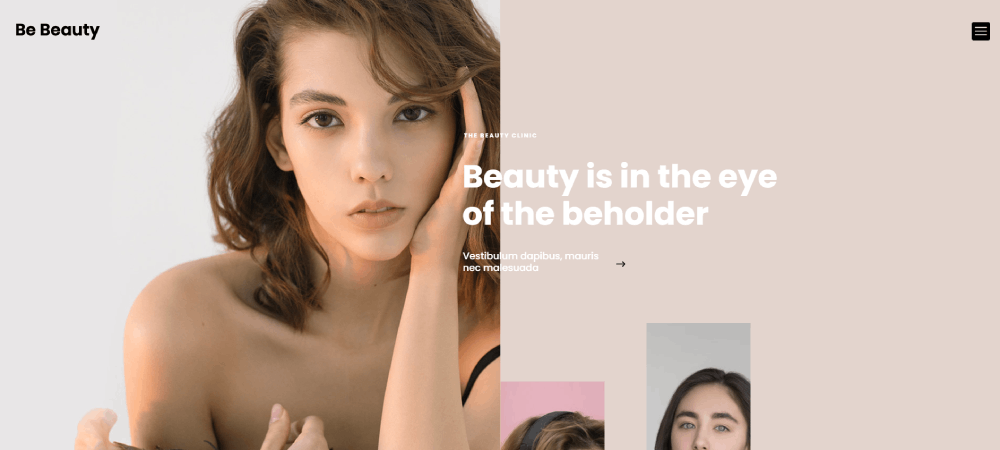
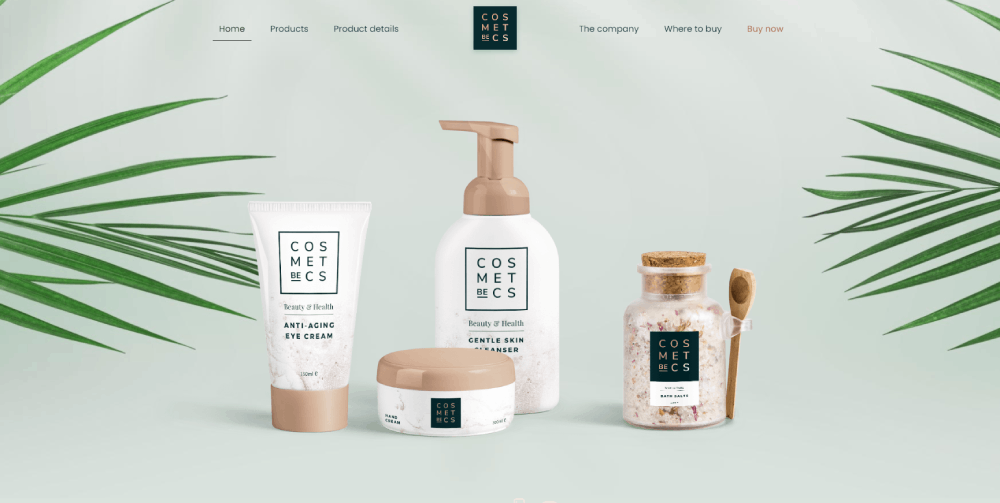
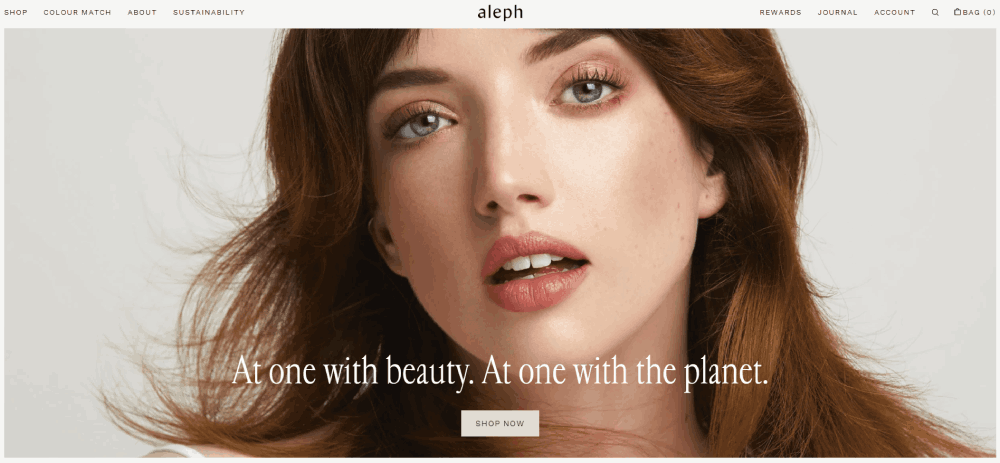
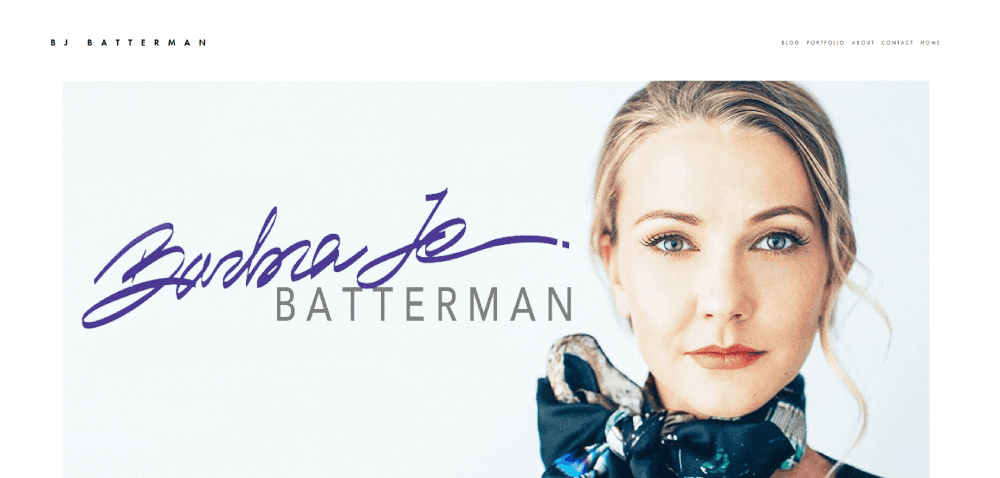
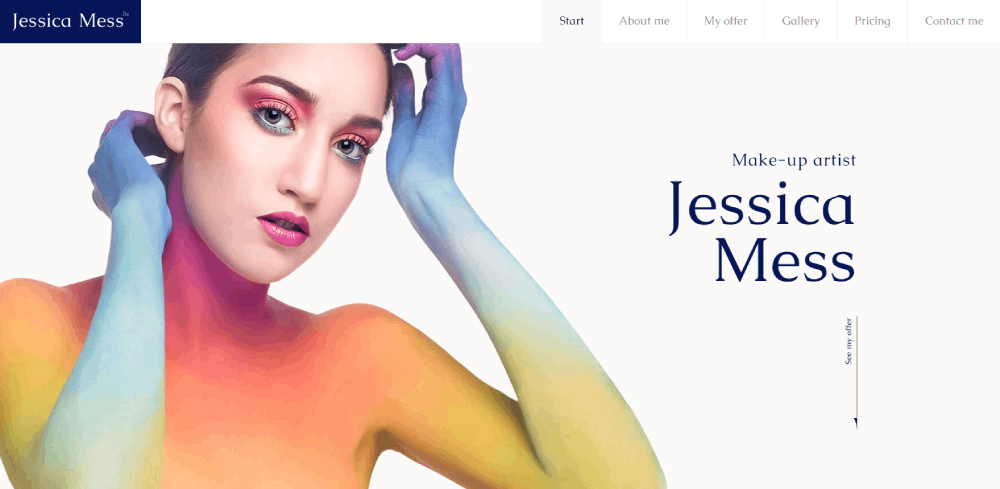
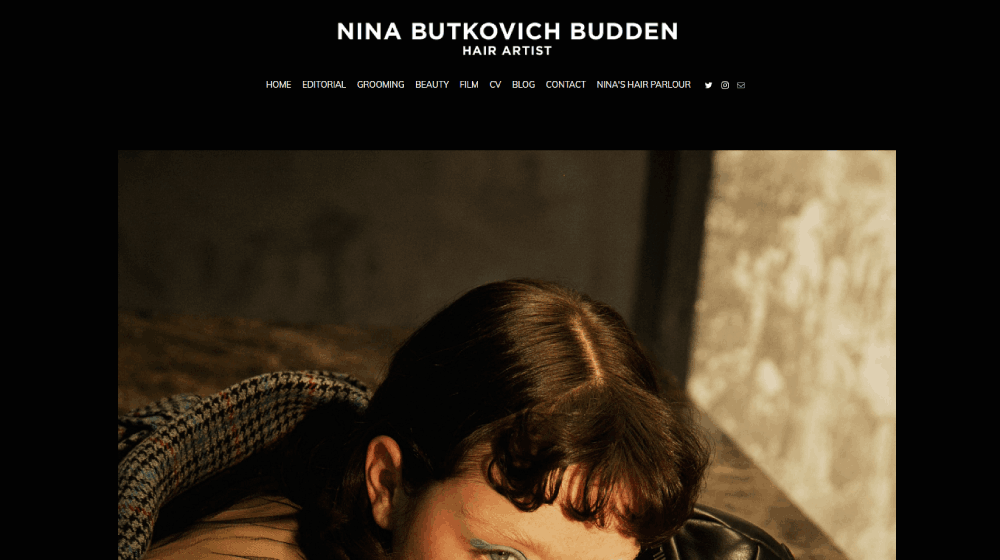
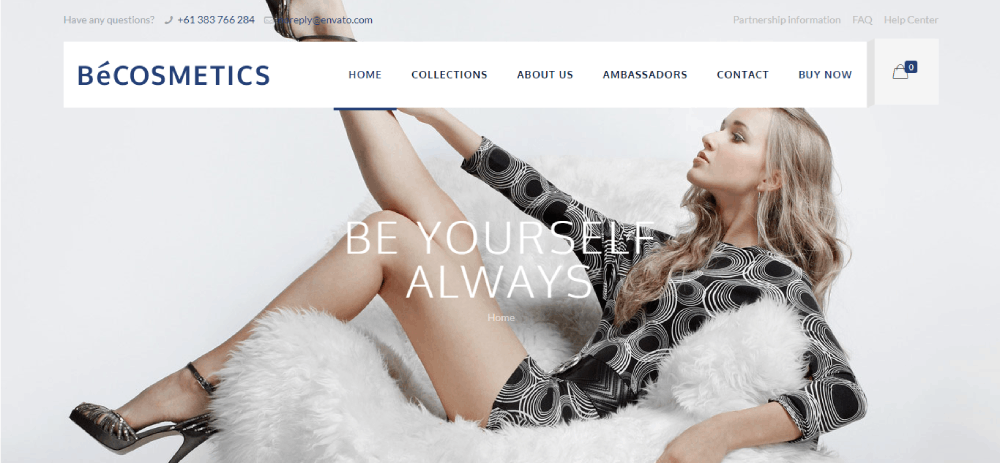
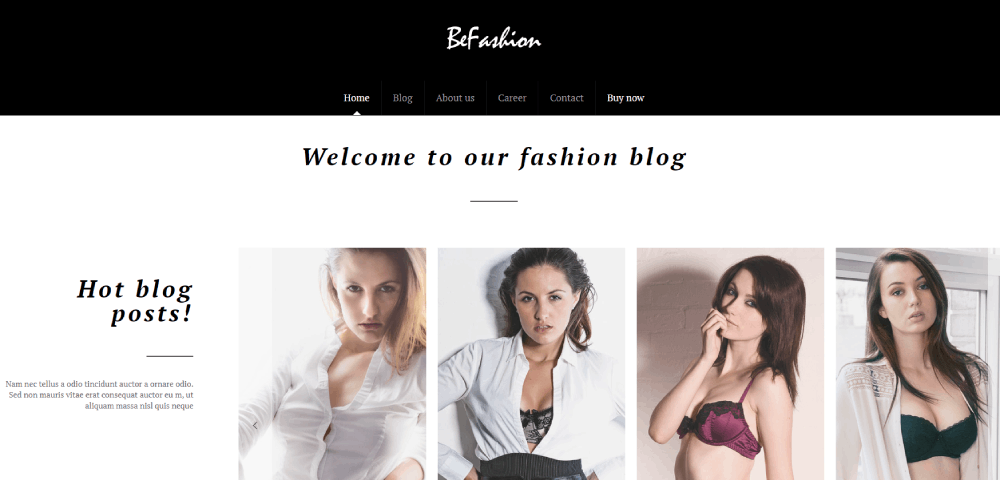
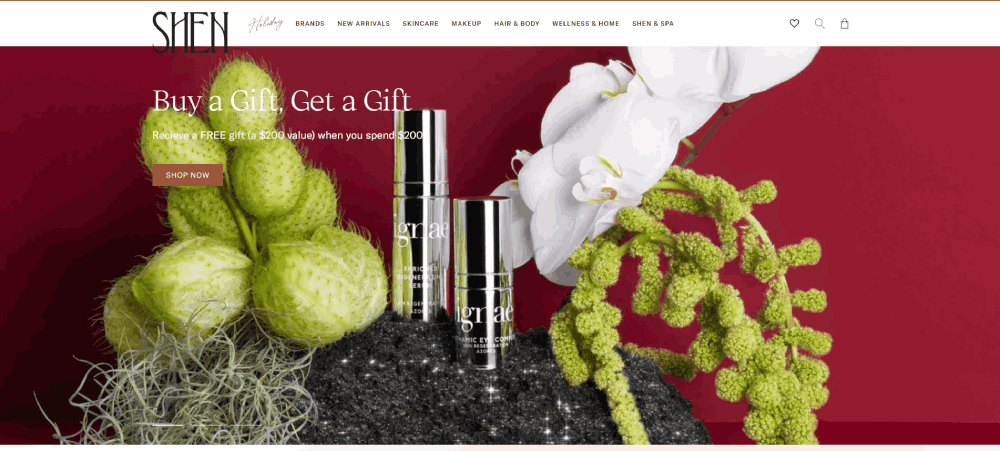
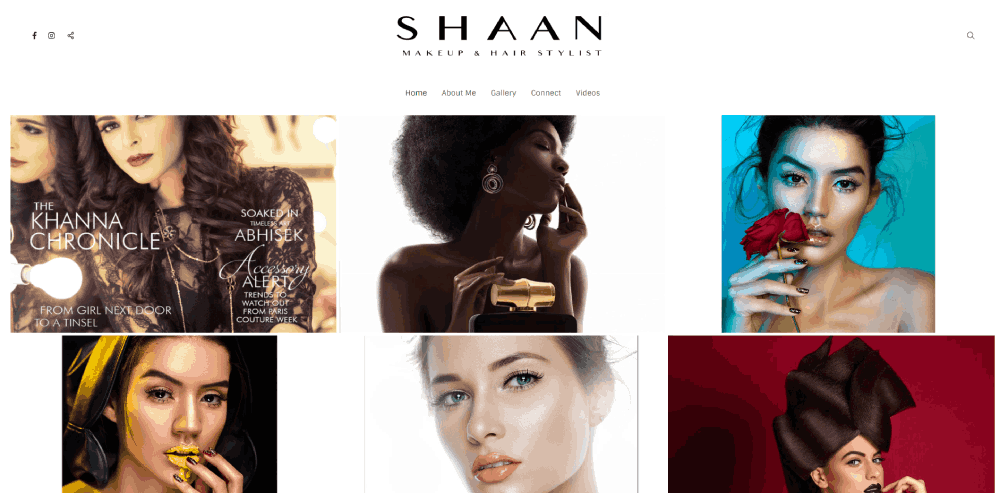
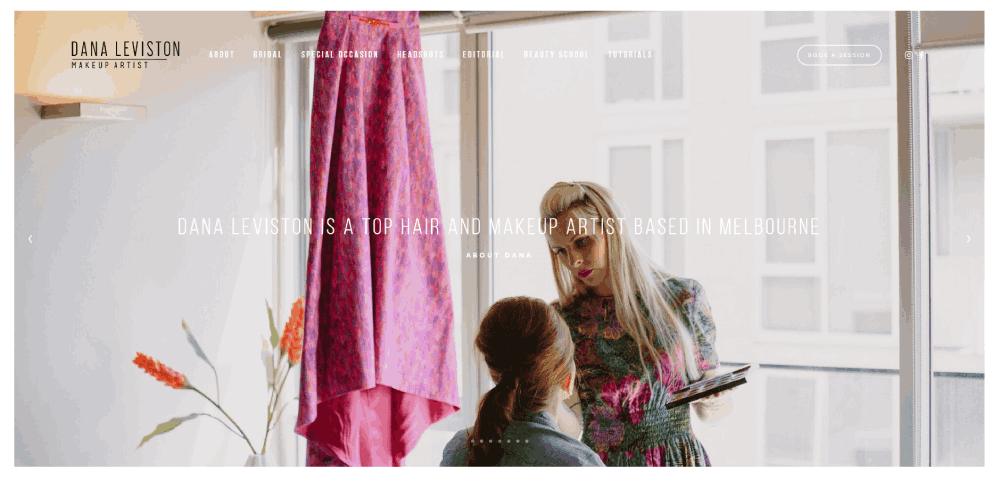
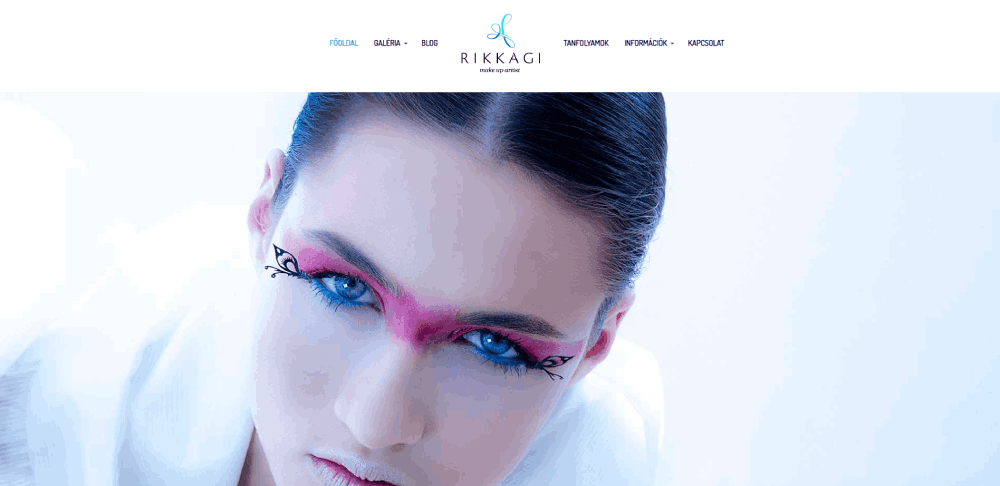
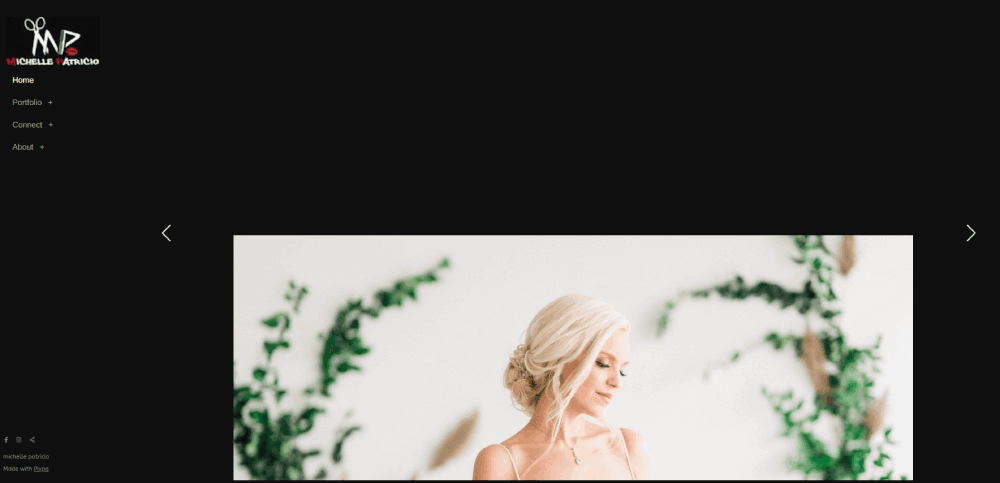
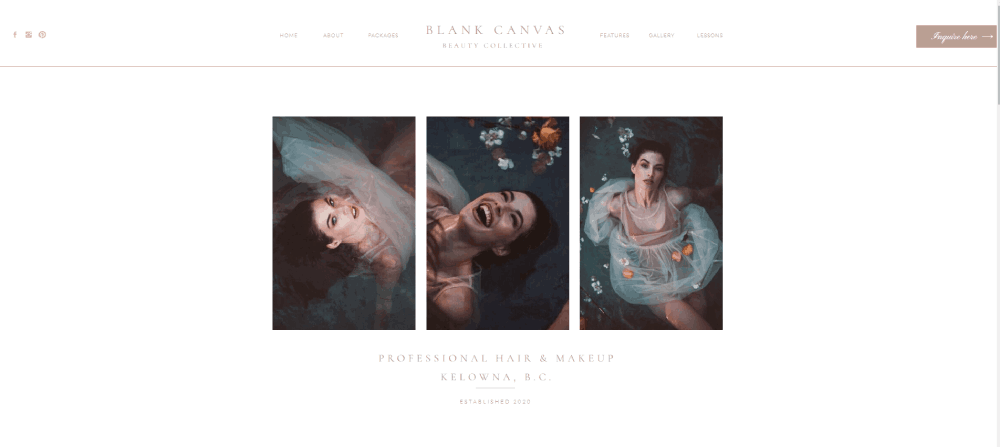
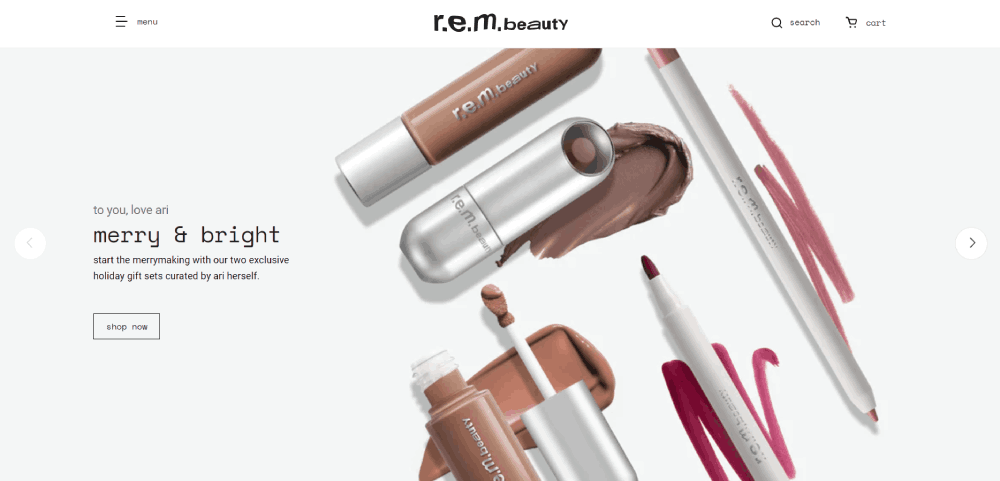
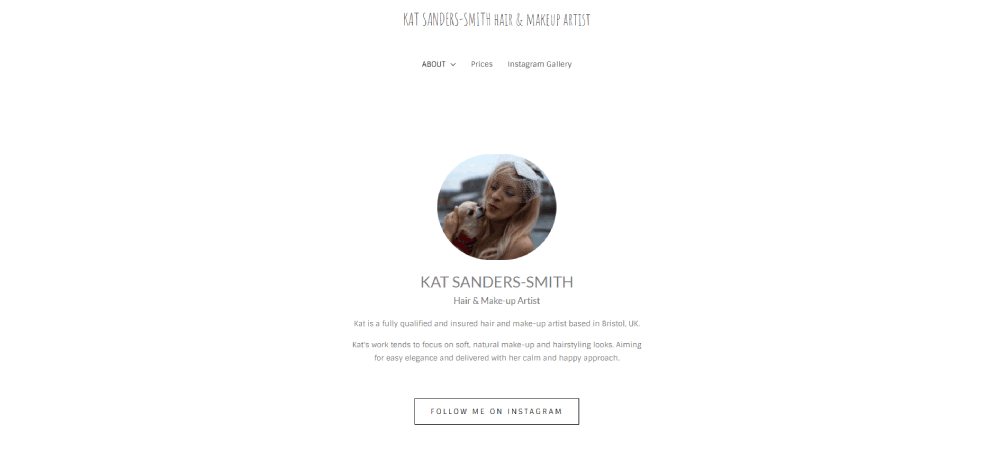
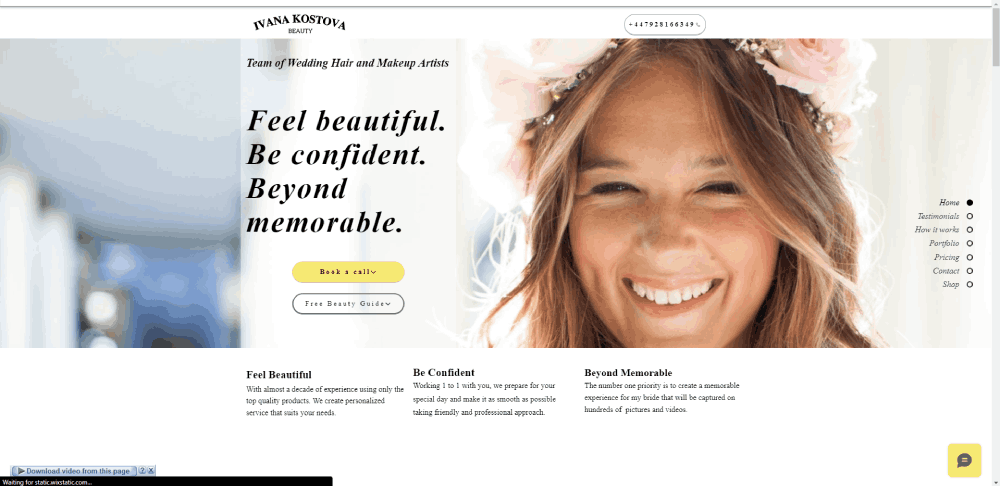
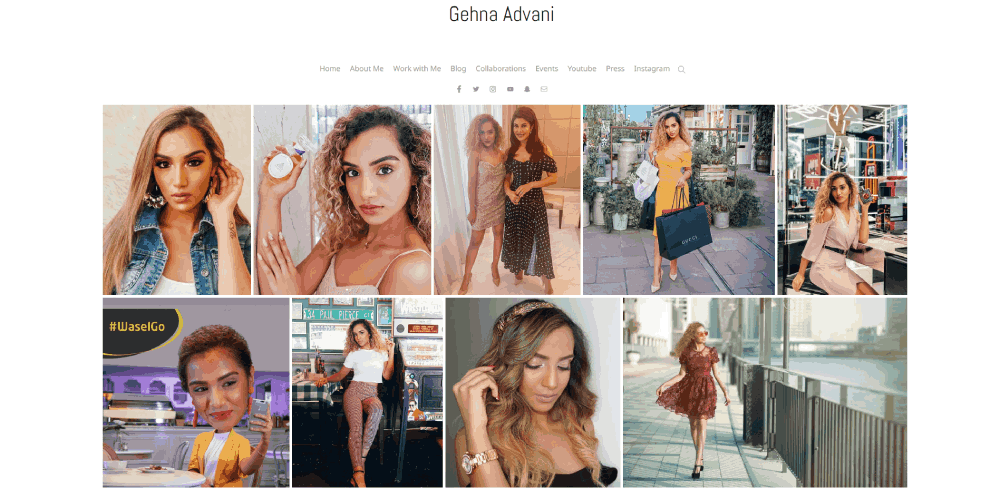
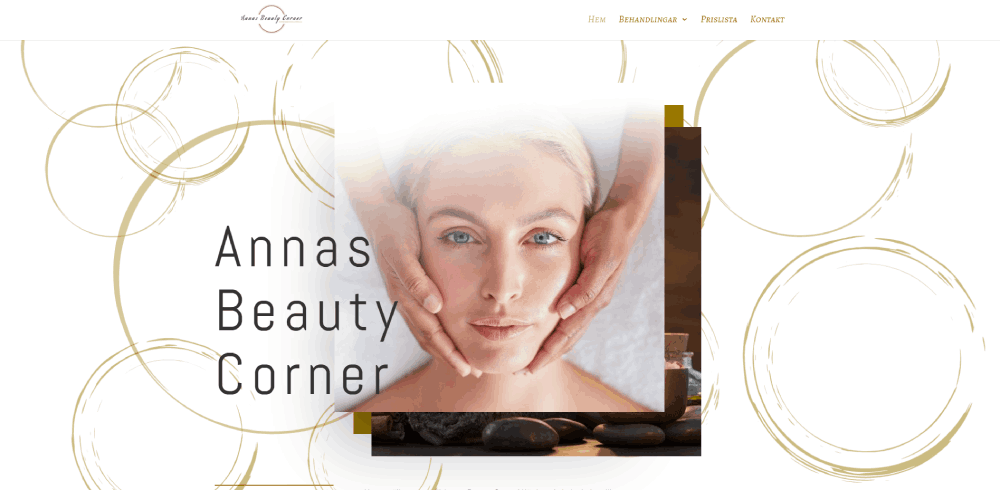
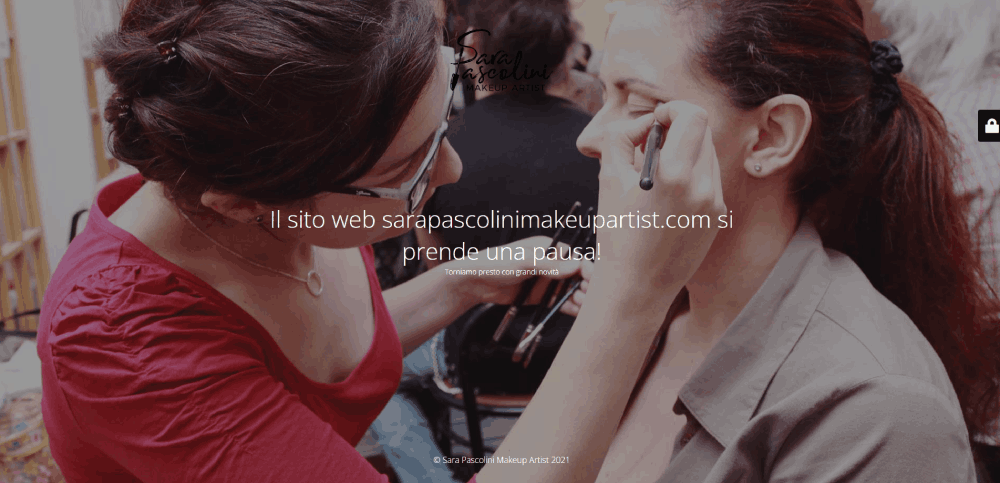
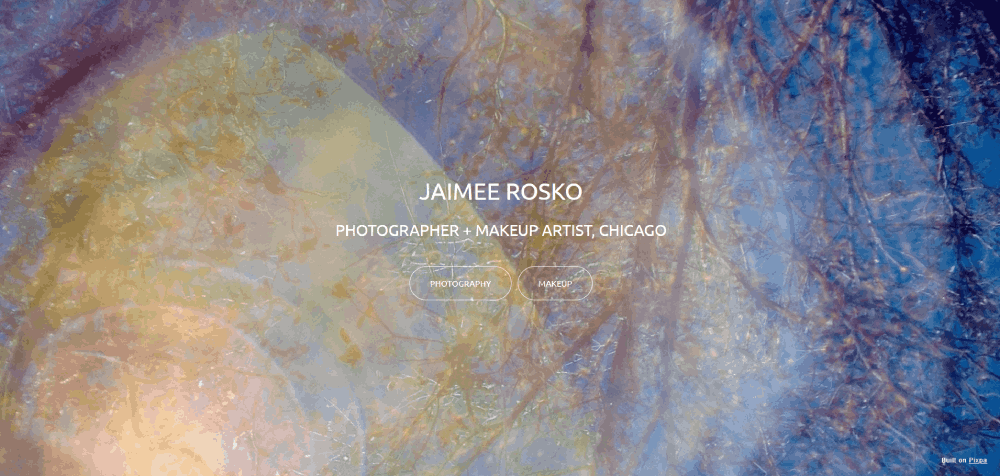
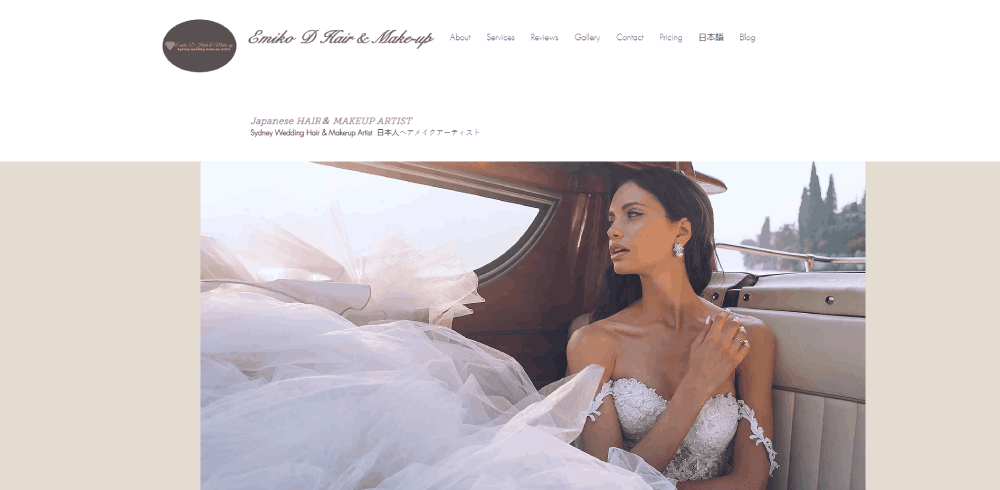
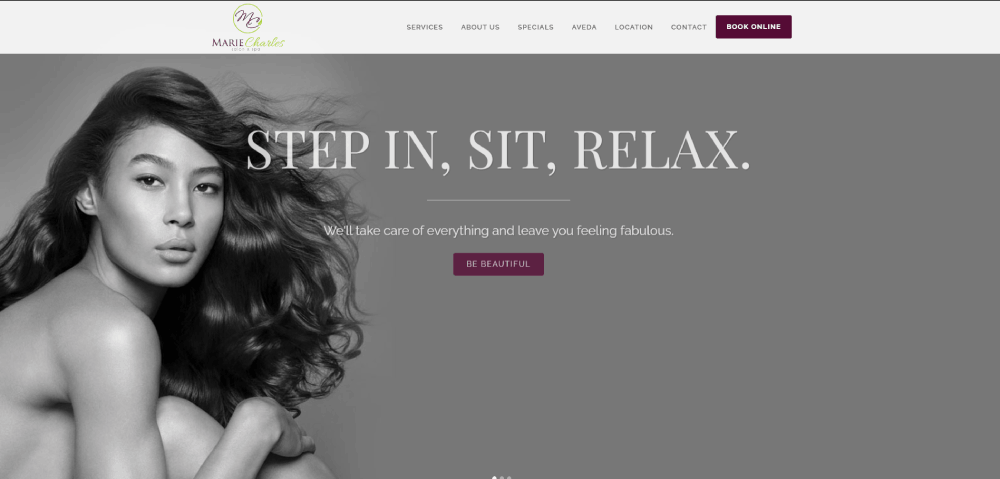
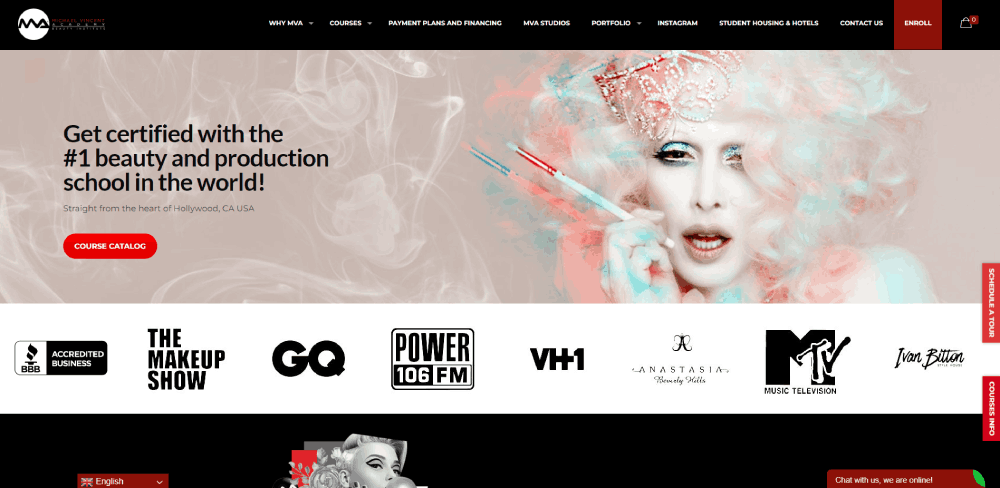
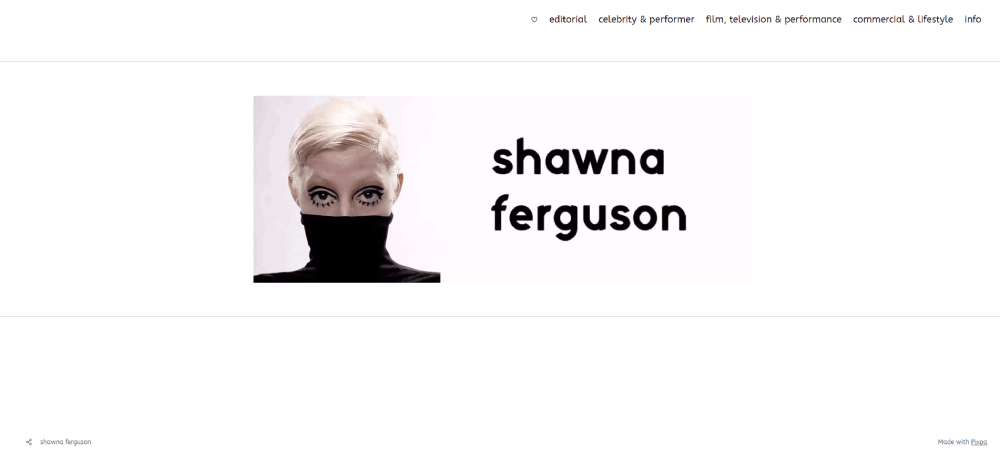
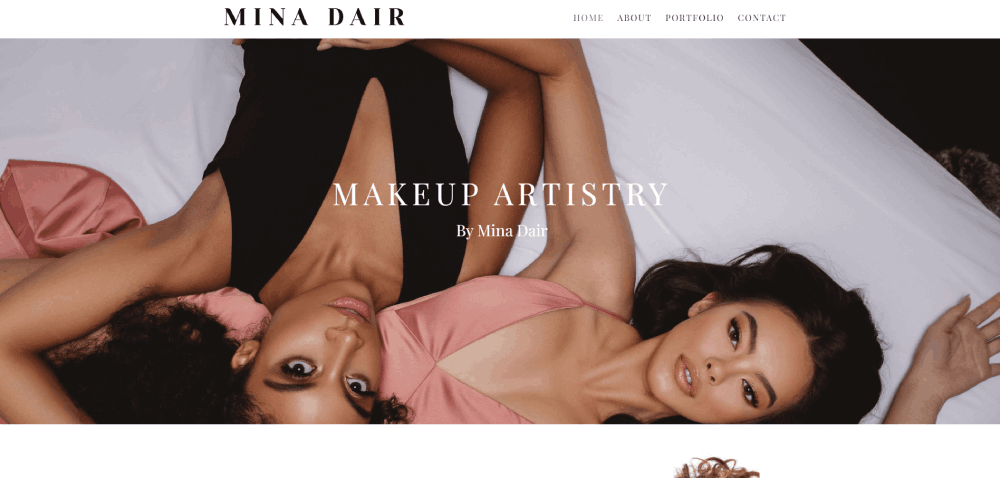
Makeup Website Design Examples
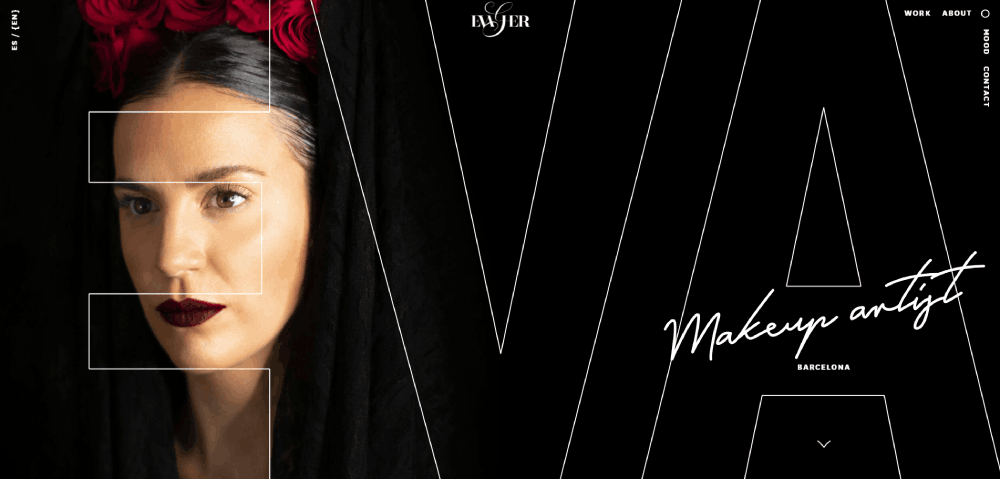
Eva Garcia


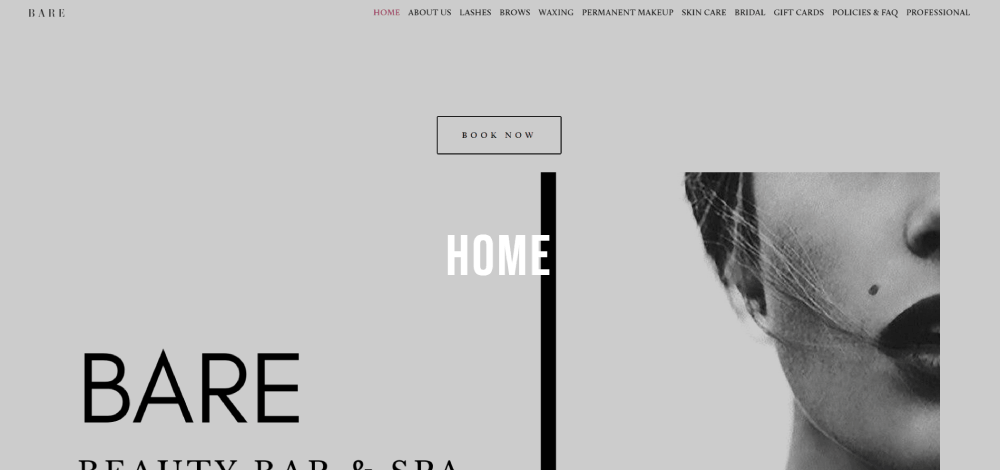
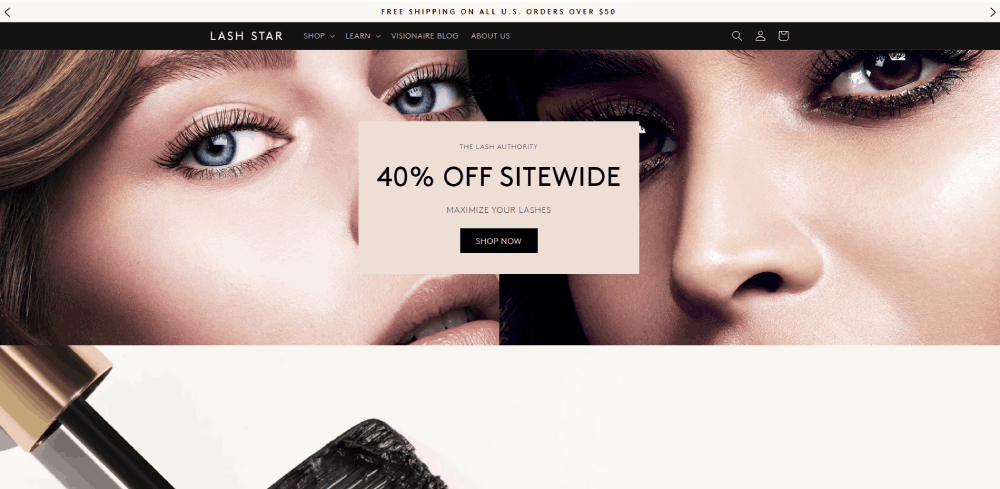
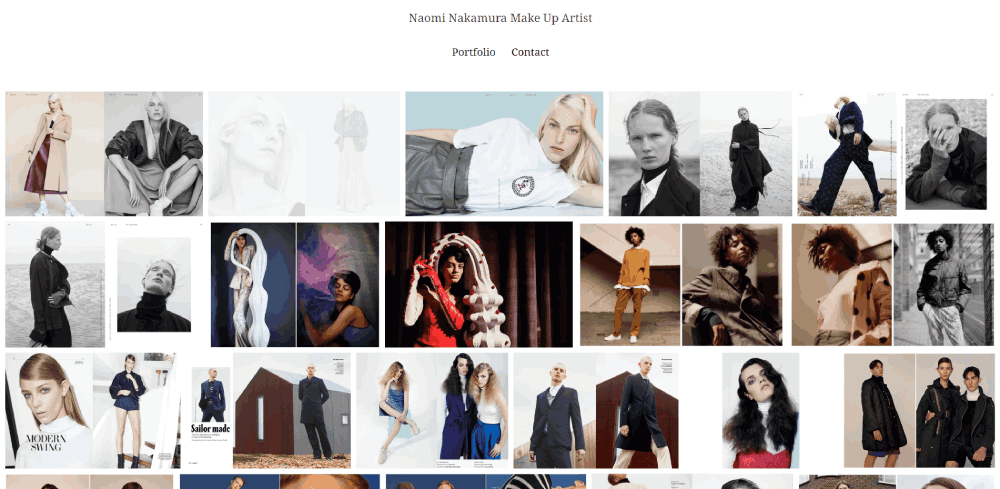
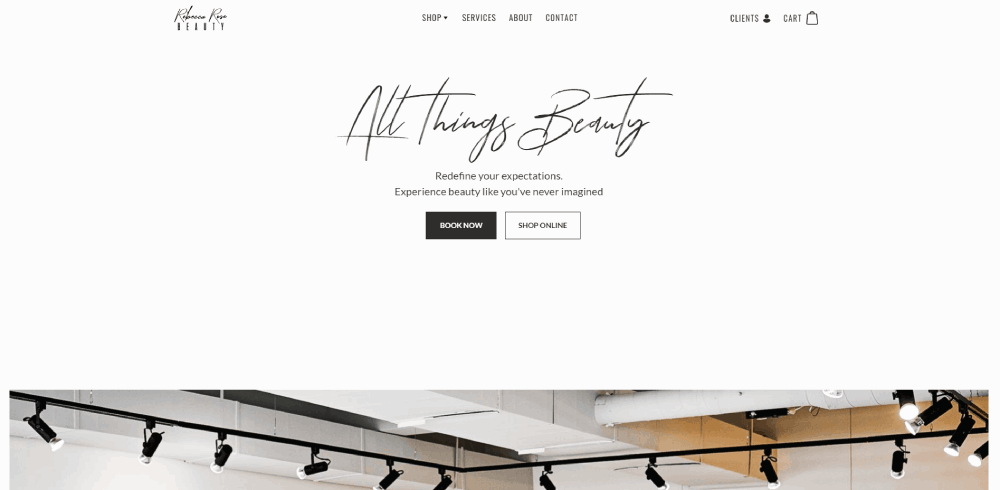
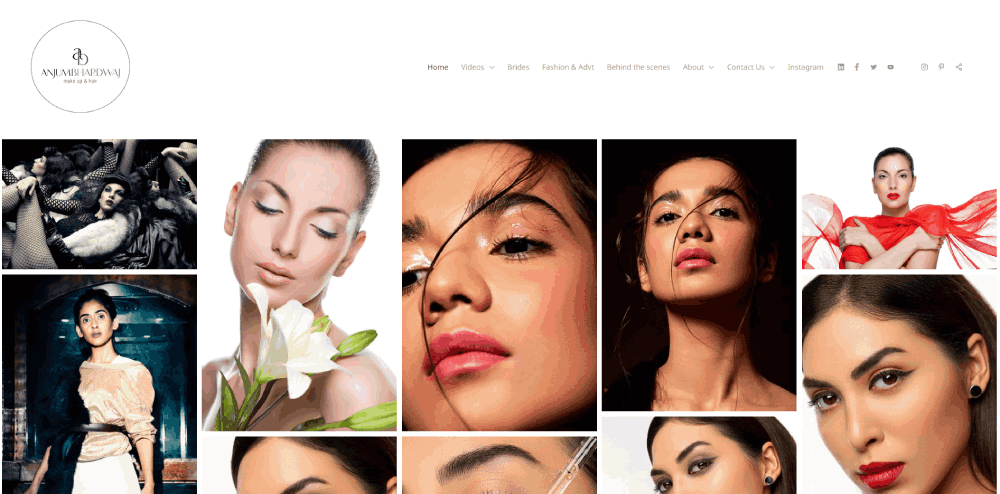
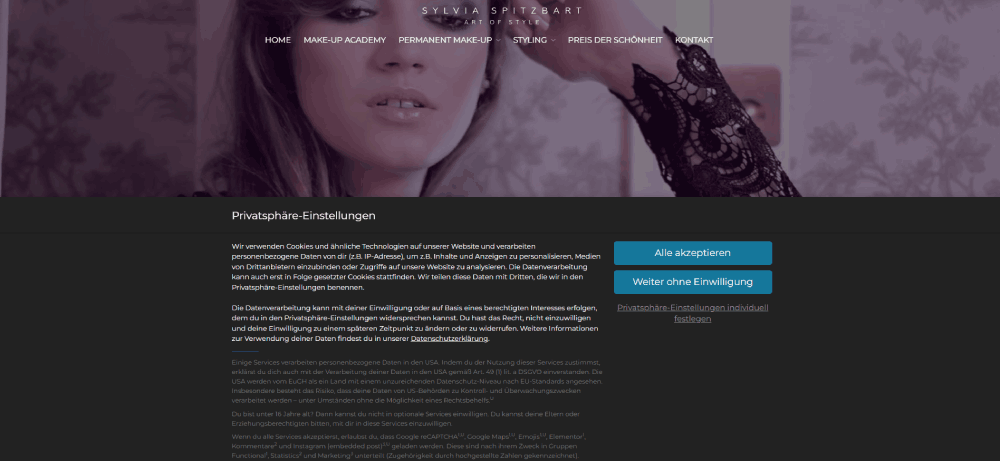
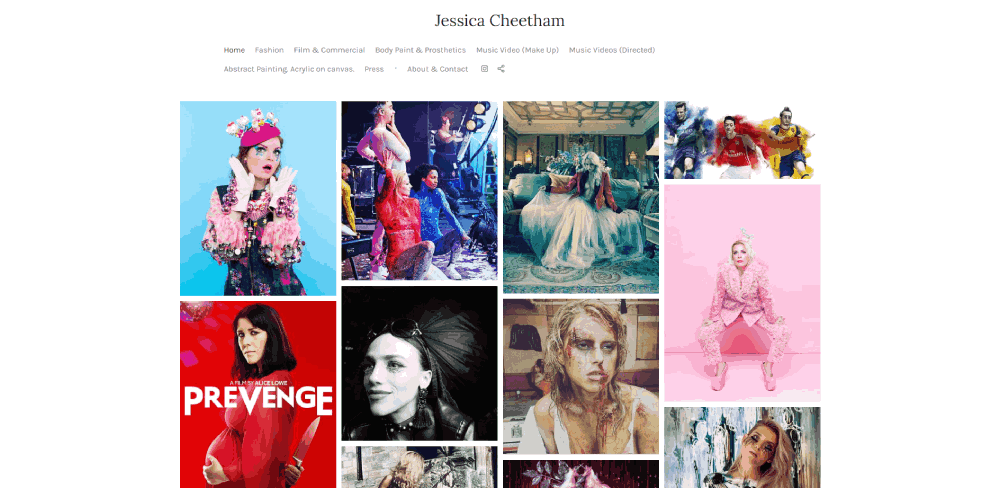
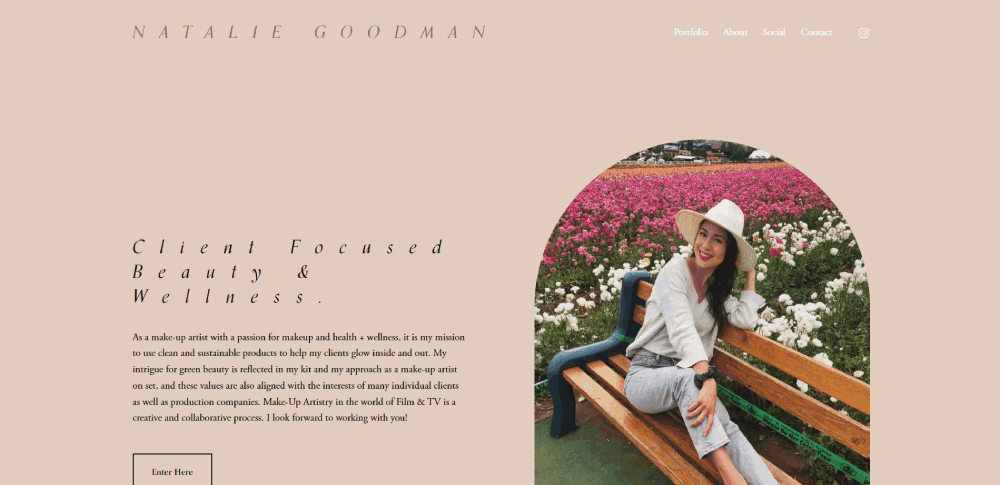
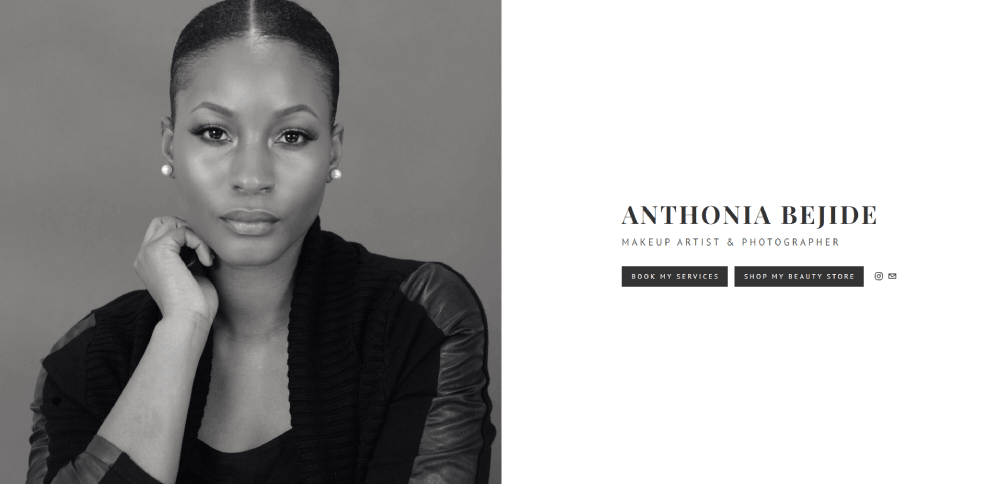
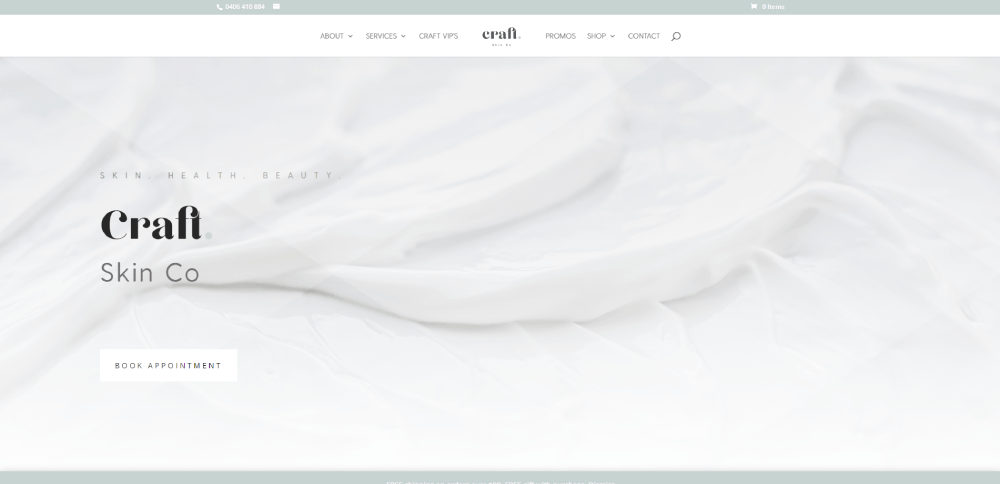
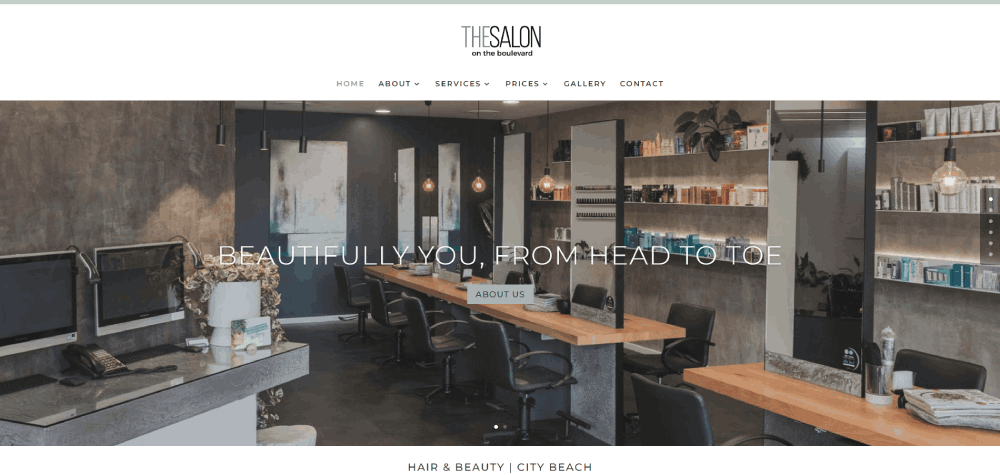
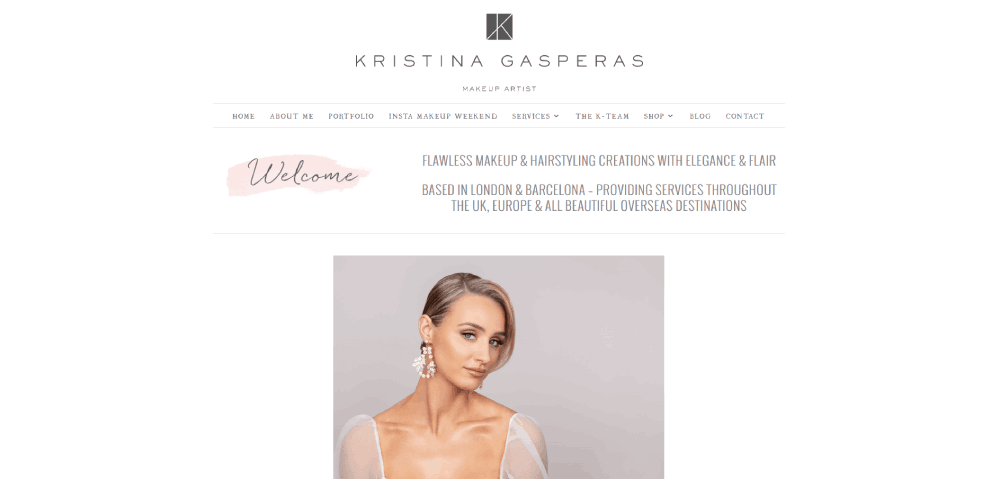
How Does a Professional Makeup Artist Website Differ from Other Portfolio Sites
Beauty industry sites lean heavily on visual impact. Way more than graphic designer portfolio sites or standard service pages.
Before and after photos carry most of the sales weight here. Potential clients want proof, not promises.
Key differences from other creative portfolios:
- Service-based navigation with clear pricing visibility
- Integration with beauty booking platforms (Square Appointments, Calendly, HoneyBook)
- Heavy emphasis on testimonial placement and social proof
- Location-specific content for local search visibility
- Instagram and Pinterest feed integration
The booking flow matters more here than on general artist websites. Clients want to schedule immediately after seeing your work.
What Design Elements Do Successful Makeup Artist Websites Include
What Portfolio Gallery Layouts Work Best for Makeup Artists
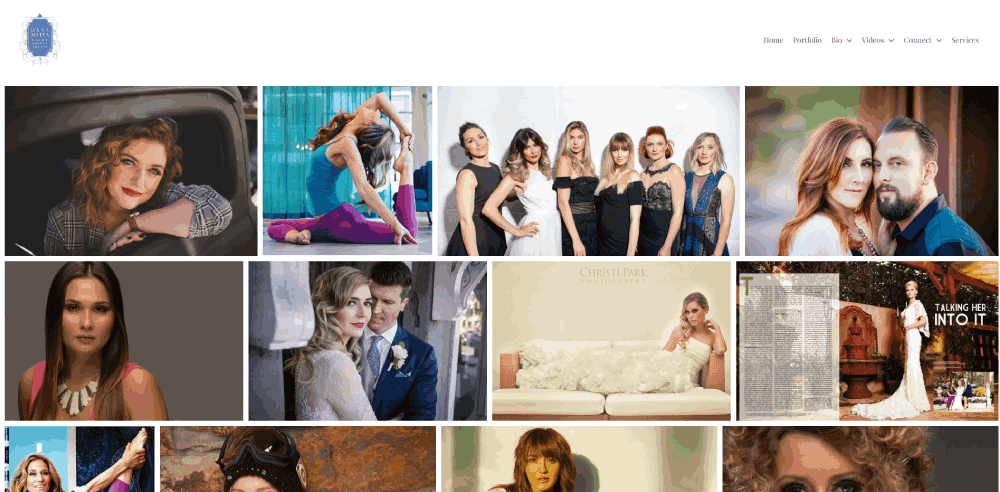
Grid layouts with hover effects work best for showcasing volume. Masonry galleries feel more organic but can look chaotic with inconsistent photo styles.
Before and after sliders convert better than side-by-side static images. People like the interaction.
Categorize by makeup type: bridal, editorial, film, theater, special effects. Makes browsing faster for clients who know exactly what they need.
How Do Navigation Structures Support Client Booking
Simple menu structures win every time. Services, Portfolio, About, Contact, Book Now. That sequence follows the natural decision-making process.
Study effective navigation patterns from high-converting sites. The booking button needs visibility on every page, ideally in the header area.
Clear contact forms with minimal fields convert better. Name, email, event date, service type. Done.
What Color Palettes and Typography Suit Beauty Industry Websites
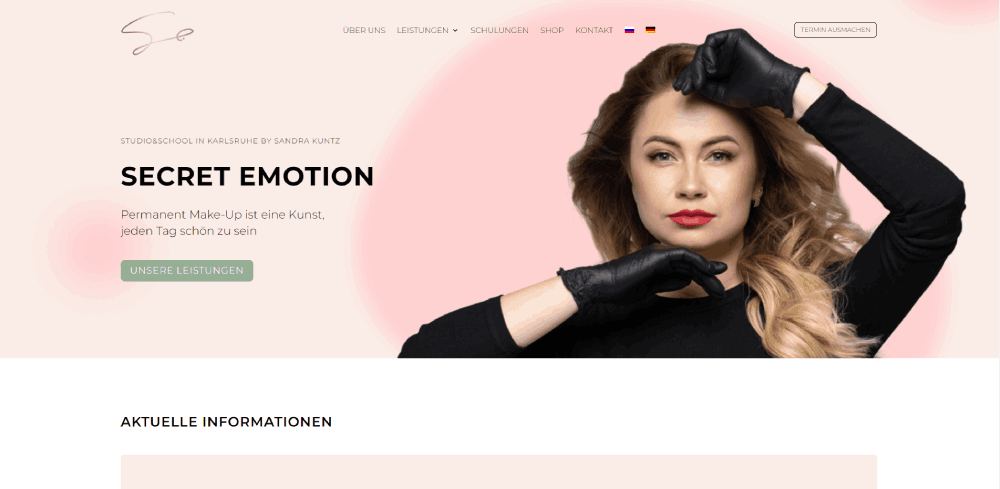
Neutral backgrounds let the portfolio images pop. Most successful beauty sites use white, cream, soft gray, or blush tones.
Understanding color theory principles helps here. A pink palette works for bridal specialists. Black backgrounds suit editorial or fashion-focused artists.
Typography choices signal positioning. Serif fonts for luxury branding. Sans-serif for modern, approachable vibes. Mixed pairings when you want both.
Best Makeup Artist Website Design Examples
How Do Luxury Bridal Makeup Sites Display Portfolio Work
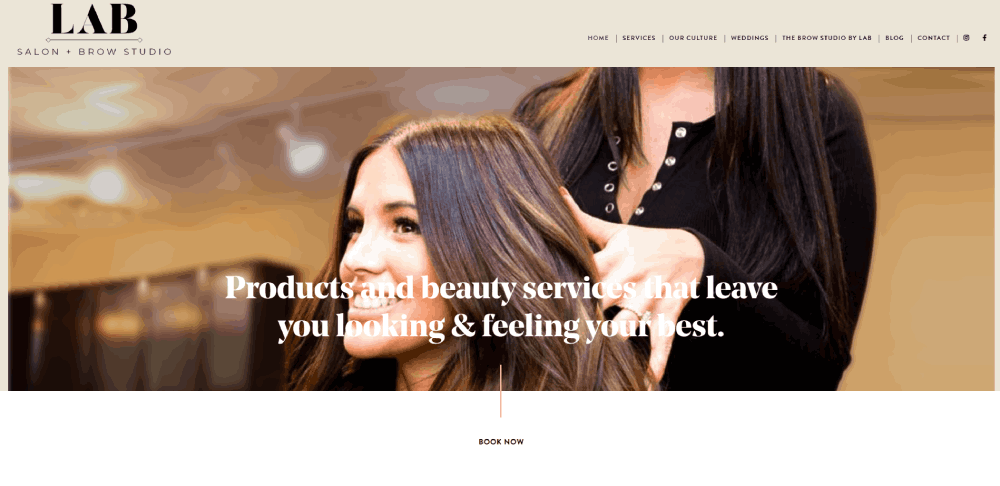
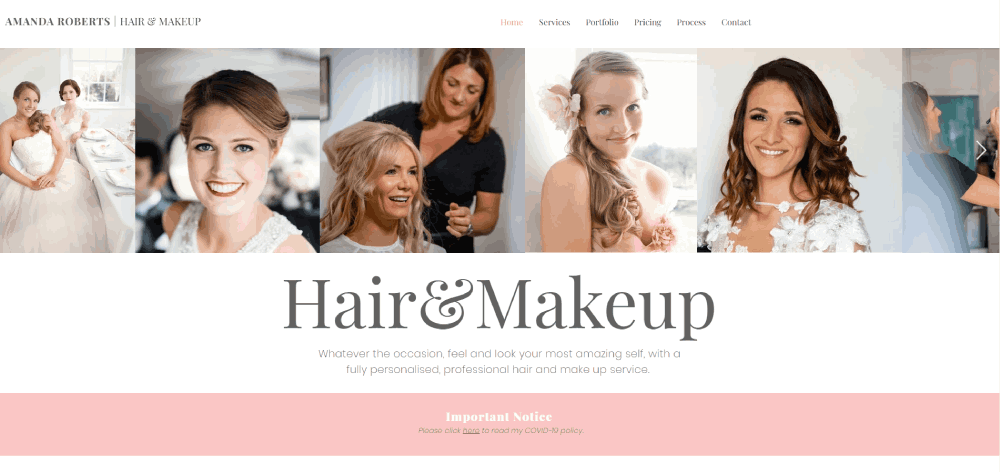
Full-width hero images with soft overlays. Gallery sections organized by venue type or wedding style.
These sites prioritize elegance over flash. Similar approach to wedding photographer sites and wedding planner portfolios.
Booking integrations connect directly to consultation scheduling. Most use Dubsado or 17hats for client management.
How Do Editorial Makeup Artists Present Their Work Online
Bold layouts, high contrast, often dark themed designs. Publication logos displayed prominently (Vogue, Harper's Bazaar, Elle).
These portfolios function more like visual resumes than service sites. The work speaks; the design stays out of the way.
Model collaboration credits and photographer partnerships get prominent placement.
How Do Special Effects Artists Showcase Transformation Work
Video content takes priority here. Before and after sliders show dramatic transformations.
Film and theater credits listed with production details. Behind-the-scenes content builds credibility.
Darker color schemes work naturally for horror, fantasy, or theatrical specializations. Clean layouts for medical simulation or prosthetics work.
How Do Mobile Makeup Services Optimize for Local Clients
Location pages targeting specific service areas. "Bridal Makeup Artist Los Angeles" type content throughout.
Google Maps integration showing travel radius. Clear pricing for travel fees.
Review integration from Google Business Profile and Yelp pulls in local social proof automatically.
How Do Celebrity Makeup Artists Build Authority Through Design
Client logos and celebrity photo permissions (when available) displayed above the fold. Press mentions with publication dates.
These sites often resemble luxury brand websites more than typical portfolios. Minimal text, maximum visual impact.
Strategic white space creates a gallery-like feel throughout.
What Criteria Define a High-Quality Makeup Artist Website
Judging these sites comes down to measurable factors:
- Visual Impact - Do the portfolio images grab attention within 3 seconds?
- Usability - Can visitors find services and book within 2 clicks?
- Mobile Performance - Over 70% of beauty bookings happen on phones
- Load Speed - Image-heavy sites need compression and lazy loading
- Brand Consistency - Colors, fonts, and tone match across all pages
- Booking Functionality - Integration with scheduling tools that actually work
- Social Proof - Client testimonials and reviews placed strategically
Sites with strong user experience convert better regardless of how pretty they look. Function beats aesthetics when bookings are the goal.
A clear pricing structure reduces inquiry friction. Some artists prefer hiding rates to qualify leads. Your call, but transparency usually wins.
FAQ on Makeup Artist Website Design
What Platform Works Best for Building a Makeup Artist Website?
Squarespace and Showit lead for beauty portfolios due to their visual templates. WordPress with Elementor offers more customization.
Wix works for beginners. Choose based on your technical comfort and need for booking integrations like Calendly or HoneyBook.
How Much Does a Professional Makeup Artist Website Cost?
DIY templates run $12-50 monthly. Custom designs from freelancers cost $1,500-5,000.
Agency builds start at $5,000+. Factor in domain registration, hosting, and scheduling software fees when budgeting your beauty business website.
What Pages Should Every Makeup Artist Website Include?
Five core pages: Home with a strong hero section, Services with pricing, Portfolio gallery, About with credentials, and Contact with booking.
Add a blog section if you plan to share beauty tips consistently.
How Do I Display My Makeup Portfolio Effectively?
Use high-resolution before and after images. Organize by category: bridal, editorial, special effects.
Grid layouts with hover effects work well. Include lighting details and products used to demonstrate expertise in your professional makeup portfolio.
Should I Show Pricing on My Makeup Artist Website?
Transparency builds trust and filters unqualified leads. Display starting rates or package tiers.
Some artists prefer "starting at" pricing to allow flexibility. Either way, give visitors enough information to self-qualify before contacting you.
How Do I Add Online Booking to My Site?
Integrate tools like GlossGenius, Acuity Scheduling, or Square Appointments. Most embed directly into your site.
Place booking buttons in the header, after portfolio sections, and on service pages. Include a clear call to action button on every page.
What Colors Work Best for Beauty Industry Websites?
Neutral backgrounds (white, cream, soft gray) let portfolio images stand out. A luxury color palette suits high-end bridal work.
Match your color scheme to your brand positioning. Soft pink for romantic. Black for editorial edge.
How Important is Mobile Design for Makeup Artists?
Critical. Over 70% of beauty service searches happen on phones.
Use responsive design that adapts galleries and booking forms to smaller screens. Test your site on multiple devices before launching.
Should I Include a Blog on My Makeup Artist Website?
Only if you'll update it regularly. Stale blogs hurt credibility.
Beauty tips, product reviews, and behind-the-scenes content attract organic traffic. But a strong portfolio and clear services matter more than blogging for most artists.
How Do I Get More Clients Through My Website?
Optimize for local search terms like "bridal makeup artist [city]." Collect and display client testimonials prominently.
Connect your Instagram feed. Make booking frictionless. A user friendly website converts better than a flashy one.
Conclusion
These makeup artist website design examples show what separates sites that book clients from those that collect dust.
The patterns are clear. Strong portfolio galleries with before after photos. Simple navigation leading to booking. Mobile responsive layouts that work on any device.
Your beauty portfolio website needs the right foundation. Pick a platform like Squarespace, WordPress, or Showit that matches your skill level.
Integrate scheduling tools. Display client testimonials. Keep your service pricing table visible.
The best cosmetic artist sites balance visual impact with conversion-focused design. They look stunning on Behance and Pinterest, but they also fill appointment calendars.
Start with the examples that match your specialization. Then make it yours.