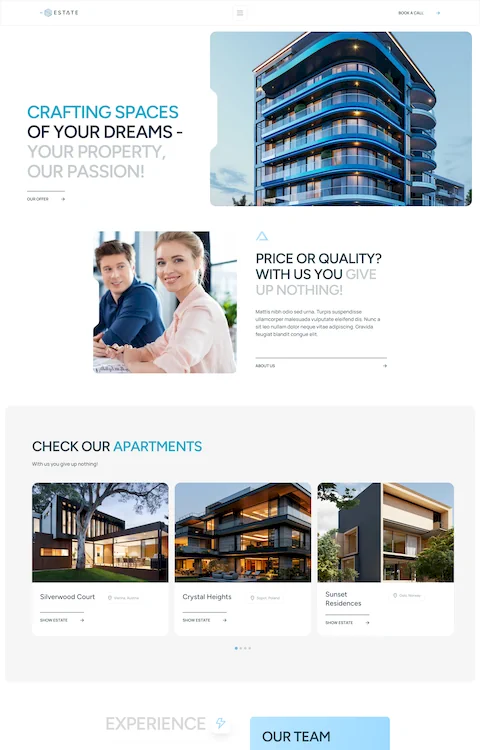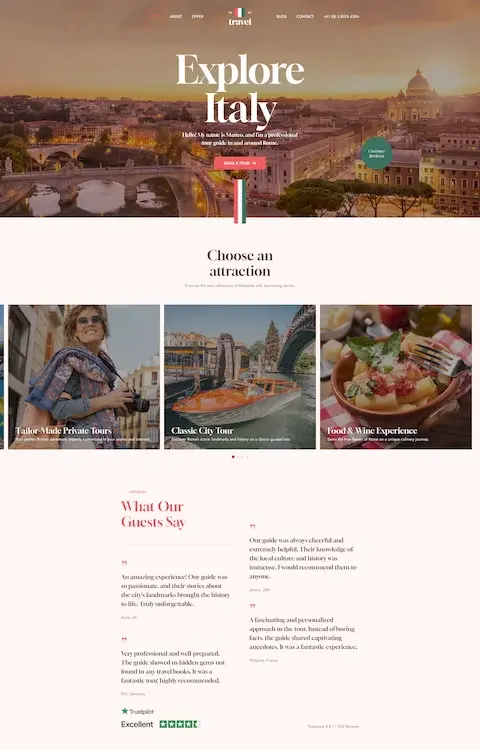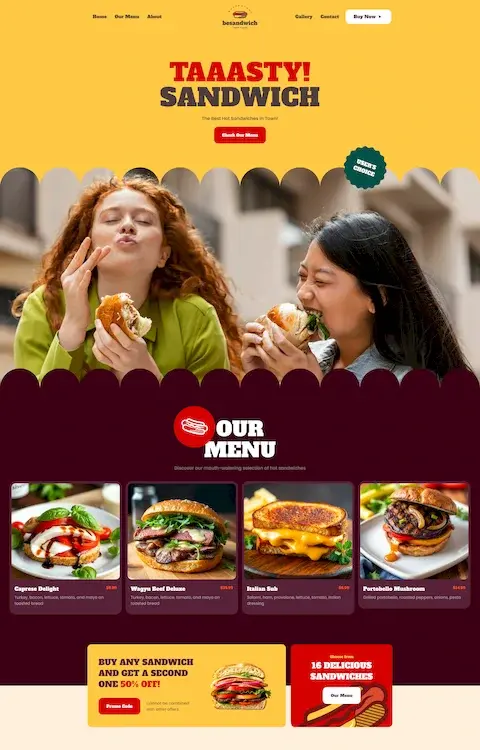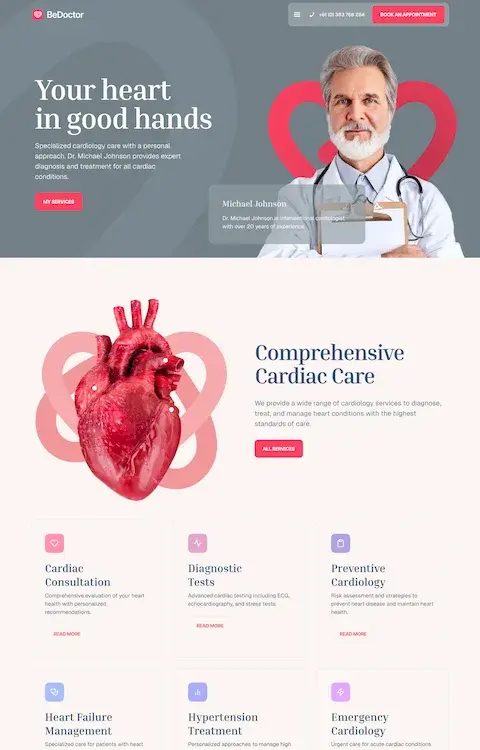


Cool Websites with a Pink Color Palette (51 Examples)
April 20, 2026
Top Ecommerce Landing Page Design Examples That Convert
April 23, 2026Quick Decision Guide
✅ Choose Custom If…
- You run an established business that needs a unique, conversion-focused brand presence.
- Long-term scalability and performance are strategic priorities.
- You have the budget and time for a full design and development process.
✅ Choose Template If…
- You’re a startup or small business testing an idea quickly.
- Budget is limited and speed to launch is your top priority.
- Your website needs are standard (blog, portfolio, simple shop).
- You want to be live within days, not weeks.
Website templates vs. custom design
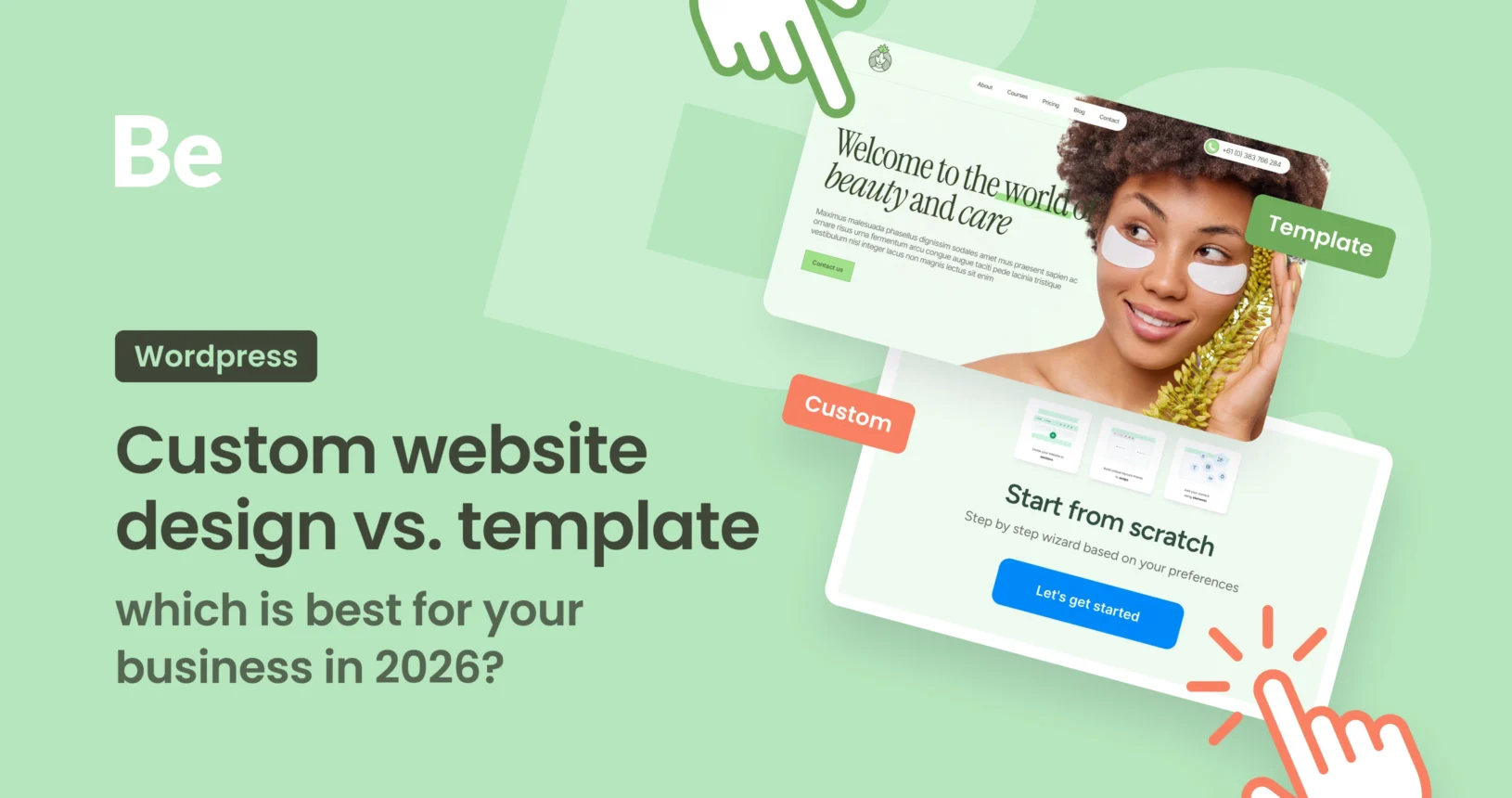
When it’s time to build a website, one of the first questions is: custom website design vs. template — which one should I choose? The answer depends on your business stage, available budget, and long-term goals. Both approaches are valid, but they serve entirely different scenarios.
A template is a pre-made design that you install in minutes and fill with your own content. Ready-to-use WordPress themes offer dozens or hundreds of layouts for various industries — from restaurants to designer portfolios. They are affordable, easy to use, and allow you to launch without technical expertise.
Custom website design is a project built from scratch — tailored to a specific business, its target audience, and conversion goals. It starts with a brand audit and UX research, moves through design in Figma, and ends with custom coding and implementation. The timeline is longer and the cost is higher, but the result is a website that no one else owns.
In 2026, this decision has an added dimension: AI-powered search engine algorithms are increasingly rewarding technical performance, code clarity, and unique content.
What is better for small business: custom website vs. template
For small businesses and startups, the answer is often simple: a template is a sensible starting point. The cost of professional custom design can range from several to tens of thousands of dollars, and speed to market is often more important than perfection. A ready-made theme allows you to validate a business idea without a huge investment — and as the business grows, you can transition to a custom solution.
However, even at the small business level, context matters. If your company operates in a highly competitive industry and your website is your primary lead generation tool — such as a law firm, marketing agency, or boutique e-commerce shop — a template might not be enough. Customers make purchasing decisions in seconds, and that first visual impression is critical.
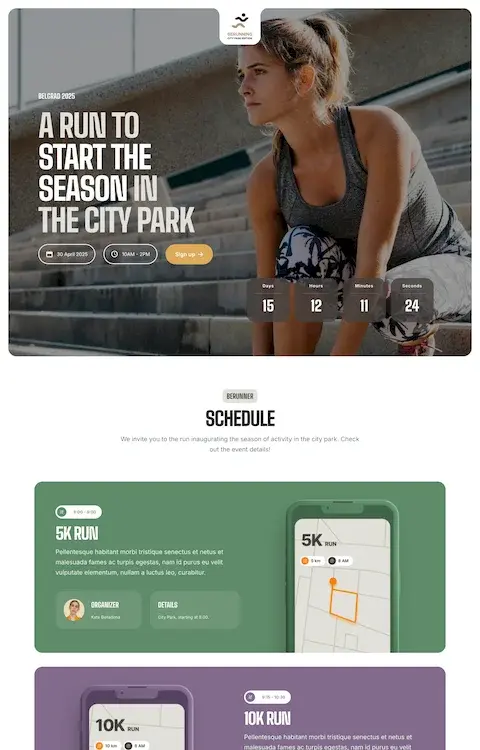
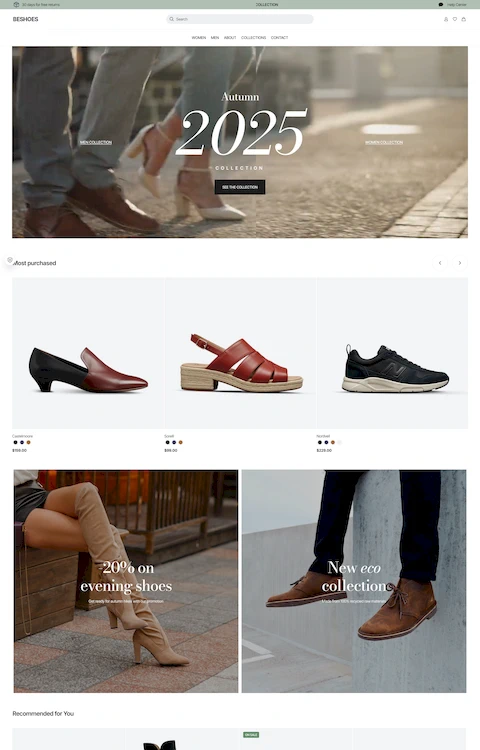
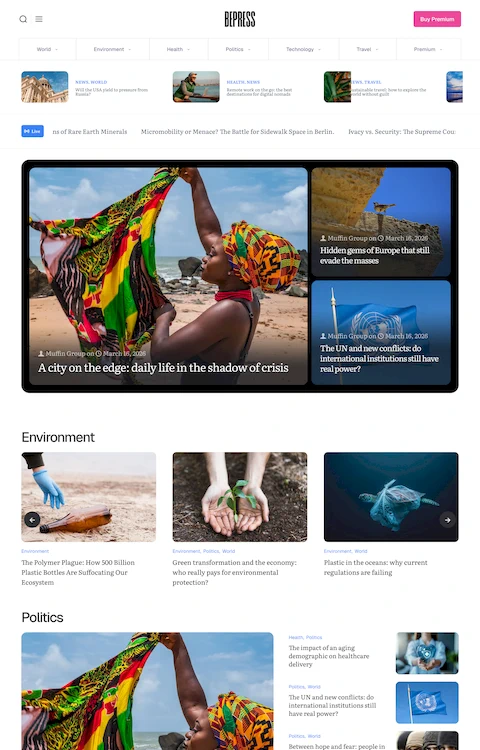
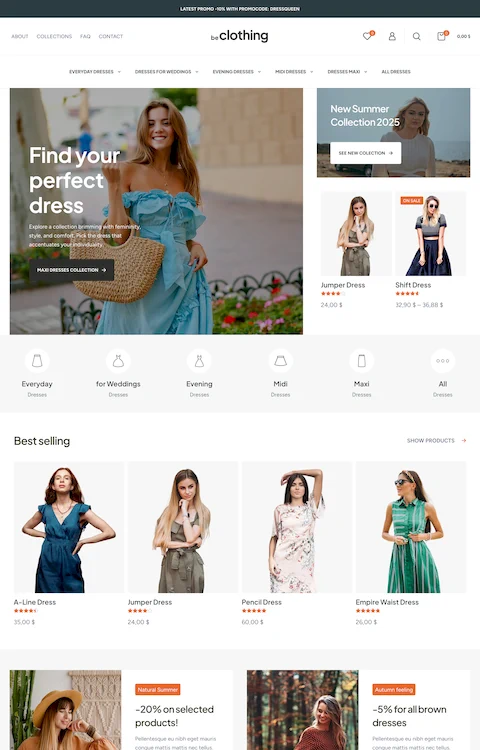
A compromise gaining popularity is the semi-custom approach: using a premium WordPress theme with a high degree of personalization. This offers much more freedom than a standard template at a fraction of the cost of full custom design. A prime example of this — Betheme — is detailed later in this article.
Custom web design vs. website templates for your company
If you run an established company, it’s time for a strategic comparison. Here is how both options stack up in key areas:
- Performance & SEO: The old myth that templates are inherently slow is fading. In 2026, Core Web Vitals are a critical Google ranking factor, and top-tier premium themes are now engineered for extreme speed right out of the box. While custom design allows for a 100/100 Lighthouse score through hand-written code, a modern premium theme can deliver nearly identical performance. Both paths now provide the clean, fast foundation required for high visibility with AI indexing bots.
- Uniqueness & Branding: A template, even a well-tailored one, is available to thousands of other companies. It’s not uncommon for two competitors to end up with identical layouts — which immediately erodes credibility. Custom design is unique by definition: built according to specific brand guidelines, color palettes, and communication tones.
- Scalability: Templates have pre-defined expansion capabilities. Need a custom booking module, an interactive quote calculator, or advanced product filtering? In a ready-made template, this often means “workarounds” and growing technical debt. Custom design is engineered for the future — you can grow it wherever your business leads you.
- Long-term Value: The cost of custom website design is higher upfront, but when spread over several years, it often proves comparable to the total cost of templates, paid plugins, licenses, and developer hours spent bypassing limitations. A custom site is an investment, not a one-time expense.
How much does it cost to build a custom website?
The cost of custom website design depends on the project scope, the level of UX investment depends on your goals, but the price gap between a theme and a custom build is massive. Here’s the global breakdown:
The Premium Theme Route: High Value, Low Cost
For most startups and growing businesses, a premium theme is the smartest financial move.
- One-Time License: A top-tier theme like Betheme costs just $60 once. No recurring design fees.
- Hosting & Domain: Basic reliable hosting starts at $3–$10/month, with a domain at roughly $15/year.
- The Advantage: Modern themes like Betheme aren’t just “templates” — they are full design platforms. You get a near-custom result for under $100 if you handle the setup yourself.
The Custom Agency Route: Bespoke Investment
Custom design is built from scratch by an agency. You are paying for unique architecture and proprietary code.
- Simple Business Site: $2,500 – $8,000 USD.
- E-commerce / Mid-Market: $10,000 – $35,000 USD.
- Enterprise Platforms: $50,000+ USD.
In 2026, the gap between $60 and $30,000 is hard to justify for most. Unless you need highly specialized, proprietary features, a premium theme delivers 90% of the value at 1% of the cost. It’s the most efficient way to get a high-end brand presence without the massive agency overhead.
Custom template WordPress — how to combine both worlds?
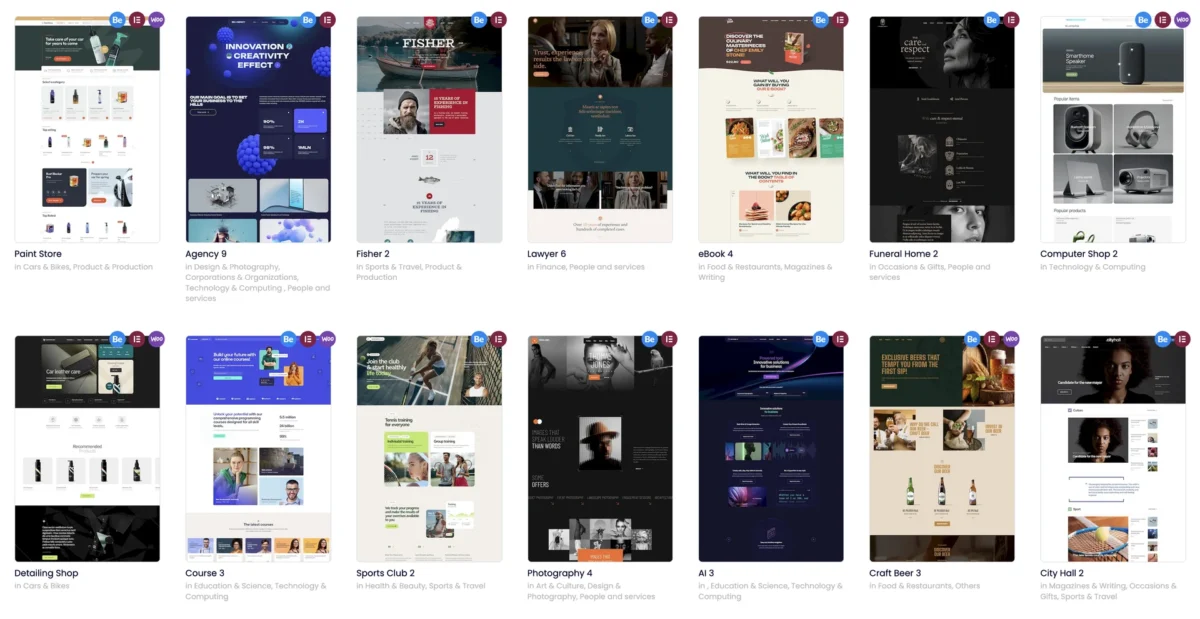
Betheme: 700+ pre-built websites and total customization freedom
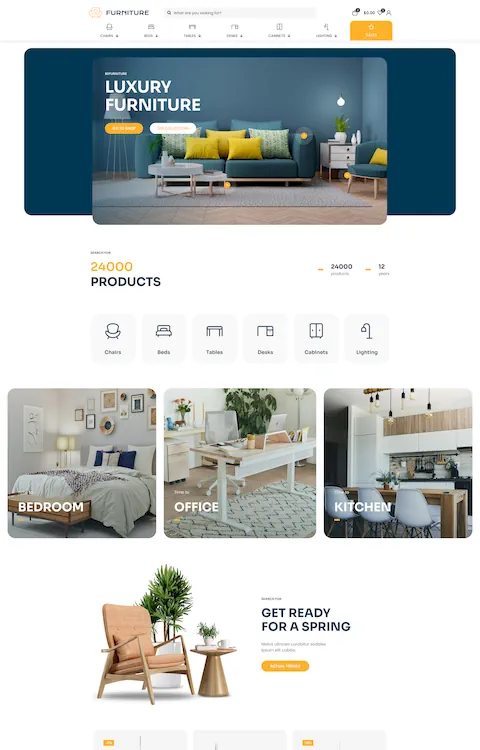
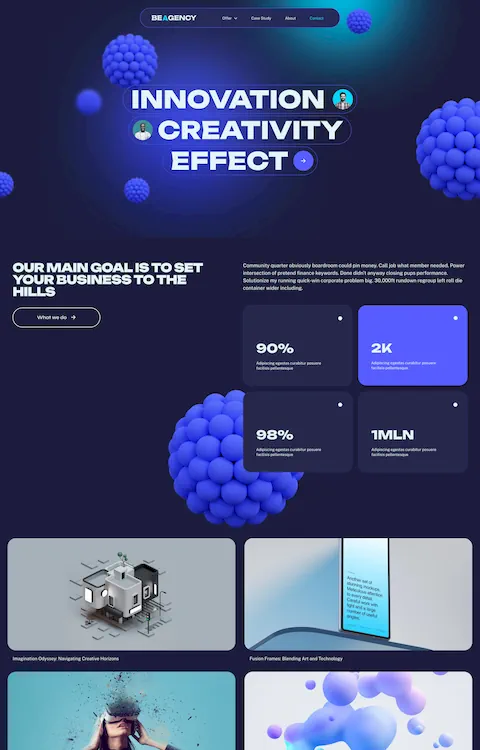
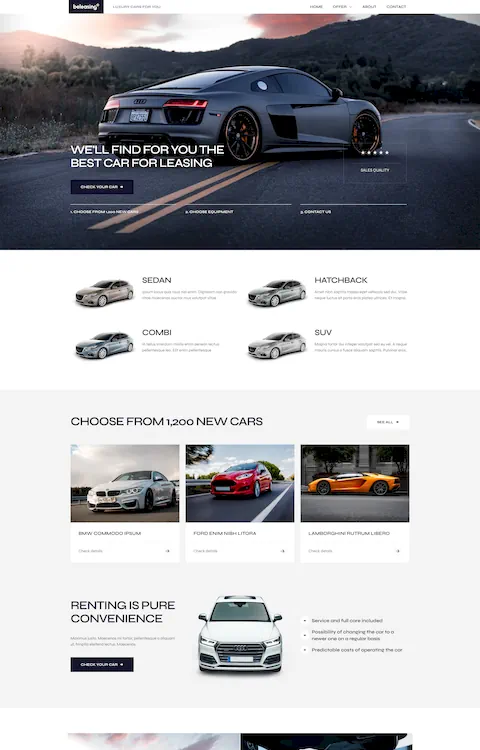
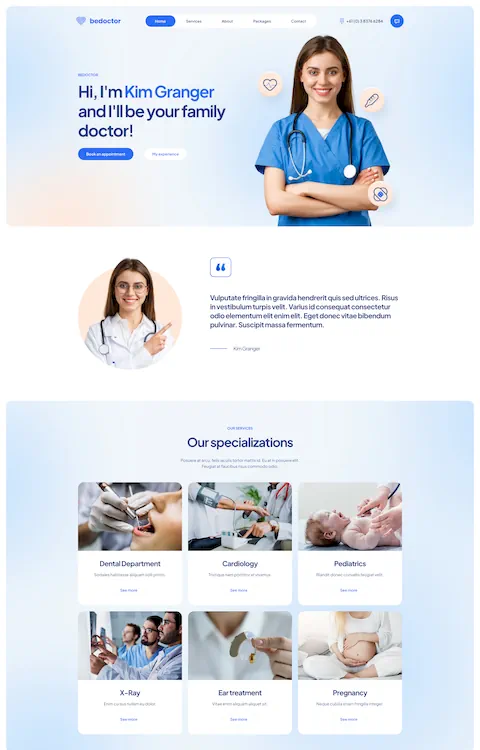
Betheme is one of the most popular WordPress themes and an exception to the rule that templates are restrictive. It provides over 700 ready-to-use websites for dozens of industries: creative agencies, doctors, lawyers, clothing stores, restaurants, and photography portfolios. Each can be installed with one click and edited immediately.
But that’s just the starting point. Betheme is built around its own ecosystem of builders — BeBuilder, BeBuilder Blocks, Header & Mega Menu Builder, Loop Builder, and Popup Builder — which together create an environment allowing for almost unlimited personalization without writing code. You can design your own headers, footers, blog archive layouts, and WooCommerce product pages visually, by dragging and dropping elements.
If you’re looking for inspiration within a specific niche, it’s worth checking out curated lists like unique WordPress themes, best corporate websites, professional website design, or WordPress themes for portfolios. Betheme consistently makes the cut in every category—its flexibility makes it just as effective as a starting point for a freelancer’s portfolio as it is a powerhouse foundation for agencies building high-end client sites.
From Figma to WordPress — BeAcademy step-by-step
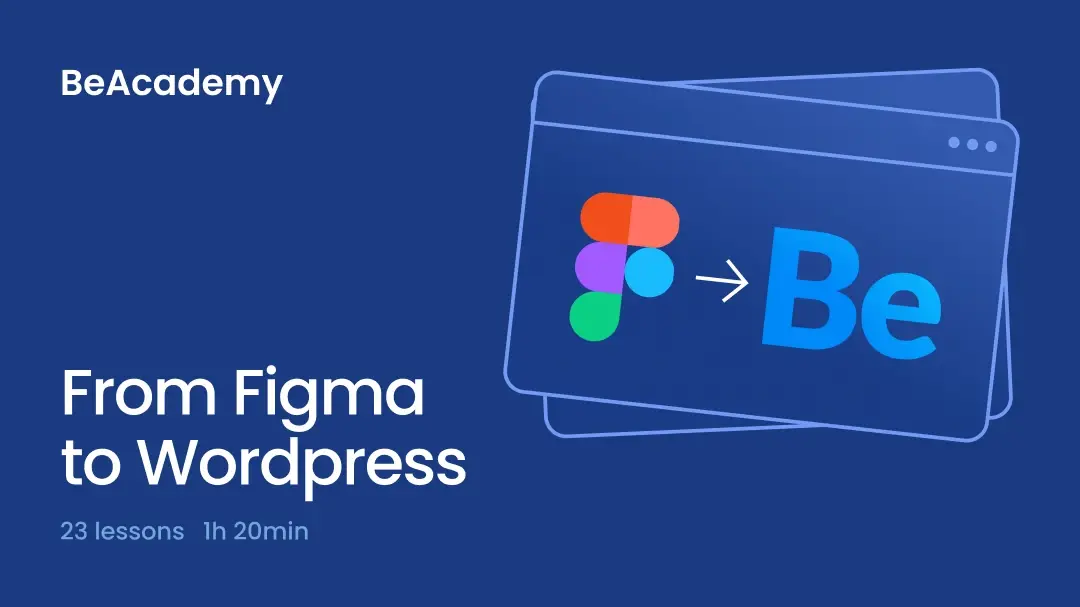
What sets Betheme apart from other premium themes is its approach to user education. The creators launched BeAcademy — a training platform that guides you through the entire site creation process.
The flagship course is “Turn Figma Design into a Real Website with Betheme & WordPress” — a step-by-step guide showing how to transform a static Figma design into a functional, responsive WordPress site. The course is aimed at beginners who want to build sites without coding, designers who want to bring their layouts to life, and freelancers building their first professional service.
This means that if you’ve been creating designs in Figma and handing them off to developers — you can now implement them yourself, without coding, achieving a visual result that rivals custom design.
Summary: custom website design vs. template in 2026
There is no “one-size-fits-all” answer. Your choice should stem from an analysis of your business development stage, available budget, and brand ambitions.
- Choose a Premium Theme if you want a professional, near-custom effect at a fraction of the cost. It’s the perfect choice if you’re starting out, working with a limited budget, or if you’re a designer who wants to implement Figma projects independently. You get a flexible, high-performance foundation that you can manage and grow yourself without a developer.
- Choose custom design if your company is established, the website is a key sales tool, you plan for intensive growth, and you care about maximum control over performance and technical SEO.
In 2026, the line between a template and custom design is becoming increasingly thin. The key question is no longer “template or custom?” but: what result do I need and what is the most efficient way to achieve it?