
Websites with a Green Color Palette That Look Amazing
August 29, 2025Deliciously Inspiring Food Website Design Examples
September 4, 2025Your writing samples deserve better than a cluttered WordPress theme from 2012.
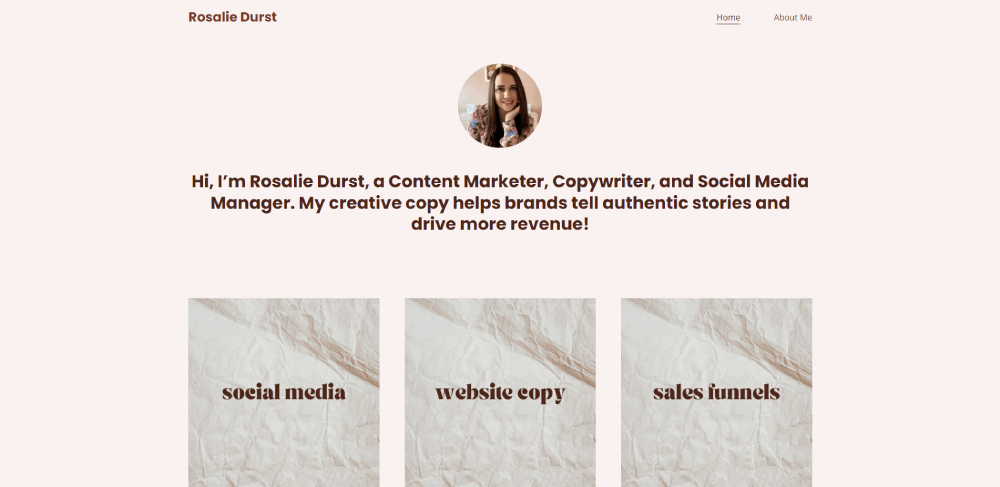
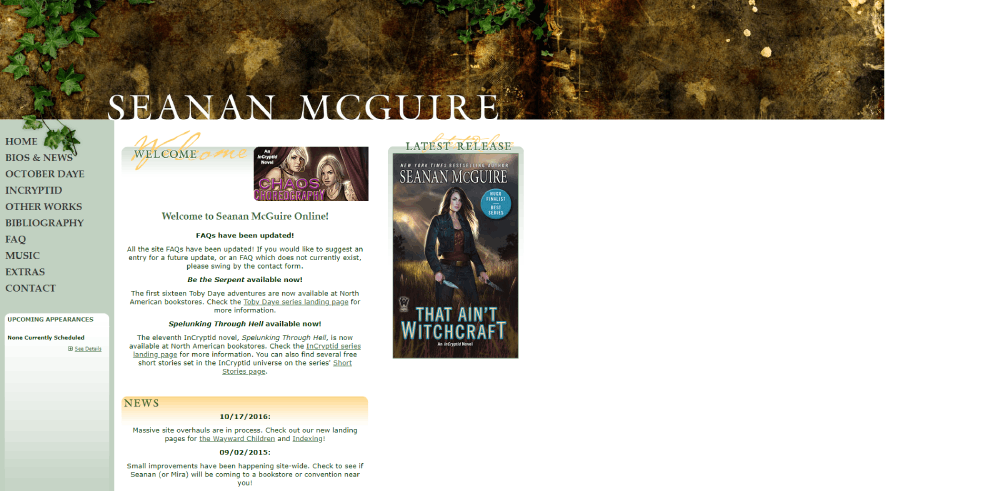
Most creative writer website design examples online look identical: same layouts, same fonts, same forgettable homepages. Clients scroll past. Agents move on.
The gap between amateur and professional writer portfolios isn't coding skill. It's knowing what actually converts browsers into paying clients.
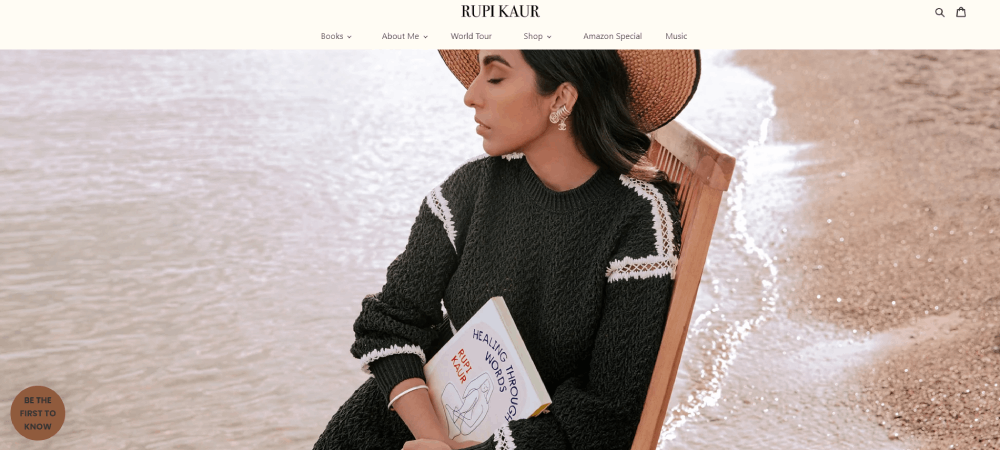
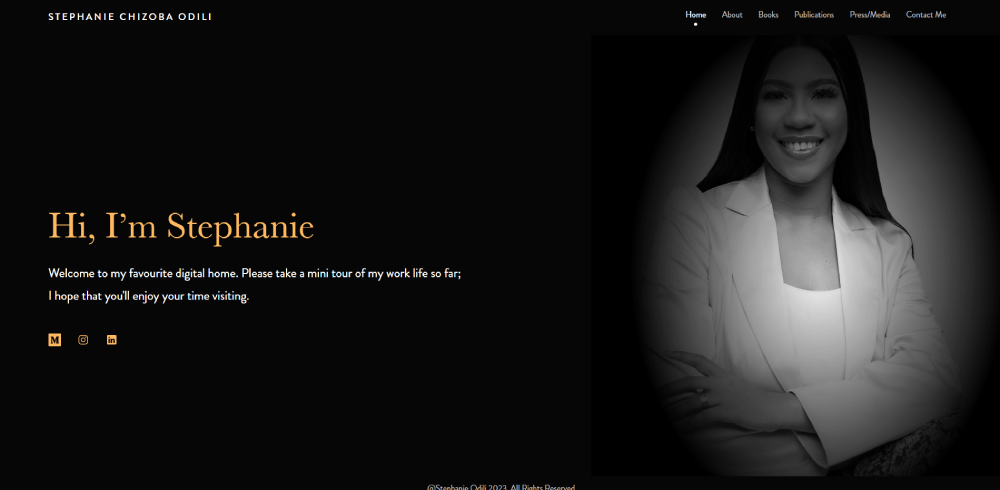
This guide breaks down writer website designs that get results. You'll see what makes author portfolio sites memorable, how successful copywriters structure their homepages, and which layout choices help your credibility.
Whether you're building your first site on Squarespace or fixing one that isn't working, these examples show exactly what separates writers who book clients from those still waiting.
What is Creative Writer Website Design
Creative writer website design is a specialized approach to building online portfolios that showcase written work through visual layouts, typography choices, and navigation structures.
These sites prioritize readability, personal branding, and client conversion.
A novelist needs different homepage structure than a copywriter.
A screenwriter portfolio layout differs from what a journalist portfolio page requires.
The goal stays the same: present your writing samples in a way that attracts clients, publishers, or readers.
WordPress and Squarespace dominate this space. Wix works too. Webflow has a steeper learning curve but offers more control.
Platforms like Copyfolio and Journo Portfolio cater specifically to writers who want fast setup without coding.
Your author website templates choice depends on your technical comfort level and long-term goals.
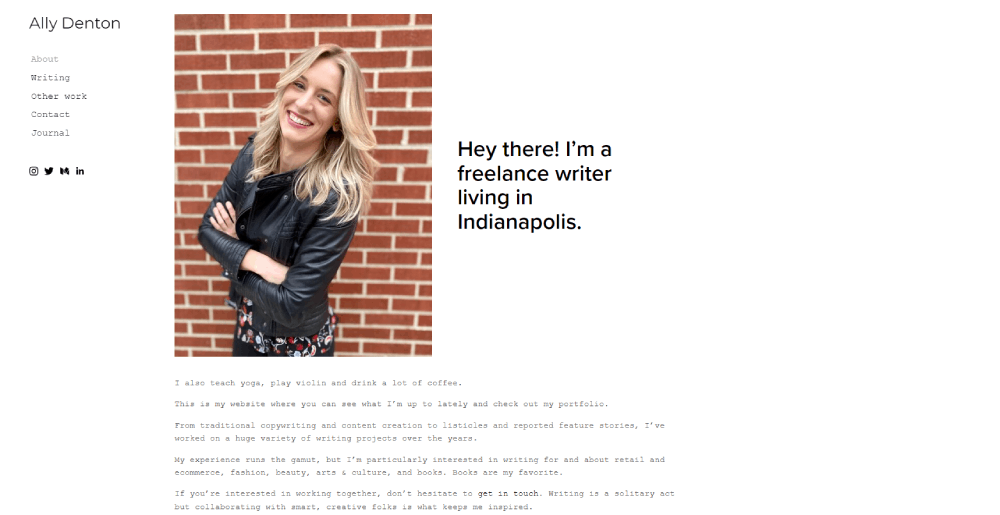
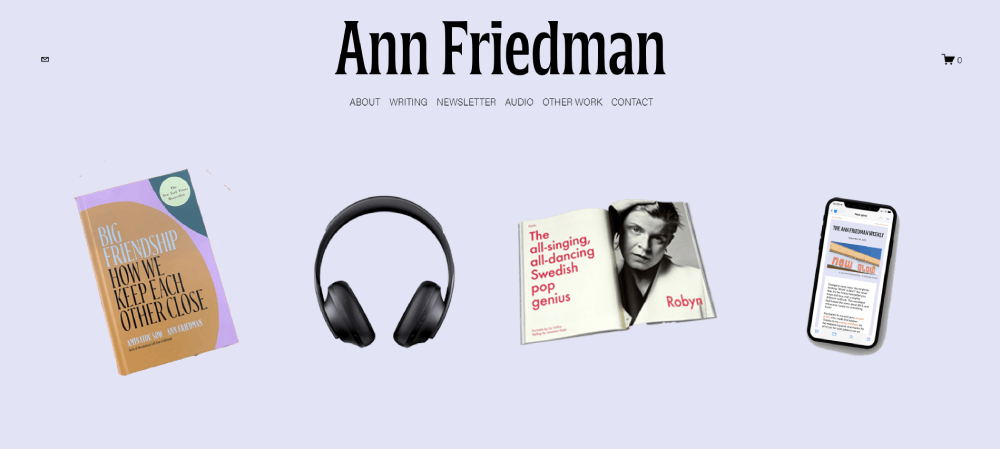
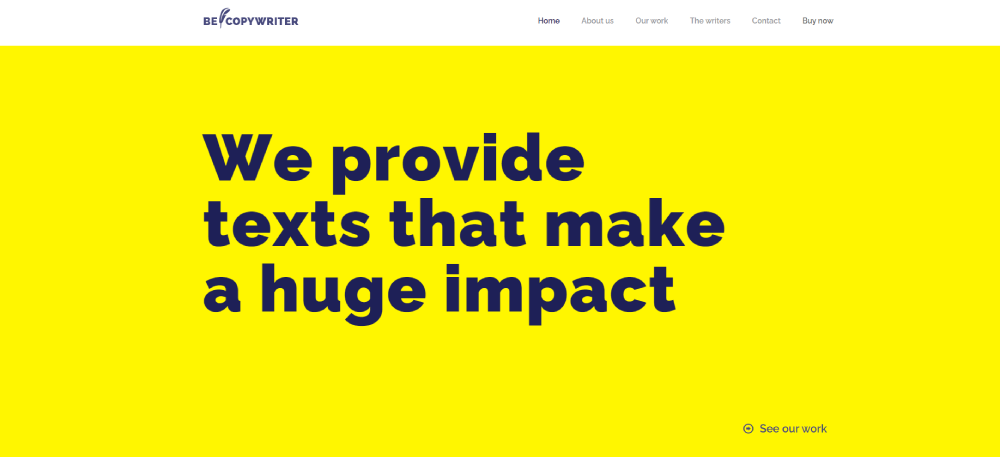
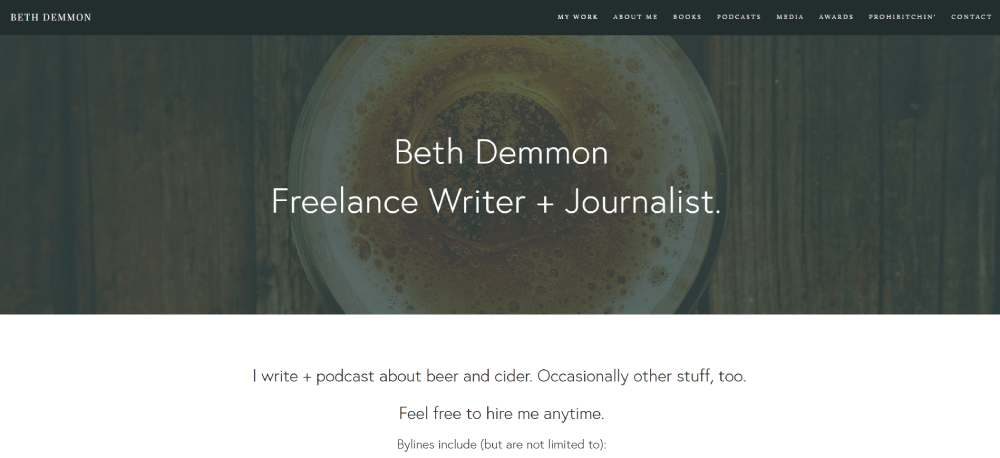
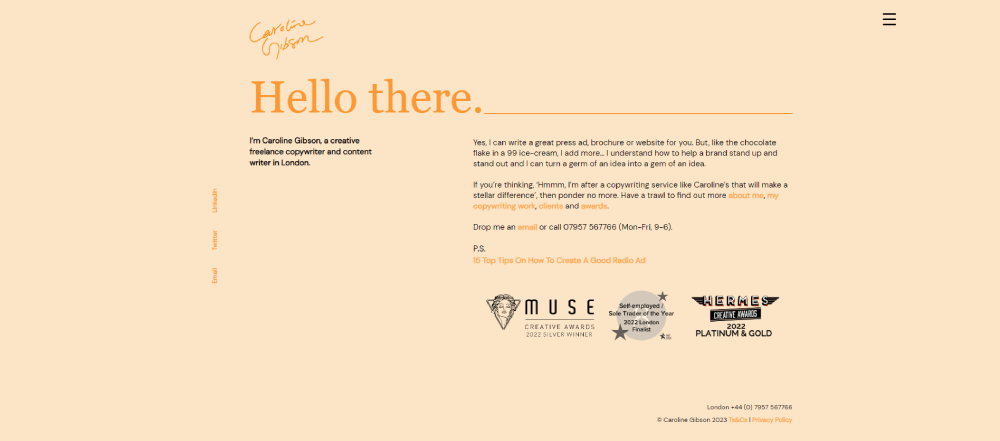
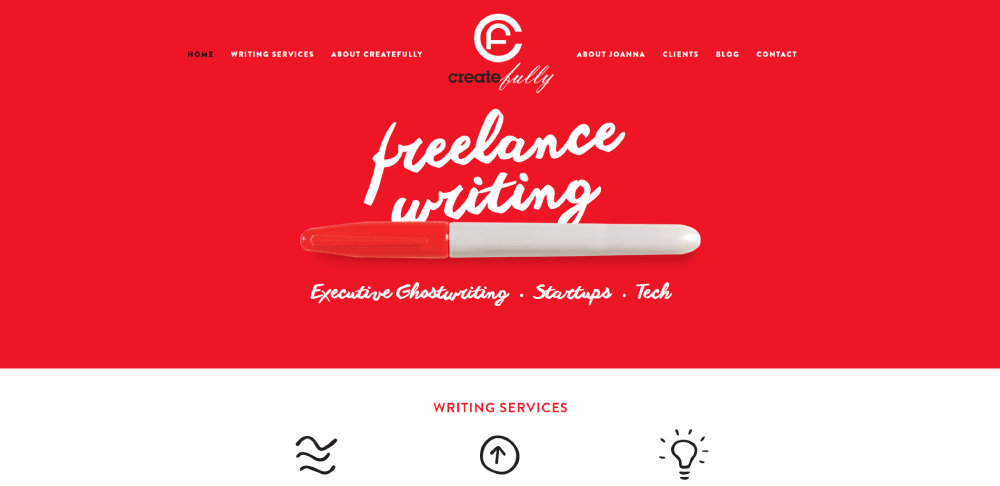
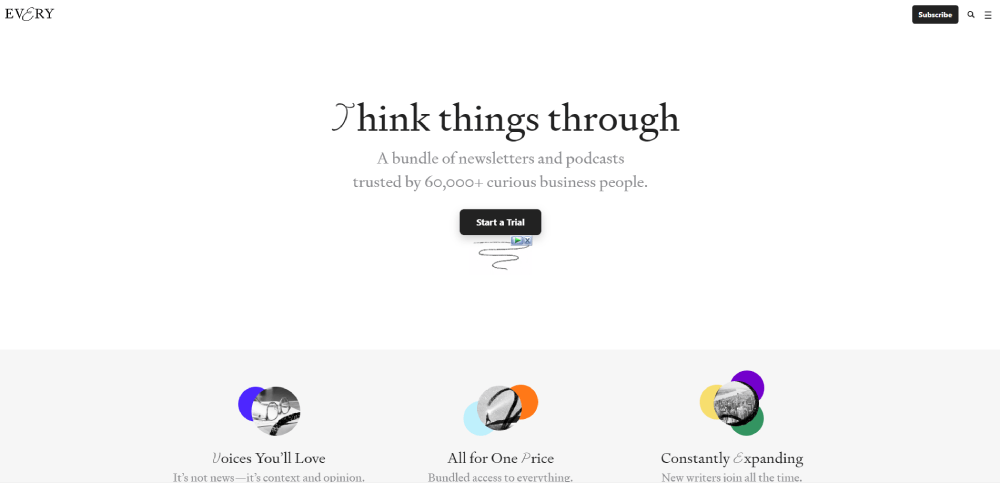
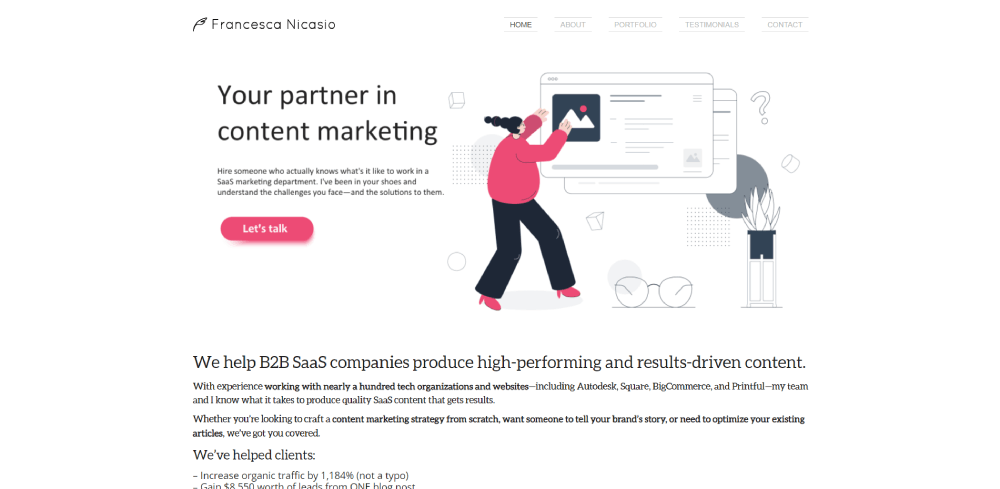
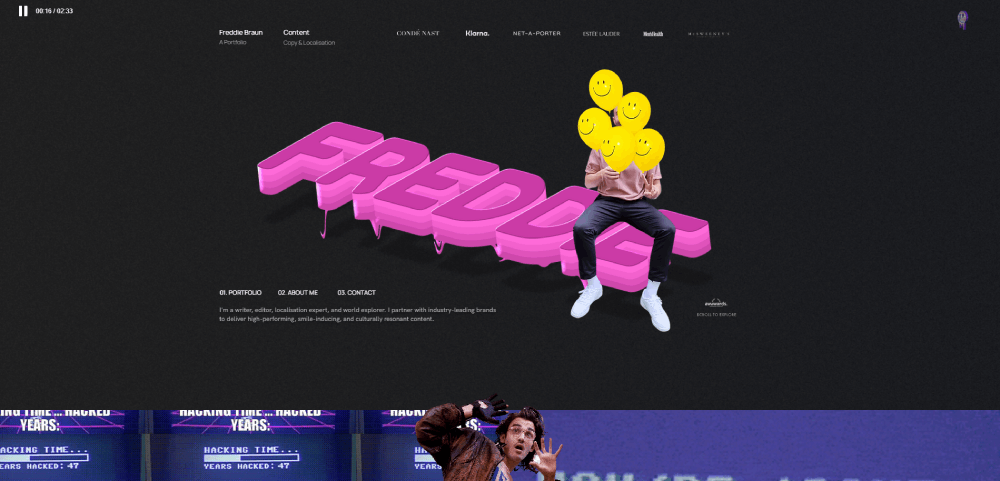
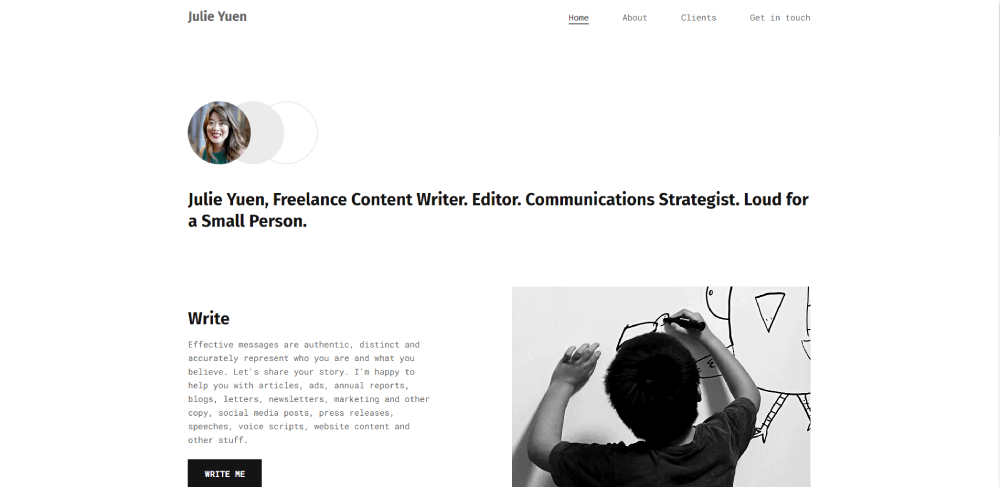
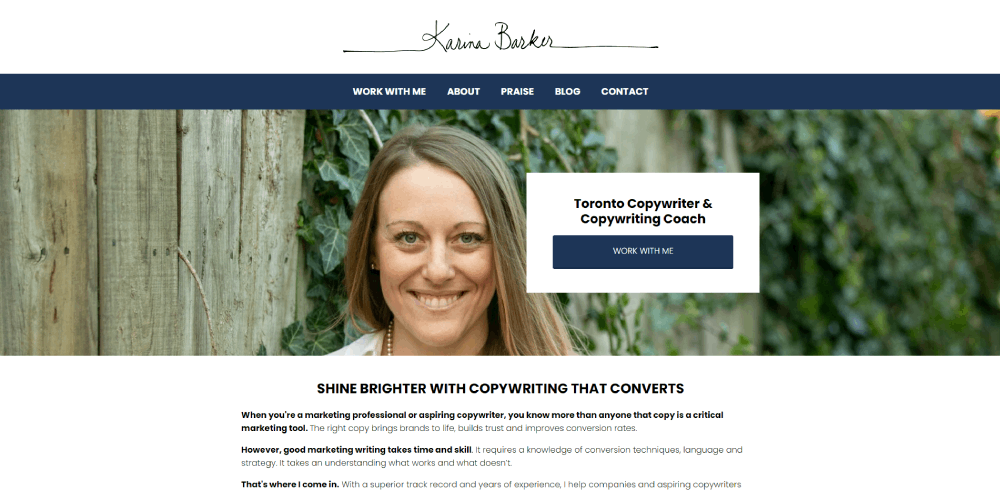
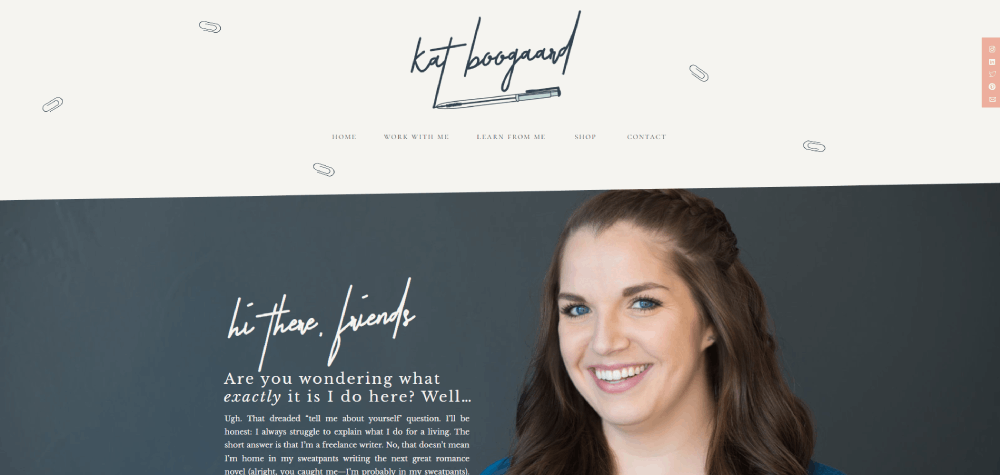
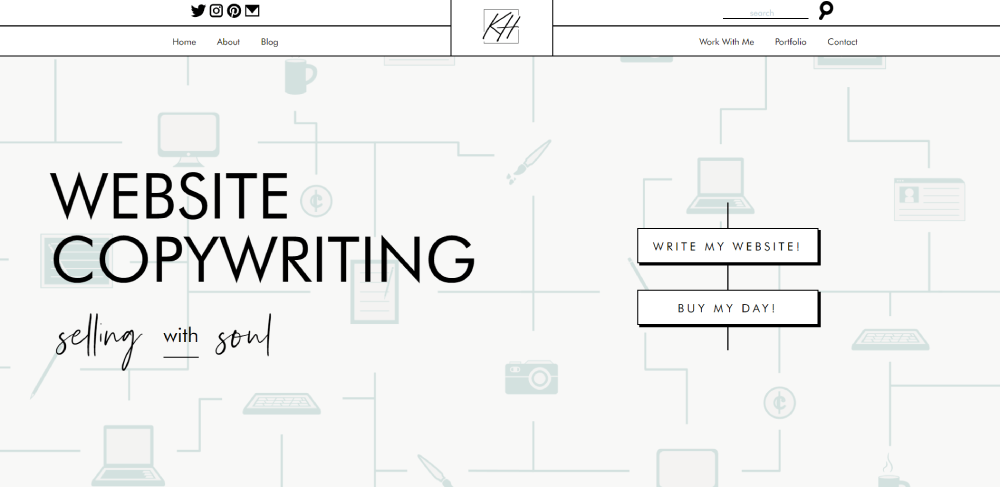
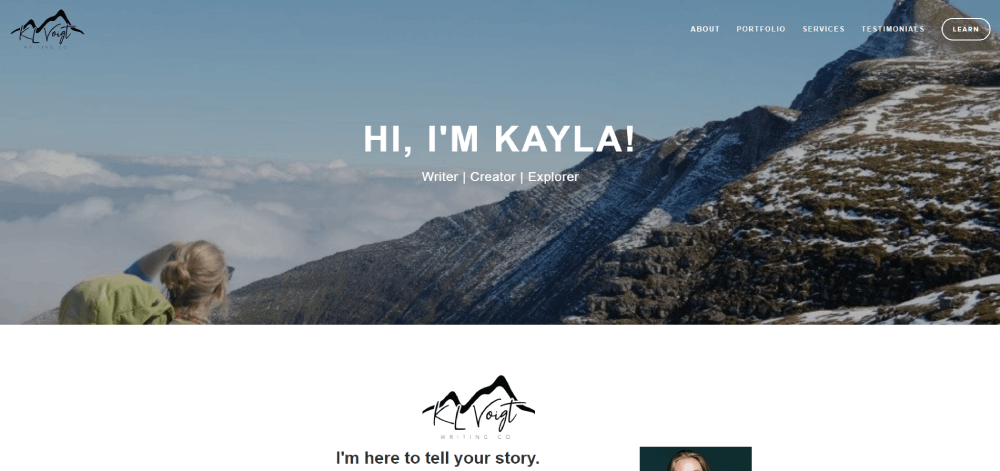
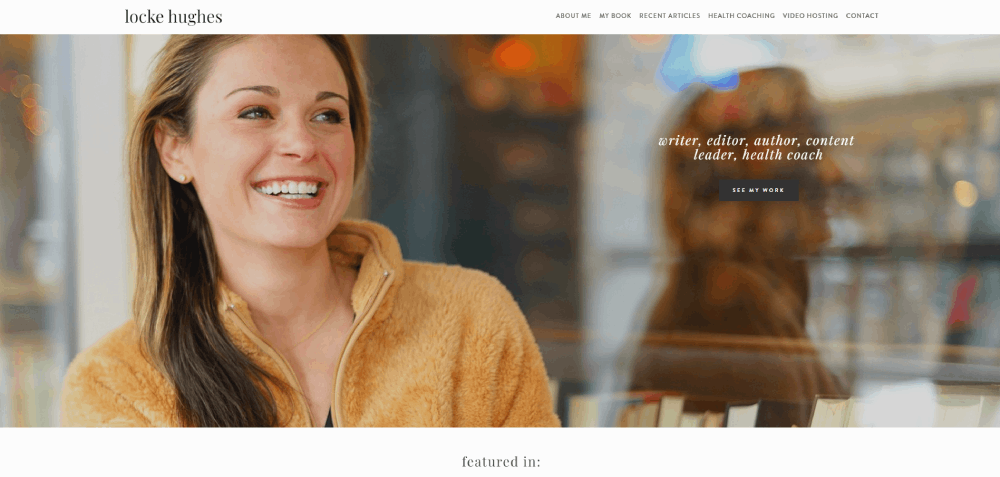
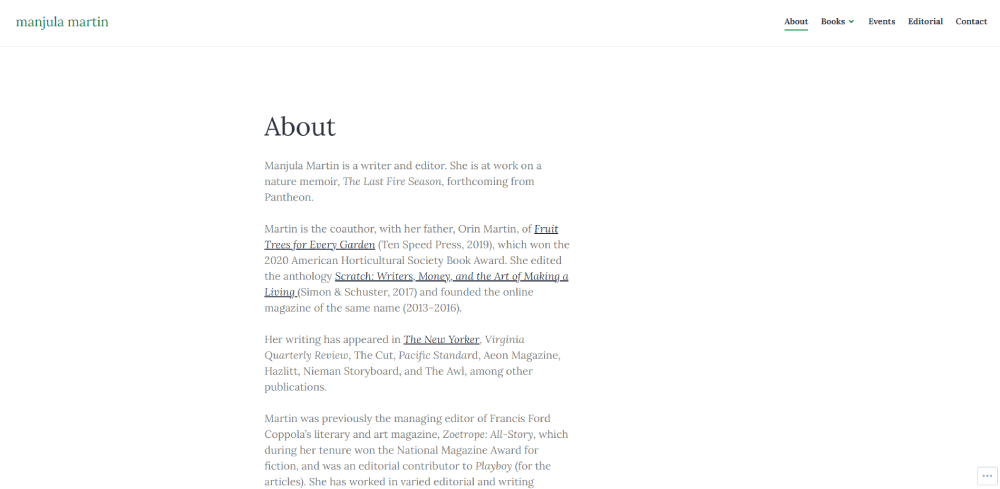
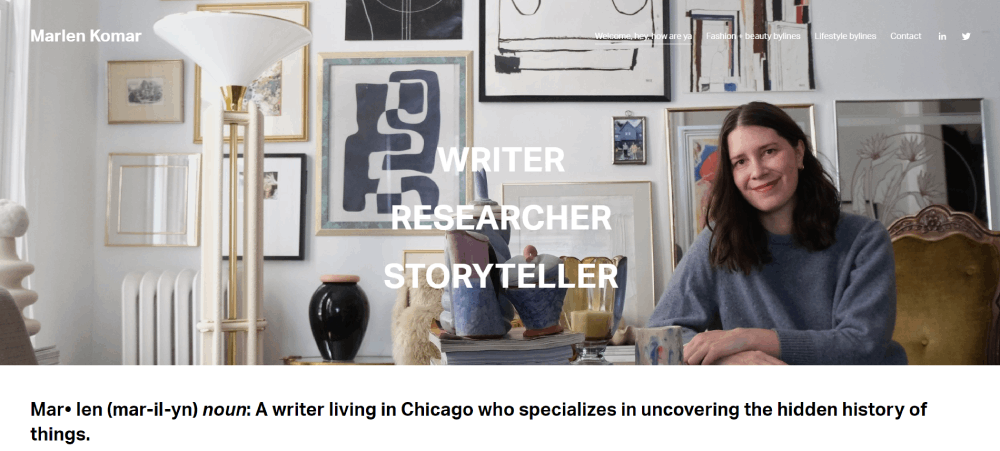
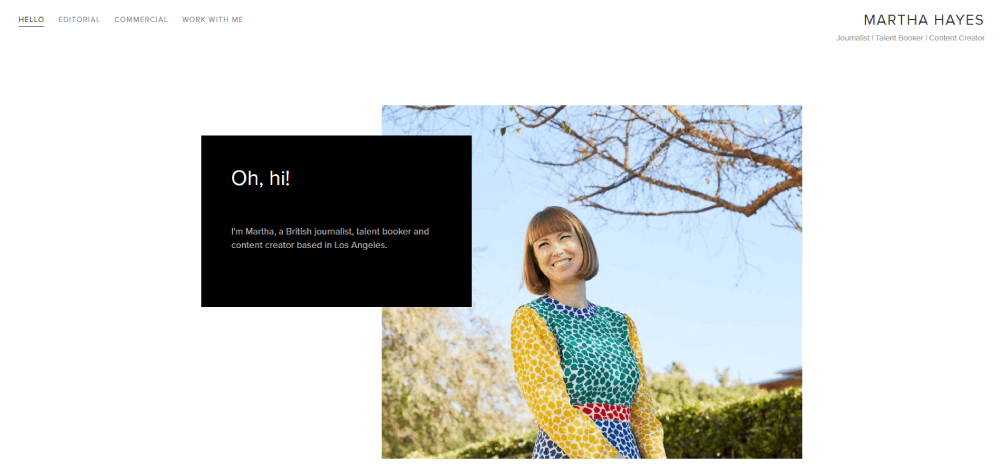
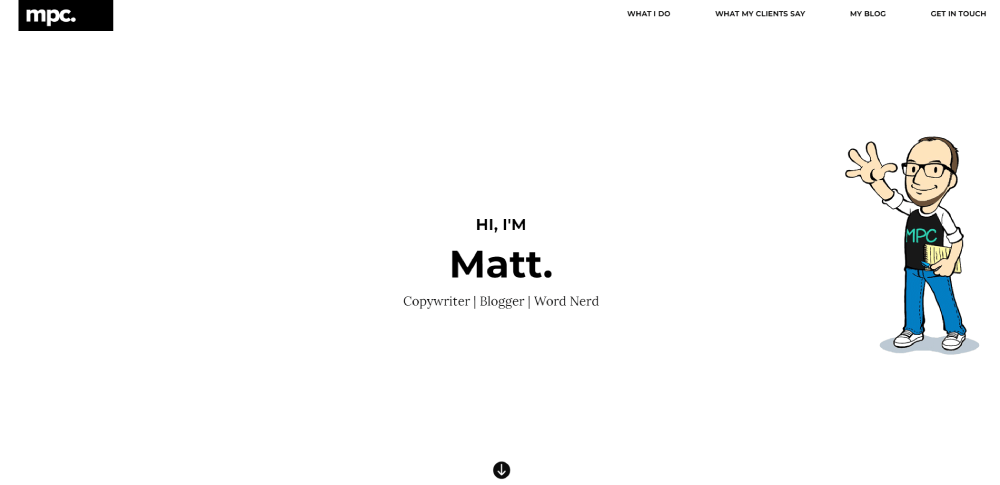
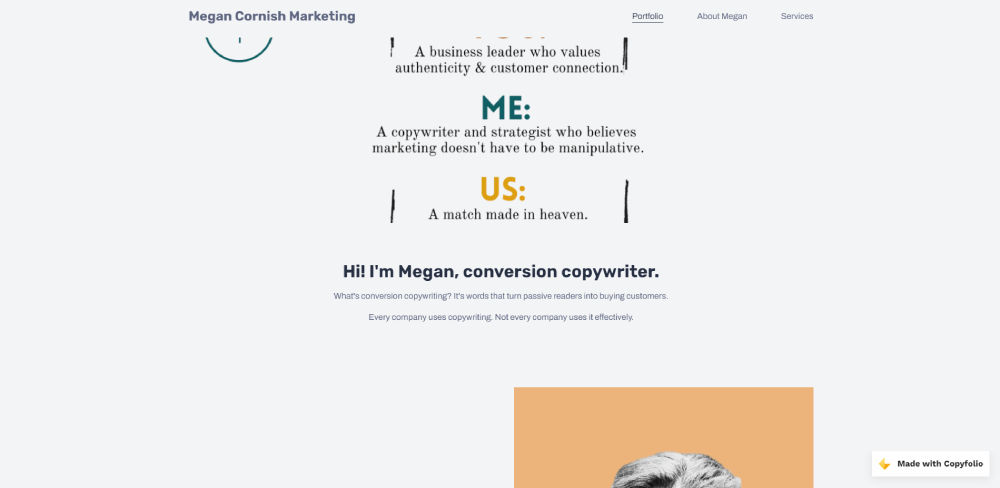
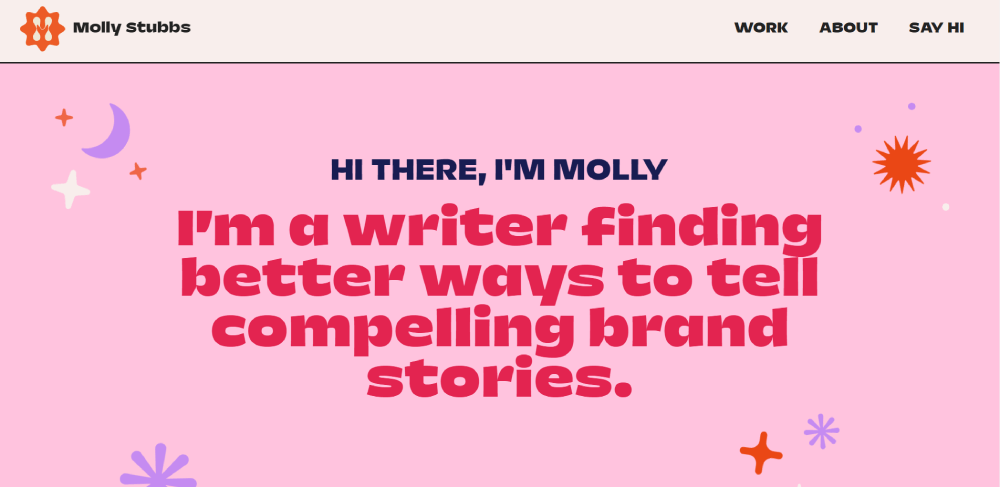
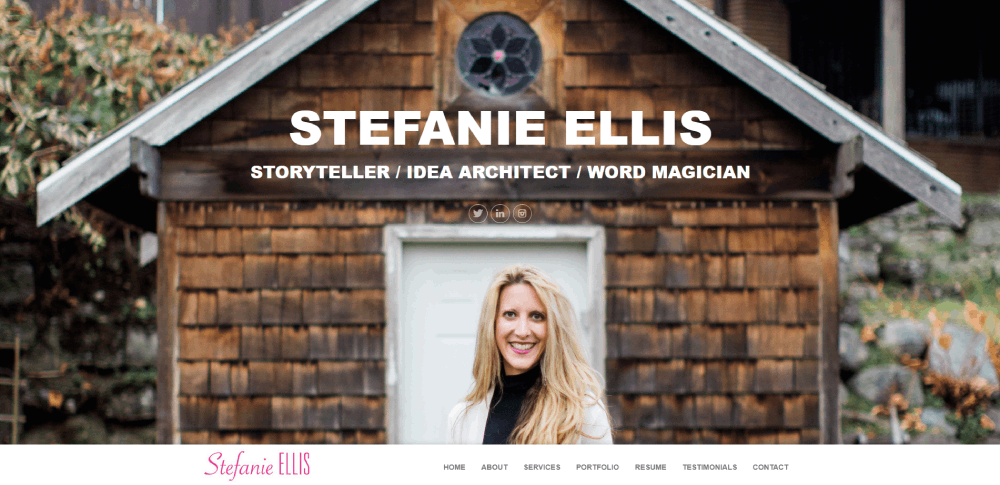
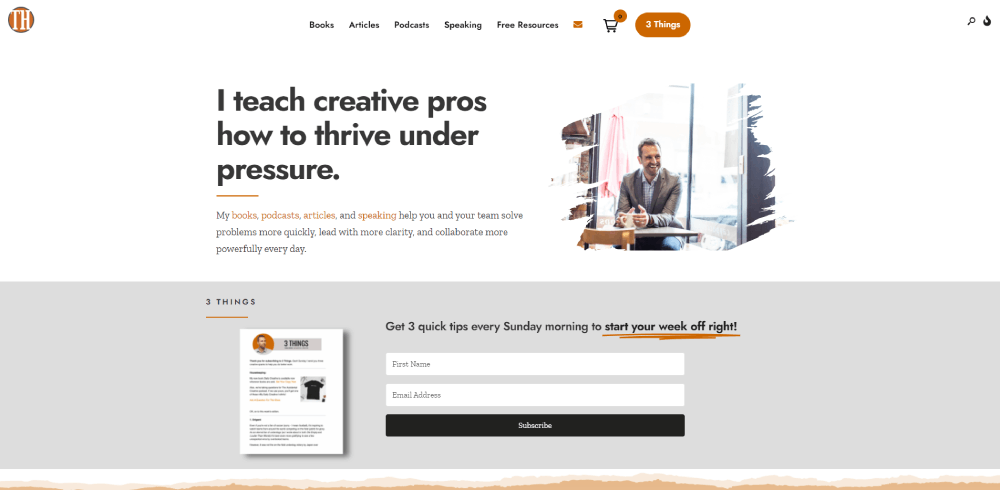
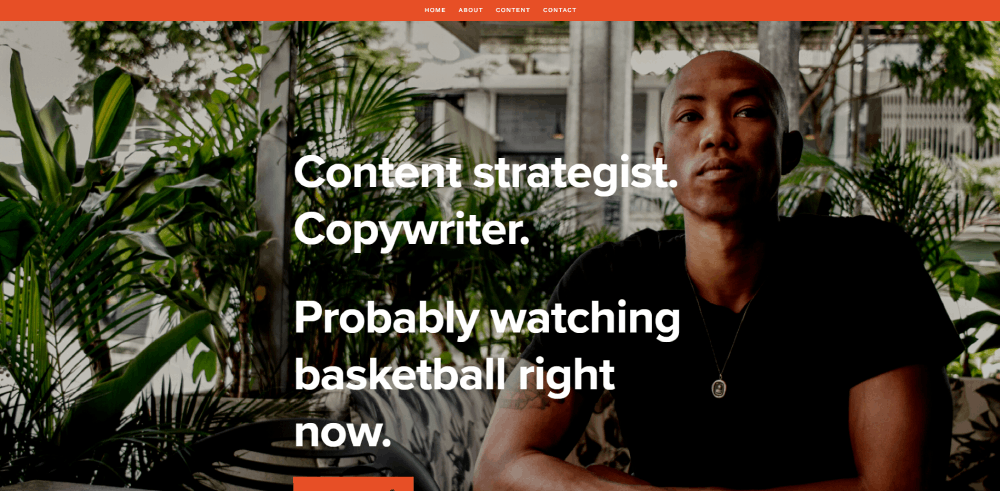
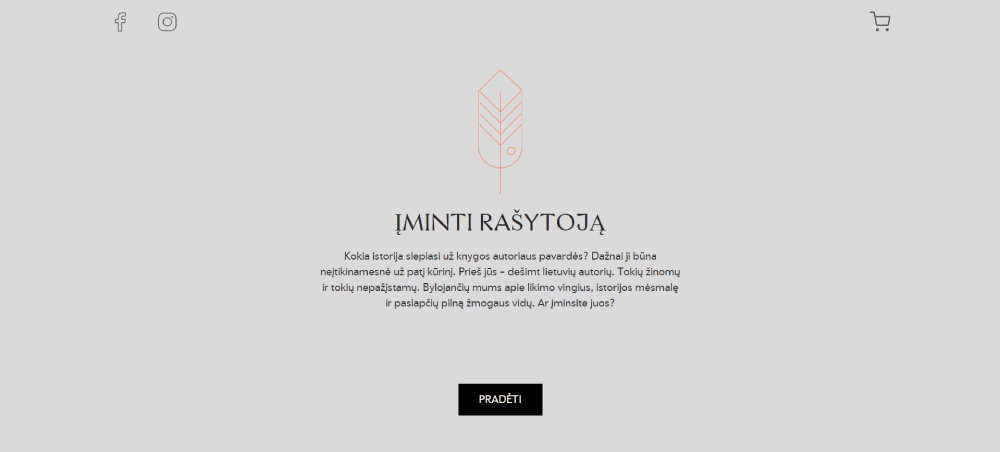
Freelance Writer Website Design Examples
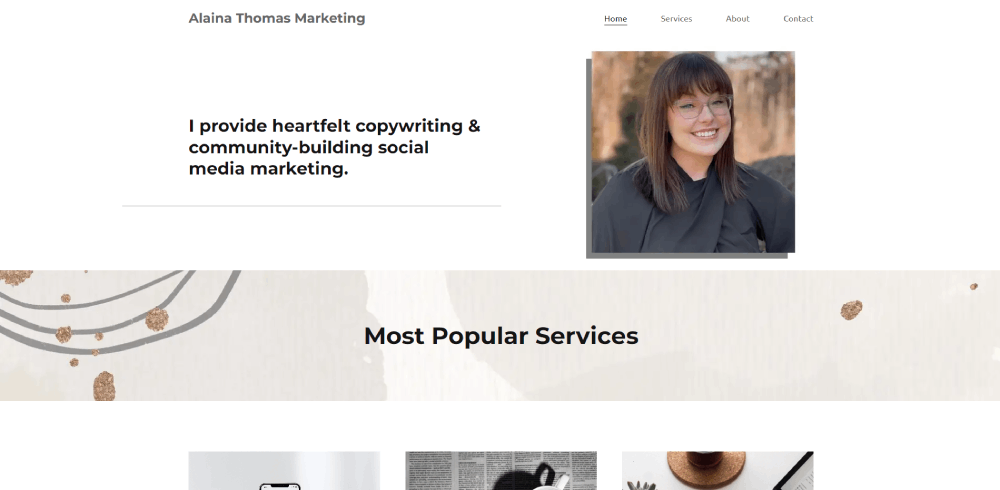
Alaina Thomas








Why Creative Writers Need a Dedicated Website
Social media profiles disappear. Publications remove articles. Editors change jobs.
Your writing portfolio website stays under your control.
Freelance writers with professional sites get more client inquiries. Fiction authors with book showcases sell more copies. Content creators with organized byline collections land better assignments.
A dedicated site lets you:
- Archive published work permanently
- Control your personal brand identity
- Collect newsletter signups through Mailchimp or ConvertKit
- Display client testimonials without platform restrictions
- Track visitor behavior through Google Analytics
Medium and Substack work as supplements. They shouldn't replace your main online writing portfolio.
Agents and editors Google you before responding. Make sure they find a professional website instead of a broken LinkedIn page.
Types of Creative Writer Websites
Author Portfolio Sites
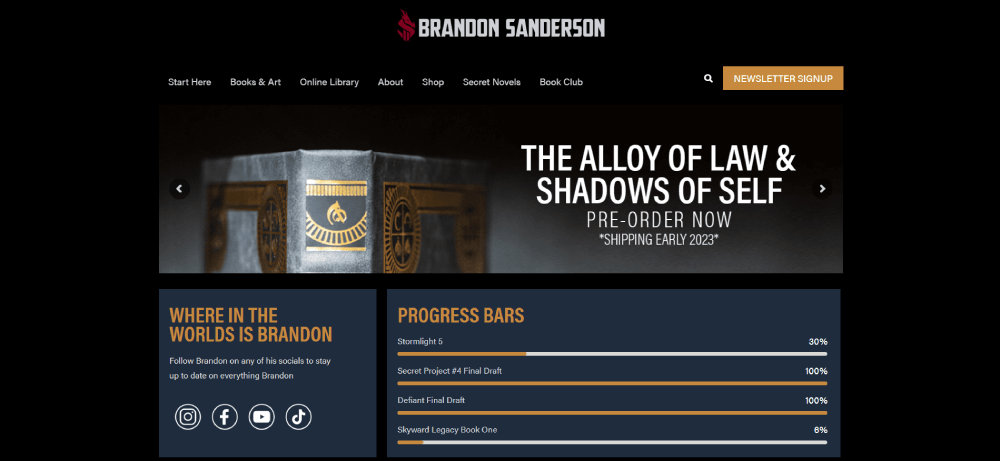
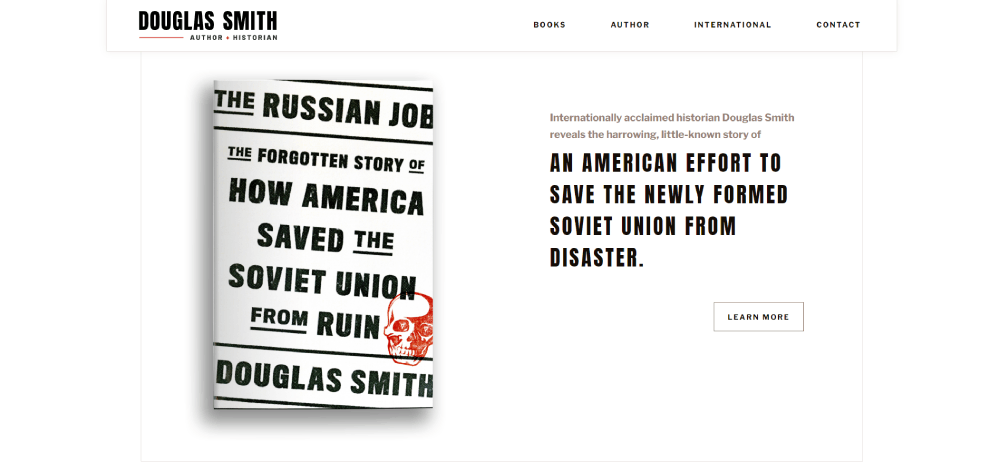
Built around published books. Hero section features cover images, purchase links, and press quotes.
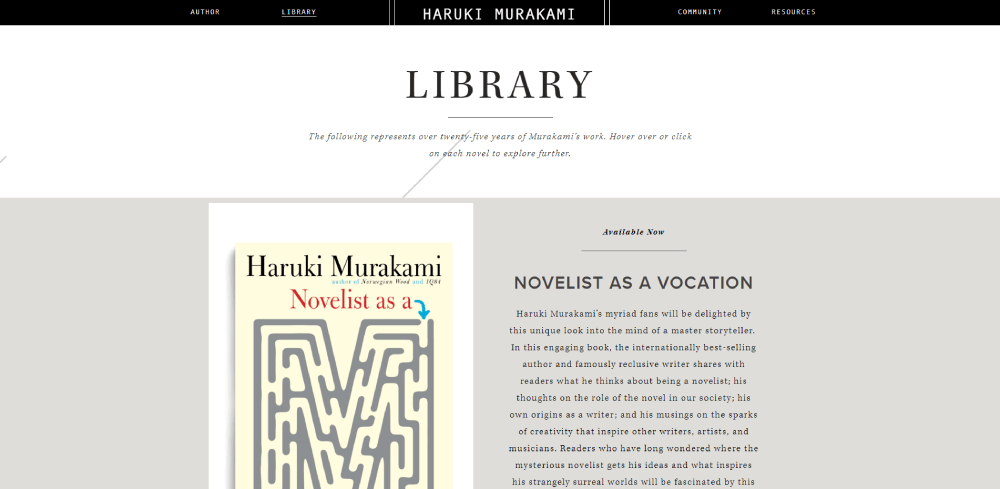
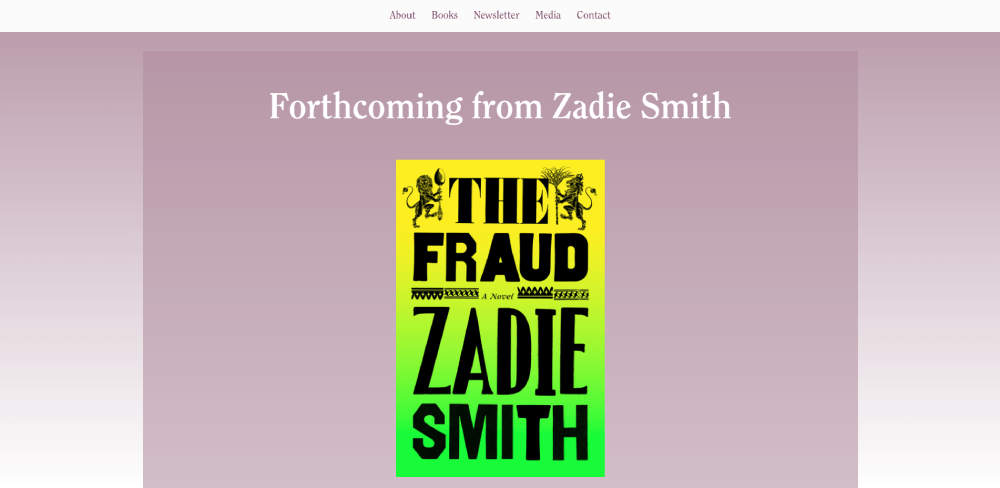
Haruki Murakami's site uses background designs adapted from his book art. Ta-Nehisi Coates leads with bold black-and-white visuals punctuated by red accents.
Freelance Writer Websites
Conversion-focused with clear hire me page design and service descriptions.
Best freelance writer portfolio examples include prominent call to action buttons, pricing information, and niche specialization. Contact form placement matters here.
Copywriter Landing Pages
Single-page or minimal navigation. Every element drives toward the contact page.
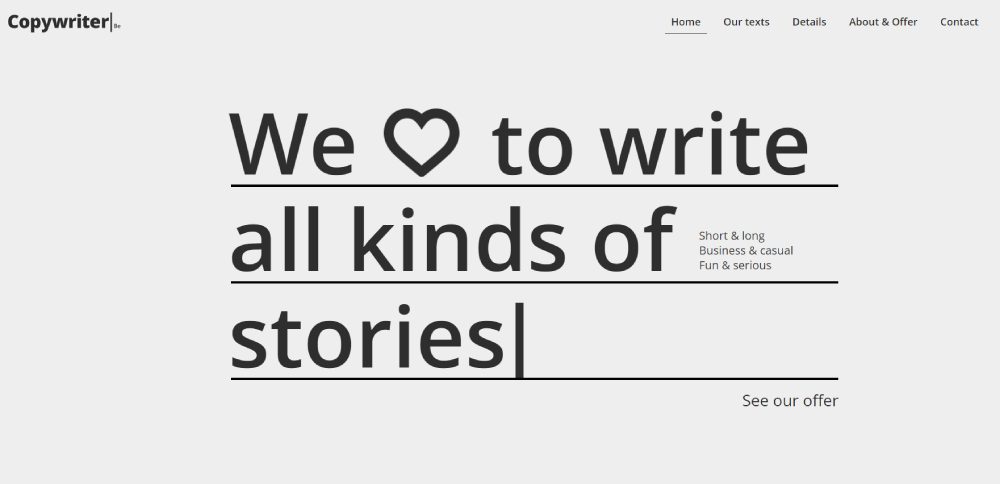
Brand voice copywriters often use minimalist website approaches with heavy focus on good typography and persuasive headlines.
Fiction Writer Platforms
Emphasizes storytelling through visual design. Manuscript display design takes priority over services.
These sites showcase creative writing pieces, short stories, poetry collections, and novel excerpts. The about the author layout often includes personal narrative elements.
Design Components for Writer Websites
Homepage Structure
Your hero section makes or breaks first impressions.
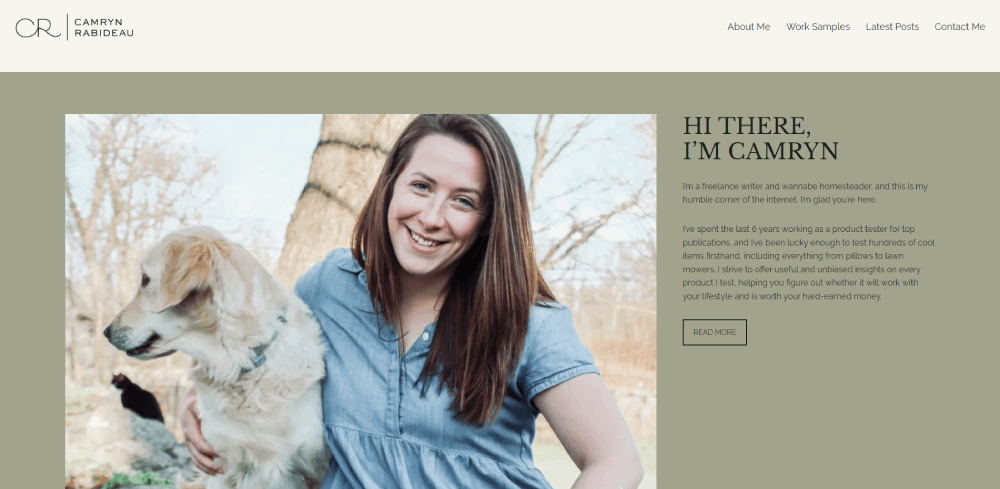
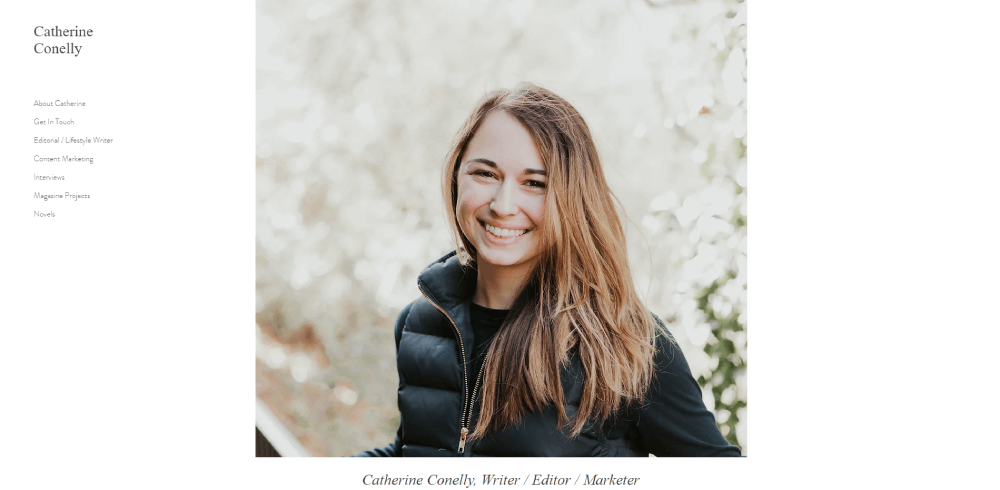
Include your name, what you write, and one clear next step. Professional headshot placement works in the hero or about section.
Skip the sliders. They slow loading and distract from your message.
Portfolio Page Layouts
Two main approaches: text link organization or thumbnail gallery display.
Text links work for extensive byline collections. Use category filtering system when you have multiple writing niches.
Visual thumbnails suit smaller, curated selections. Create them through Canva or use screenshots with consistent color schemes.
About Page Requirements
Writers often overthink this. State your experience, specialties, and what makes you different.
Include a professional photo. Add credentials that matter: publications, awards, education if relevant.
Link to your LinkedIn and relevant social profiles. Keep paragraphs short.
Contact and Hire Sections
Simple form design converts better than complex ones.
Name, email, project description. That's enough.
Display your email directly for people who hate forms. Response time expectations help manage client relationships.
Typography and Readability Choices
Font pairing affects how visitors perceive your writing before reading a word.
Google Fonts and Adobe Fonts offer free options. Serif fonts signal traditional publishing. Sans-serif reads modern and clean.
Body text needs 16px minimum. Line height around 1.5 to 1.7. Understand typography in web design before picking fonts randomly.
Color Schemes and Visual Identity
Most writer websites stick to neutrals: black, white, gray, with one accent color.
This works because words should dominate, not competing visual elements.
White space makes content scannable. Cramped layouts feel amateur.
Apply color theory principles: complementary colors for accents, consistent palette across all pages.
How to Build a Creative Writer Website
Choosing a Platform
WordPress offers maximum flexibility; requires more setup time. Squarespace provides polished templates ready immediately.
Wix works for quick launches. Webflow suits designers who want granular control. Format and Journo Portfolio target writers specifically with pre-built portfolio structures.
Selecting a Template
Pick based on your content type, not aesthetics alone.
Heavy on images? Grid-based layouts. Text-focused? Single column with generous margins.
Check responsive website behavior on mobile before committing. Most visitors browse on phones.
Organizing Your Writing Samples
Five to eight pieces hit the sweet spot. Quality beats quantity.
Match samples to the work you want. Tech startup copywriter? Remove travel blog posts.
Use categories: creative nonfiction, fiction writing, editorial, branded content. Let visitors filter by interest.
Writing Your Bio and About Section
Third person for formal contexts; first person builds connection.
Lead with credentials that matter to your target audience. Skip irrelevant personal details.
Update quarterly minimum. Stale bios signal inactive careers.
Setting Up Contact Forms
Three fields maximum: name, email, message. Every additional field drops completion rates.
Include your email address separately for form-averse prospects. Set response time expectations.
Common Mistakes in Writer Website Design
Cluttered Navigation
Five menu items maximum. Home, Portfolio, About, Services, Contact covers most needs.
Dropdown menus confuse on mobile. Keep structure flat when possible. Study website navigation examples that actually convert.
Poor Mobile Experience
Over 60% of web traffic comes from phones. Test every page on actual devices.
Buttons need thumb-friendly sizing. Text requires readable size without zooming. Mobile first design prevents these issues from the start.
Slow Loading Portfolio Pages
Large images kill load times. Compress everything through TinyPNG or similar tools.
Remove unused plugins on WordPress. Avoid excessive animations that serve no purpose.
Missing Calls to Action
Every page needs a clear next step. "Hire me," "Read more," "Subscribe," "Download."
Visitors don't guess what you want. Tell them directly with good UI patterns.
Inconsistent Visual Branding
Same fonts, colors, and image style across all pages. Random variation looks unprofessional.
Create brand guidelines even if simple. Document your hex codes, font choices, and image treatments.
Writer Website Design by Writing Niche
Fiction and Novel Writers
Book covers dominate the visual hierarchy. Purchase links prominent on every page.
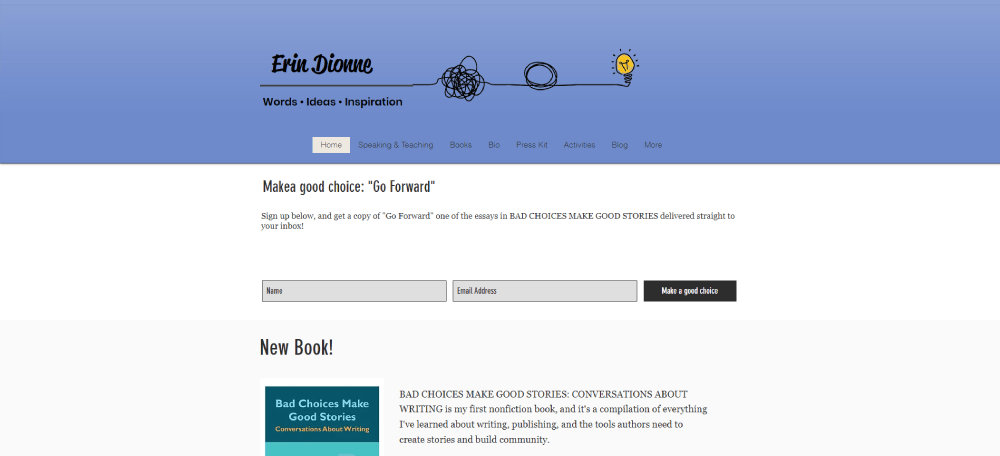
Include reader community elements: newsletter signup, discussion areas, event calendars. Building audience matters more than client acquisition.
Technical and B2B Writers
Credibility signals take priority: client logos, case studies, measurable results.
B2B website principles apply here. Clean layouts with proof of expertise convert corporate clients.
Creative Non-Fiction Writers
Published work showcase with publication logos visible. Essay collections organized by theme or publication.
Personal voice can come through in design choices. More creative license than technical writers.
Screenwriters and Script Writers
IMDb credits, produced work, and industry connections matter most.
Video clips when available. Filmmaker websites offer design inspiration since audiences overlap. Keep format samples downloadable for industry professionals.
FAQ on Creative Writer Website Design
What platform is best for a creative writer website?
WordPress offers maximum flexibility for experienced users. Squarespace provides polished templates ready immediately. Wix works for quick launches. Copyfolio and Journo Portfolio cater specifically to writers wanting fast setup without coding knowledge.
How many writing samples should I include in my portfolio?
Five to eight pieces hit the sweet spot. Quality beats quantity every time. Feature your best work matching the clients you want to attract. A copywriter chasing tech startups shouldn't showcase travel blog posts.
Do I need a custom domain for my writer website?
Yes. Custom domains look professional and build trust with potential clients. A proper domain like yourname.com signals serious intent. Platform subdomains like yourname.squarespace.com appear amateur to editors and agencies.
What pages should every writer website include?
Homepage, portfolio, about, and contact pages cover the basics. Freelance writers add a services page. Fiction authors include a books page. Keep navigation to five menu items maximum for clarity.
How do I make my writer website mobile friendly?
Choose responsive templates from Squarespace, WordPress, or Webflow. Test every page on actual phones. Ensure buttons have thumb-friendly sizing and text remains readable without zooming. Over 60% of traffic comes from mobile devices.
What colors work best for writer portfolio websites?
Most successful writer websites use neutrals: black, white, gray with one accent color. Words should dominate, not competing visual elements. Consistent color palette across all pages creates professional cohesion.
Should I include pricing on my freelance writer website?
Depends on your strategy. Displaying rates filters unqualified leads but may limit negotiation. Many copywriters show starting prices or project ranges. Technical writers often request inquiries for custom quotes based on scope.
How often should I update my writing portfolio?
Review quarterly minimum. Add new published work within two weeks of publication. Remove outdated samples that no longer represent your current skill level. Stale portfolios signal inactive careers to potential clients.
What makes a writer website convert visitors into clients?
Clear value proposition in the hero section. Prominent contact information. Strong calls to action on every page. Client testimonials build trust. Fast loading speeds prevent bounces. Simple navigation structure guides visitors toward hiring you.
Can I build a professional writer website without coding?
Absolutely. Squarespace, Wix, Format, and Copyfolio require zero coding. Drag-and-drop builders handle layout. Pre-designed templates provide professional foundations. Focus your energy on writing compelling portfolio content instead of learning HTML.
Conclusion
These creative writer website design examples prove one thing: your online presence can close deals as effectively as your writing samples.
Sites that convert share common DNA. Clear navigation. Readable typography. Layouts prioritizing visitor needs over creative indulgence.
Your author portfolio doesn't need parallax scrolling or complex animations. It needs fast loading speeds, mobile responsiveness, and a contact form that works.
Study how successful novelists structure their book showcases. Notice how content creators display testimonials without cluttering pages.
WordPress offers flexibility. Squarespace delivers speed. The platform matters less than your homepage clarity and portfolio organization.
Steal layout ideas from examples that resonate with your style. Test on real devices before launching. Then let your words do what they do best.