
Protected: Top 10 Themes for Highly Interactive Websites in WordPress in 2026
March 26, 2026Your clothing brand has about three seconds to make a first impression online. The template you pick decides whether that impression leads to a sale or a bounce.
Choosing the right fashion website templates is tricky because the options span across Shopify, WordPress, Squarespace, Wix, and Webflow, each with different strengths for different types of fashion businesses. A boutique owner needs something very different from a fashion photographer building a lookbook portfolio.
This guide breaks down specific templates by platform, compares free vs. paid options, and covers the customization and page speed factors that actually affect your conversions. No filler. Just the details you need to pick a template that fits your brand and sells your products.
What Is a Fashion Website Template
A fashion website template is a pre-built website layout made specifically for clothing brands, boutique owners, apparel retailers, and fashion portfolios.
Unlike a generic business theme, these templates come loaded with features that fashion shoppers actually expect. Think lookbook galleries, color swatch selectors, size guide modules, and collection-based navigation structures that let visitors browse by season, style, or category.
Statista data shows the global fashion ecommerce market hit $781 billion in 2024, with projections pointing toward $1.6 trillion by 2030. That kind of growth means more independent designers, streetwear startups, and DTC brands are competing for attention online.
Your template choice directly shapes how visitors experience your brand. And in fashion, that experience starts the moment the homepage loads.
These templates exist across all major platforms. Shopify, WordPress with WooCommerce, Squarespace, Wix, Webflow. Each platform handles fashion differently, and the template options reflect that. Shopify leans heavy into ecommerce functionality. Squarespace focuses on visual storytelling. Webflow gives you design control that feels closer to custom development.
The people using fashion website templates range widely. Independent designers launching a first collection. Boutique owners who need an online store that matches their physical shop's feel. Fashion photographers building a portfolio site. Streetwear brands running limited drops. Even sustainable fashion labels that need a storefront up and running quickly without hiring a full dev team.
Bottom line: a fashion template is not just a pretty layout. It is a set of pre-configured design decisions, ecommerce tools, and visual components that address how people actually shop for clothes online.
The Best Fashion Website Templates
WordPress runs a completely different game than Shopify. You get more control, more flexibility with content, and a blogging engine that's genuinely useful for fashion brands that want to publish editorial content alongside their shop.
BE Fashion
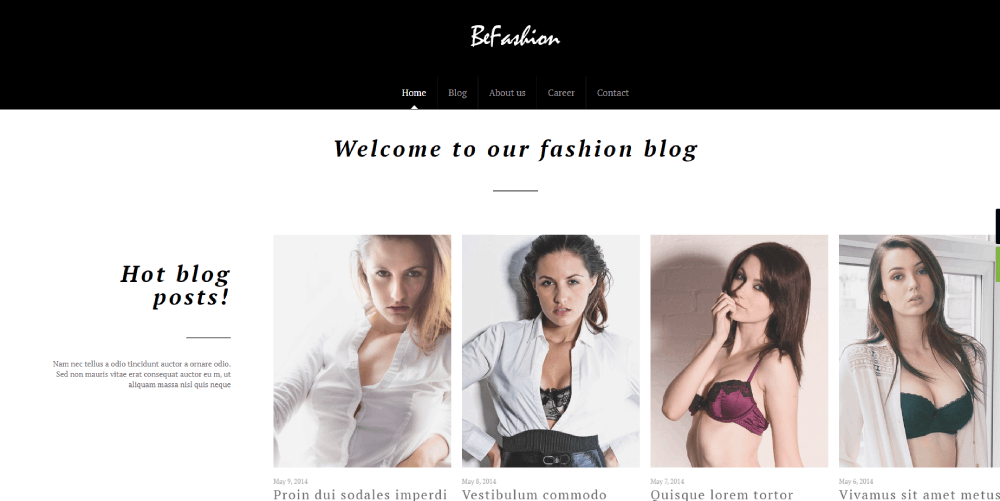
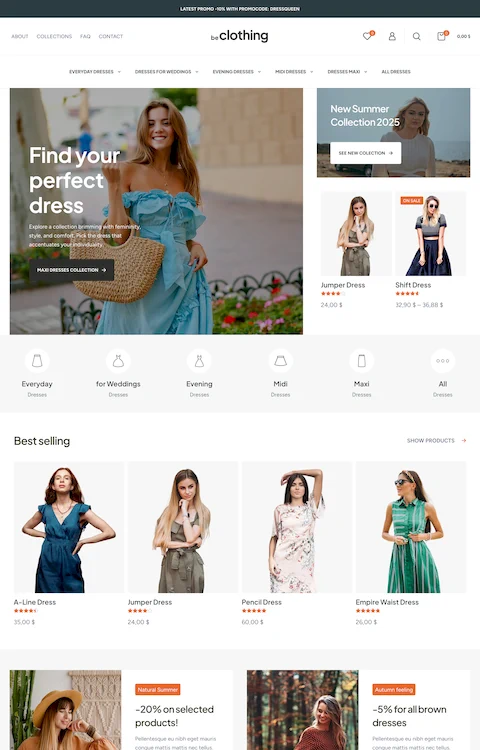
BE Clothing 2

Betheme
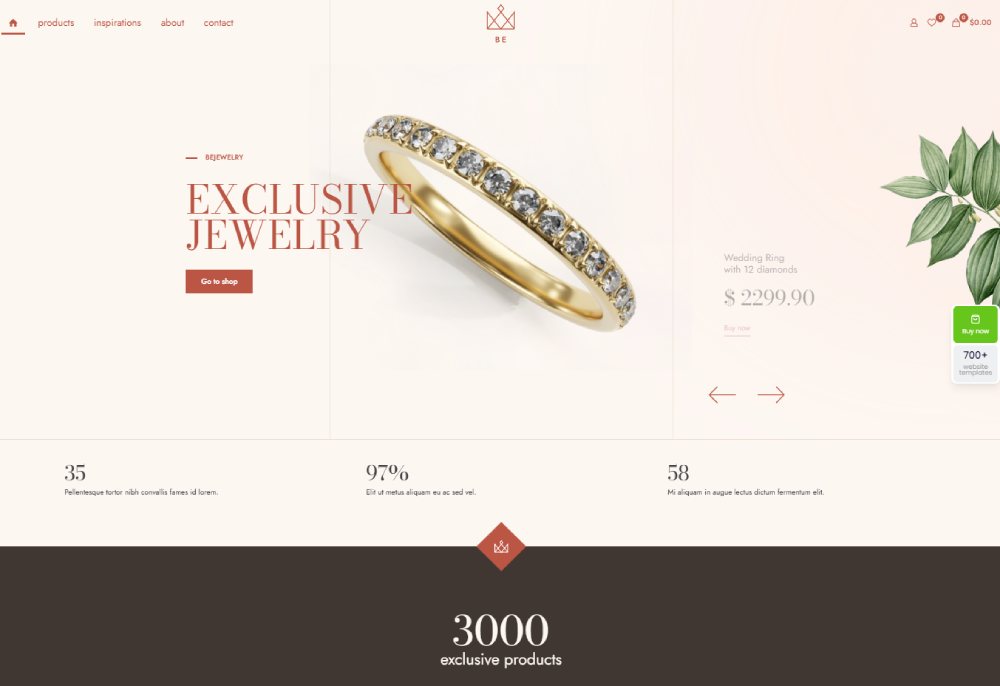
BE Mall
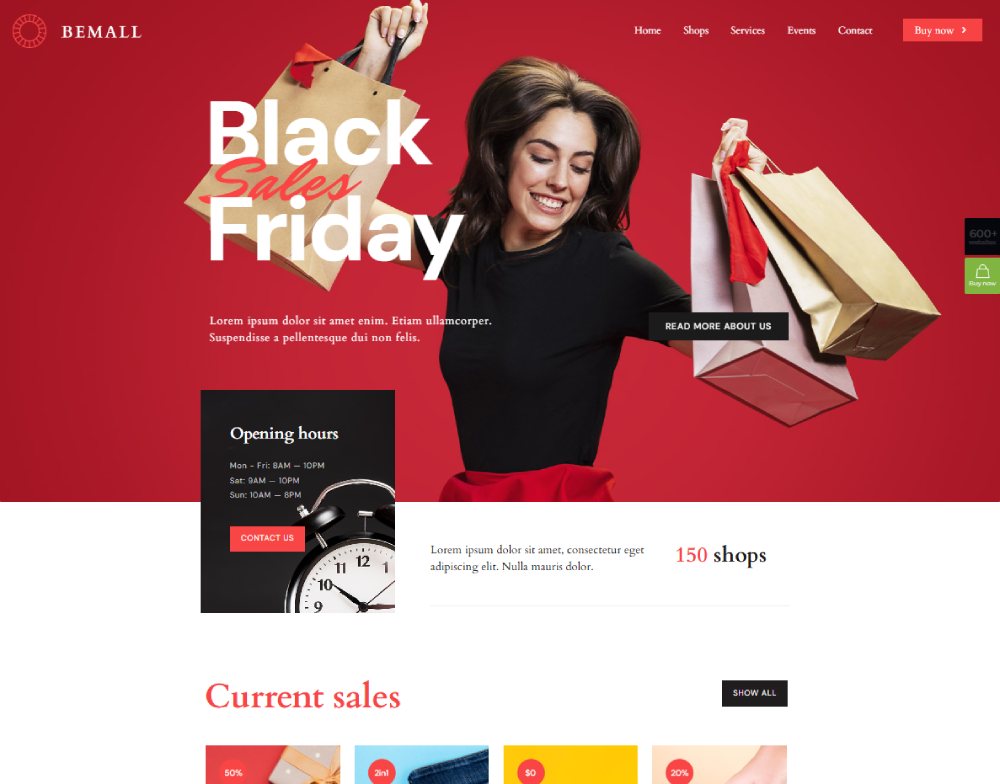
Moderno
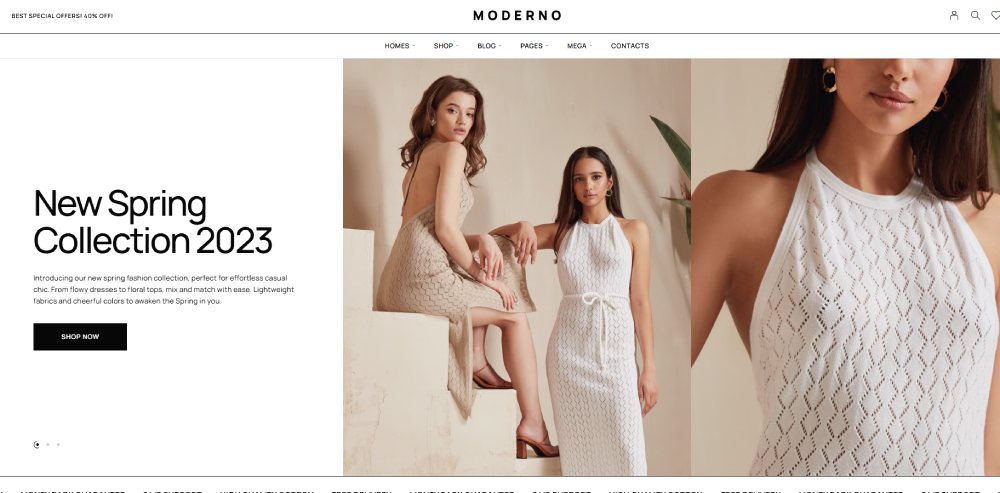
Nooni
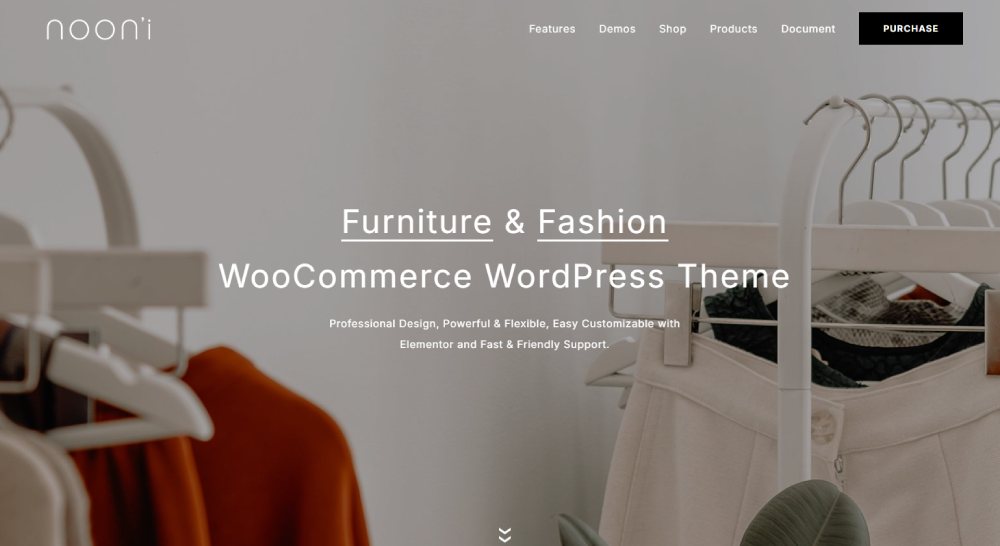
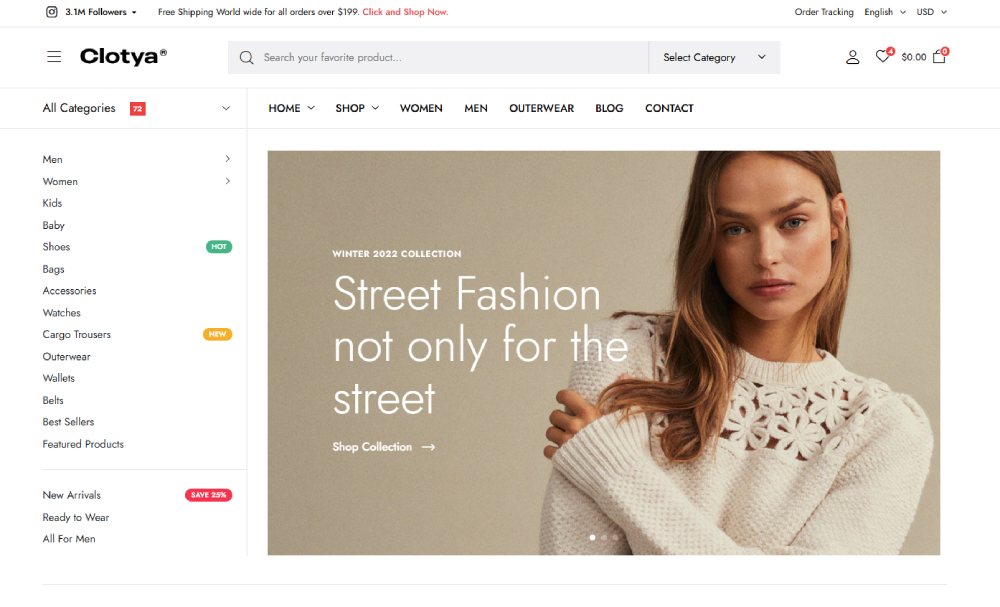
Clotya
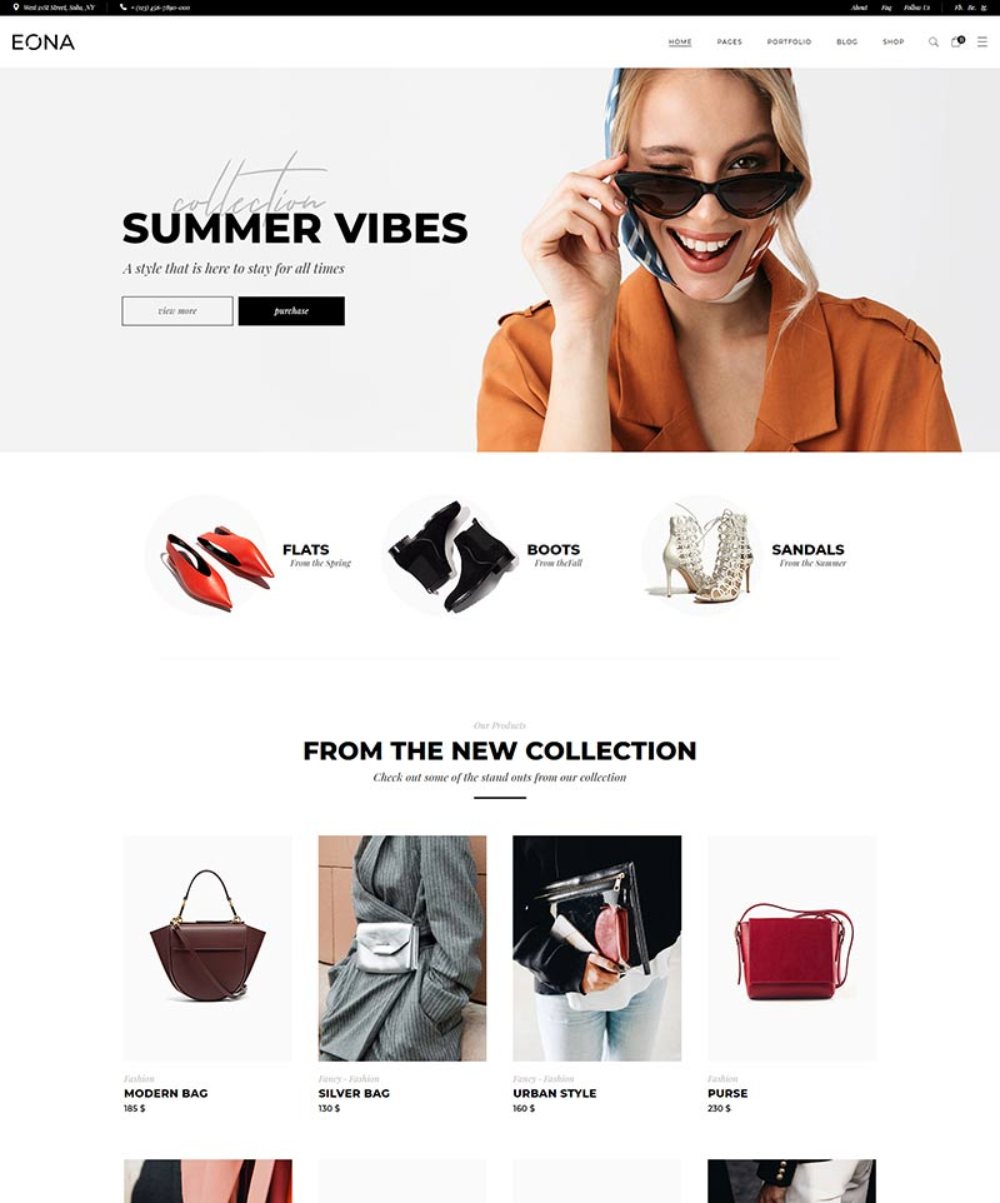
Eona
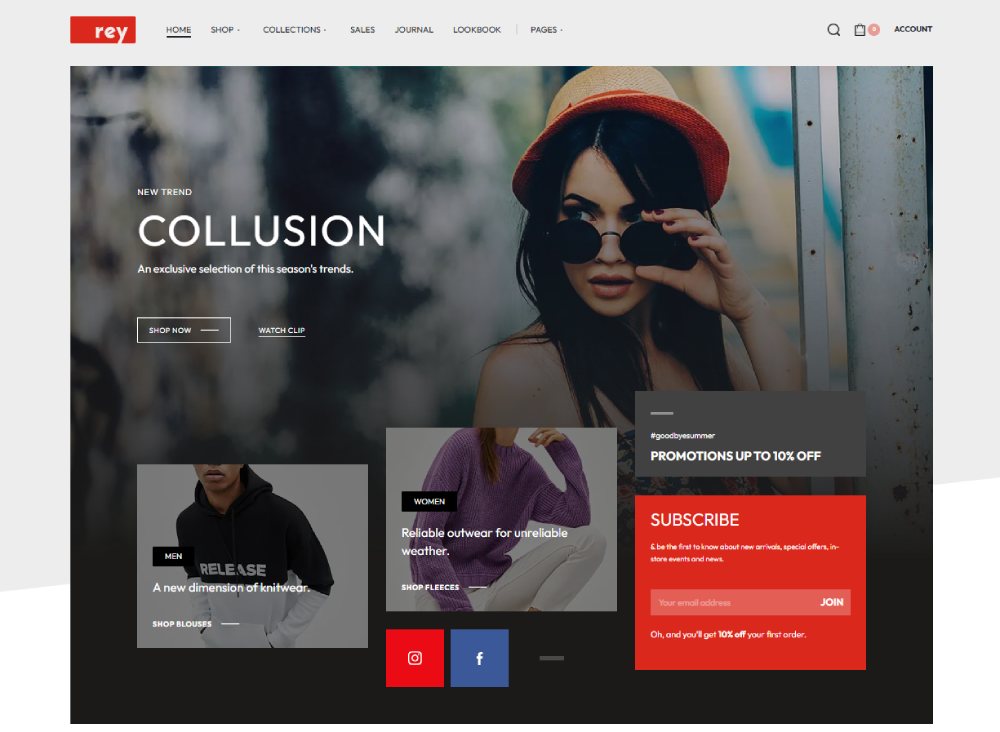
Rey
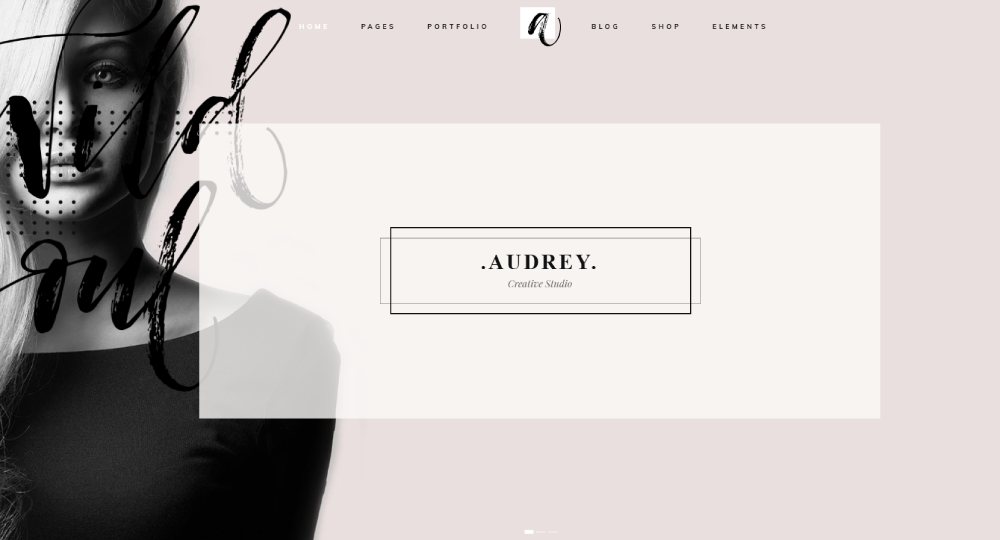
Audrey
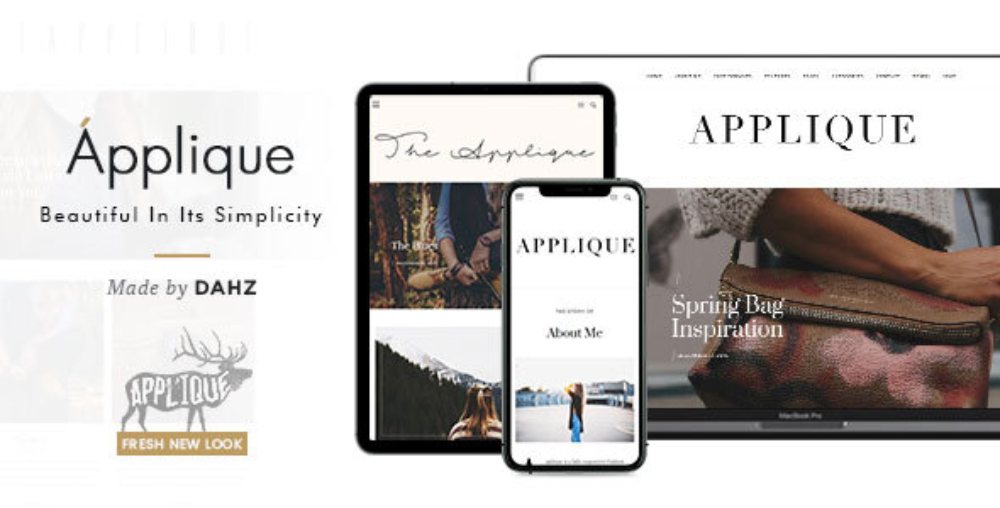
Applique
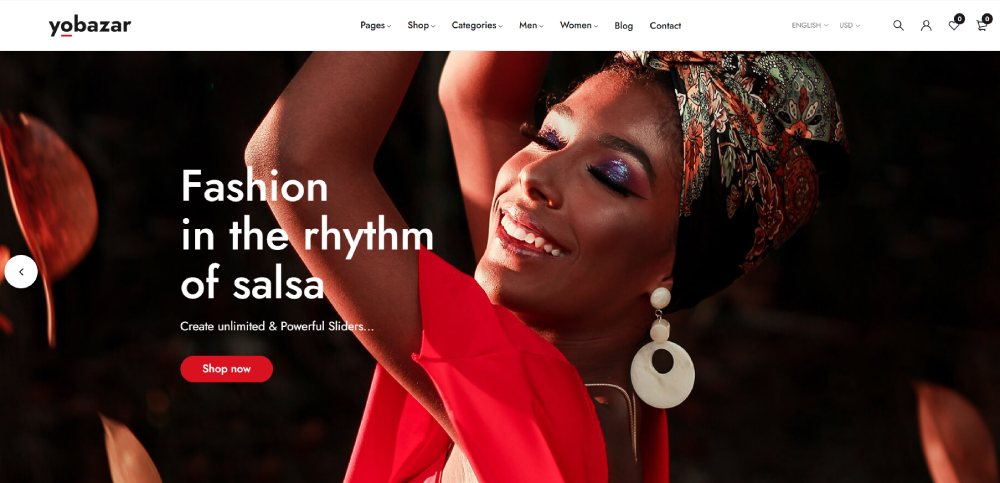
Yobazar
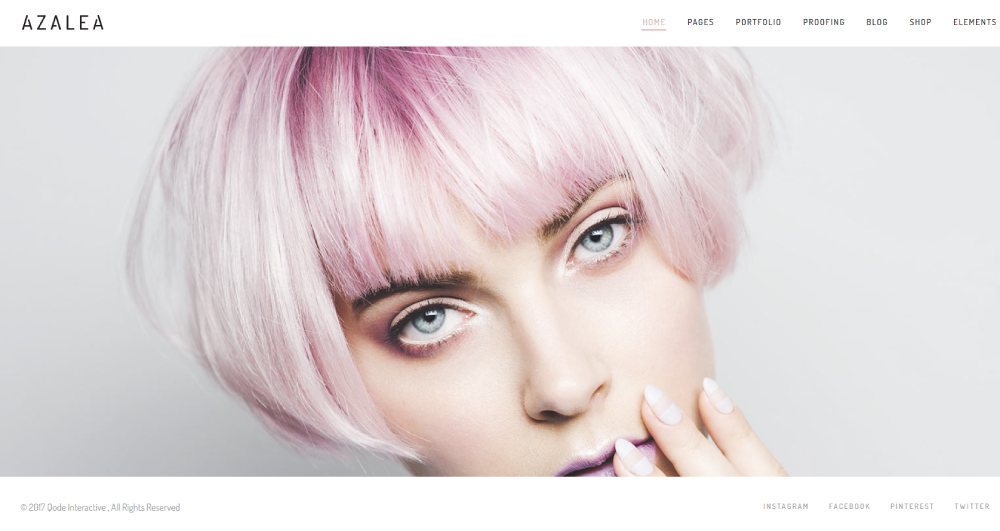
Azalea
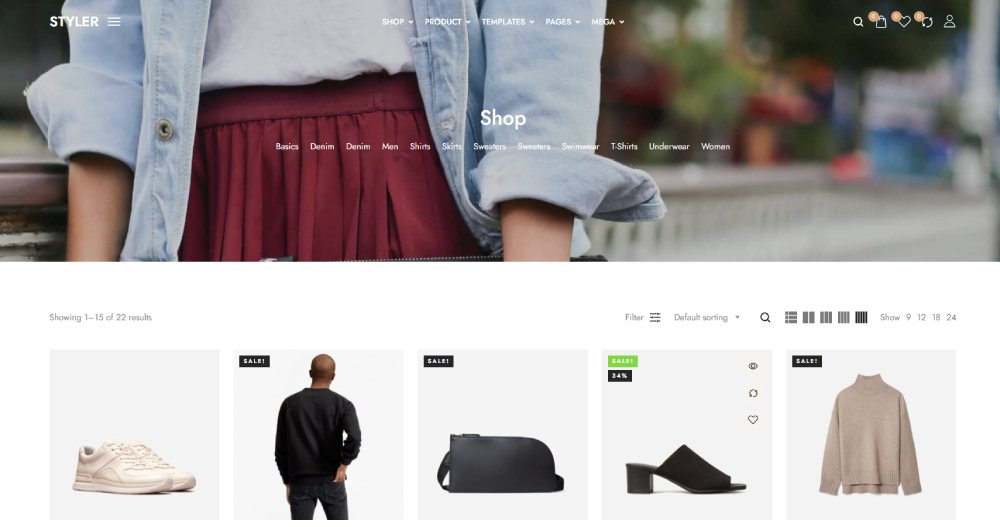
Styler
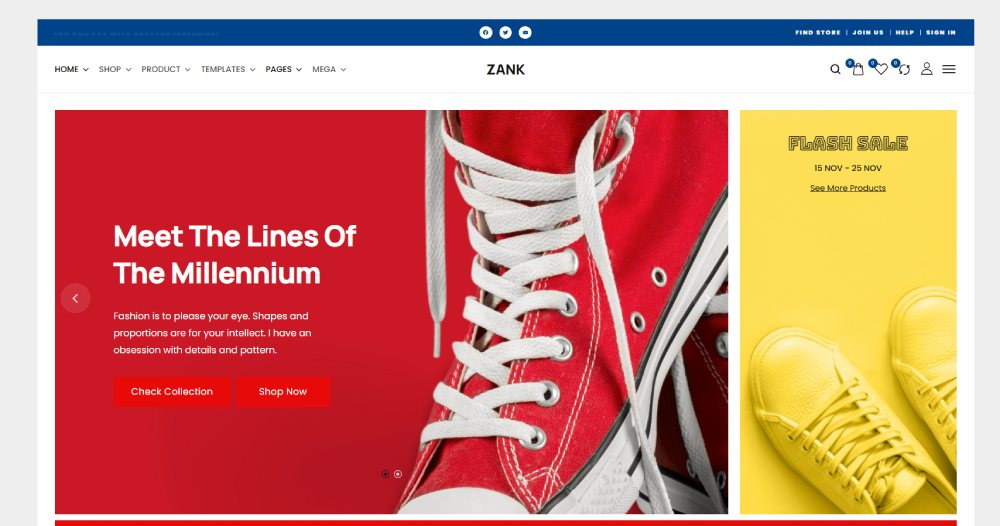
Zank
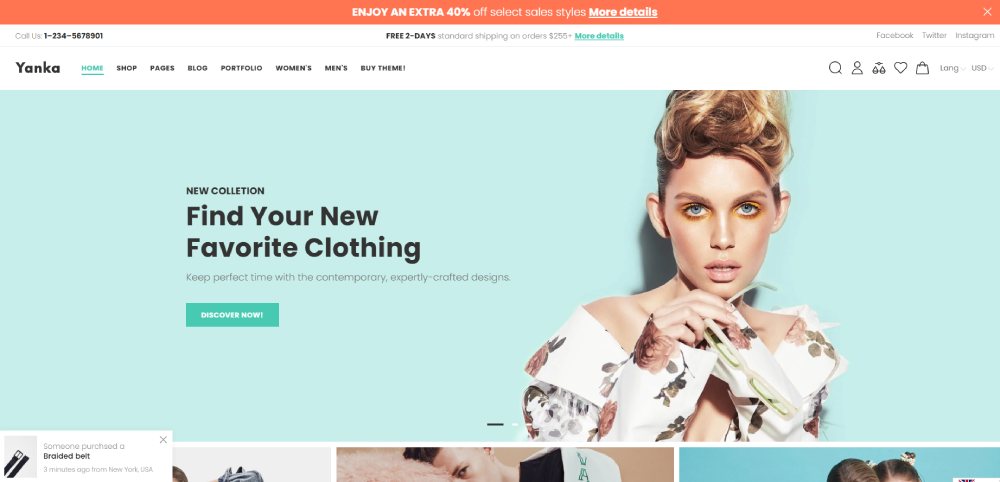
Yanka
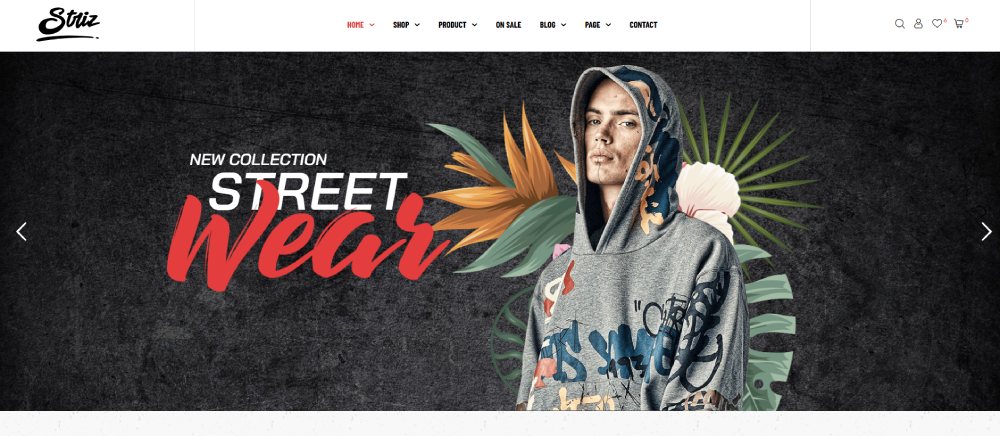
Striz
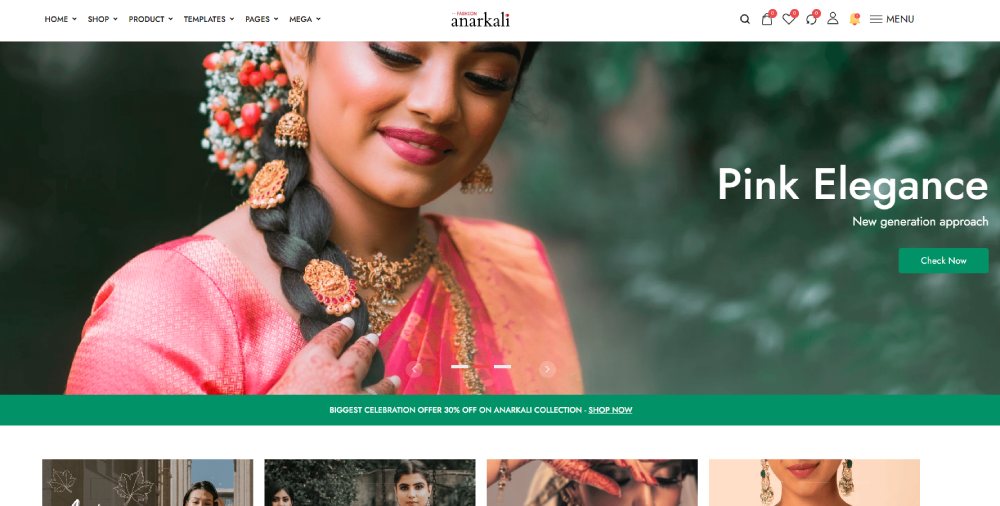
Anarkali
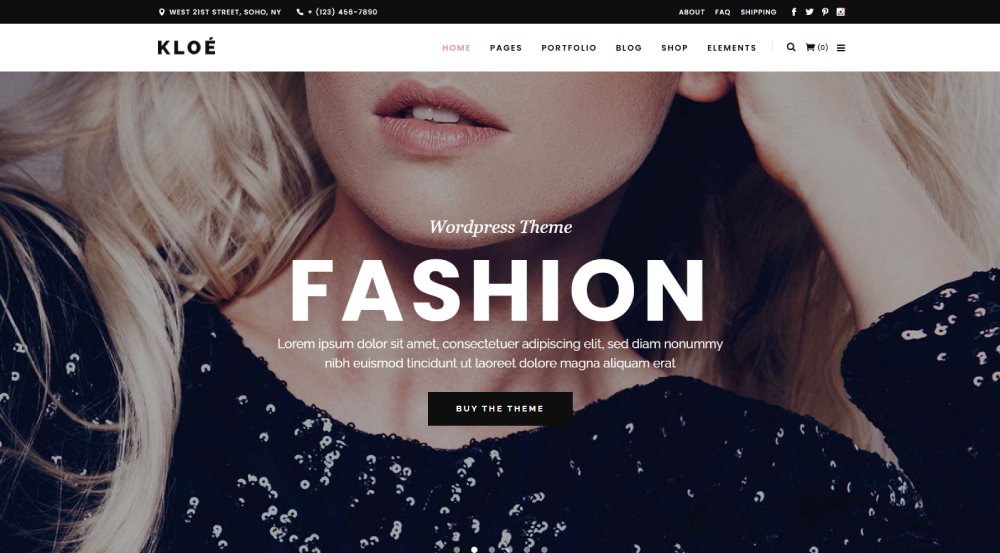
Kloe
What to Look for in a Fashion Website Template
Picking a fashion template based on how the demo looks is a mistake I've seen too many brand owners make. The demo always looks perfect because it uses $5,000 worth of professional photography.
What matters more is the structure underneath.
Visual Hierarchy and Product Photography Support
Fashion is visual. If the template can't display product images at full impact, it is the wrong template.
Look for full-bleed image sections, flexible grid density options, and generous use of white space. These are the elements that let your photography breathe instead of getting squeezed into tiny thumbnails.
The hero section on a fashion site carries a lot of weight. It sets the mood for the entire browsing experience. Templates with static, undersized hero areas will always feel flat compared to ones that support full-width lifestyle imagery or autoplay video.
According to Firework research, 46% of shoppers prefer viewing product videos before buying. A template that supports embedded video on product pages and landing sections has a measurable edge.
Mobile Responsiveness for Fashion Browsing
SellersCommerce data shows 81% of fashion ecommerce traffic comes from mobile devices. That number alone should dictate your template decision.
But "mobile responsive" is not enough. You need a template built with mobile first design thinking. Swipe-friendly product galleries. Sticky add-to-cart buttons. A checkout flow that does not require pinching and zooming.
Capital One Shopping research found that Americans aged 18 to 34 make up 79.6% of mobile clothing shoppers. If your template fumbles the mobile experience, you are losing your core audience before they even see a product.
Built-in Ecommerce Features vs. Plugin Stacking
Native features win. Templates that include size guides, color swatches, AJAX-powered product filtering, and quick-view modals out of the box will always perform better than ones that need five or six third-party plugins to do the same thing.
Every plugin you add increases page weight and introduces potential conflicts. It also means more maintenance. More updates to track. More things that can break after a platform update on a random Tuesday morning.
The best fashion ecommerce themes on Shopify and WooCommerce ship with wishlist functionality, product comparison tools, and Instagram Shopping integration already baked in.
Typography and Brand Identity
Good typography separates a luxury brand template from a fast-fashion one. That is not an exaggeration.
Check whether the template supports Google Fonts, custom font uploads, and flexible heading/body font pairings. A template locked into a single typeface gives you almost no room to express your brand's personality.
Serif fonts tend to read as editorial and high-end. Sans-serif fonts lean modern and clean. The template should let you mix and match without requiring custom CSS for every change.
Product Display and Gallery Options
There is a real difference between a template built for lookbook-style browsing and one designed for traditional product grids.
|
Feature |
Lookbook Style |
Traditional Grid |
|
Best for |
Editorial brands, capsule collections |
High-volume stores, multi-category shops |
|
Layout |
Magazine-inspired, story-driven |
Rows and columns, filterable |
|
Browsing feel |
Inspirational, curated |
Functional, search-driven |
|
SEO Strength |
High visual engagement/time-on-site |
High crawlability for many SKU pages |
Hover effects, zoom functionality, quick-view modals, and product video support should all work out of the box. If a template's product gallery feels clunky on the demo, it will feel worse with your own images.
Fashion Website Templates for Portfolios vs. Online Stores
The keyword "fashion website templates" covers two very different buyer intents. One person wants a photographer website to display editorial shoots. Another wants a storefront that processes credit cards and ships orders.
Picking the wrong type wastes weeks of setup time.
Portfolio Templates
Built for showing, not selling. These prioritize full-screen imagery, minimal navigation, and story-driven page structures. Think clean websites with generous spacing, large photo grids, and no shopping cart icons cluttering the header.
Fashion photographers, stylists, and modeling agencies land here. The goal is not to convert visitors into buyers. It is to get a callback, book a shoot, or land a brand partnership.
Squarespace and Webflow dominate this space because visual quality is baked into the platform. You do not need to fight the template to get it to look good.
Ecommerce Templates
Capital One Shopping research shows 43% of American consumers purchase clothing online. These buyers expect product filtering, size selectors, secure checkout, and real-time inventory status.
Ecommerce fashion templates are built around the transaction. Every design decision, from the website navigation structure to the call to action button placement, exists to move a visitor toward the cart.
Shopify and WooCommerce own this category. Their template ecosystems are built around product catalogs, payment gateways like Stripe and PayPal, and inventory management tools.
Hybrid Templates
Some templates try to do both. A lookbook page for brand storytelling paired with a full shop section for transactions.
Shopify themes like Prestige and Stiletto handle this reasonably well. On WordPress, page builders like Elementor let you create both portfolio-style and ecommerce pages under the same theme.
Fair warning: hybrid templates almost always compromise somewhere. The portfolio side feels less polished than a dedicated portfolio template. The shop side lacks some advanced filtering that a pure ecommerce theme would include. If your business clearly leans one direction, pick the specialized template.
How to Customize a Fashion Website Template Without Breaking It
Walmart redesigned its website in 2018 with a focus on cleaner layouts, larger product images, and personalized recommendations. The result was a 35% increase in ecommerce sales the following quarter, according to InboxArmy. Scale aside, the principle applies to every fashion site: smart customization drives revenue.
But most fashion brand owners break their templates before they improve them.
Start with Content, Not Design Tweaks
Drop in your actual product photos and copy before touching colors, fonts, or spacing. Templates are designed around specific content proportions. Changing the color scheme before loading real images means you are designing in a vacuum.
Your product photography dictates the mood. Let that inform your customization choices, not the other way around.
Typography Changes That Work vs. Ones That Break Things
Safe changes: Swapping heading fonts to match your brand identity. Adjusting font weight from regular to medium for better readability. Increasing body text size from 14px to 16px on mobile.
Risky changes: Using a decorative display font for body text. Loading five or six custom fonts (each one adds to page weight). Removing the template's built-in font pairing without understanding why those two fonts were chosen together.
Brands that invest in good typography see measurable improvements in time-on-site and perceived brand quality. But more fonts does not mean better. Two well-chosen typefaces from free font libraries like Google Fonts will cover most fashion sites.
Custom CSS Without Modifying Theme Files
Every major platform (Shopify, WordPress, Squarespace) has a custom CSS field. Use it.
Adding small overrides through the custom CSS input means your changes survive theme updates. If you edit the theme files directly, the next developer update can erase your work. Took me too long to learn that one.
Common Customization Mistakes on Fashion Sites
Magebit research found 83% of ecommerce websites make trust-signal mistakes that cost them sales. On fashion sites specifically, these are the problems I see most often:
- Overloading the homepage with auto-playing sliders and heavy animations that tank page speed
- Ignoring the mobile preview during customization (SellersCommerce data shows 81% of fashion traffic is mobile)
- Using stock photos that clash with the template's intended aesthetic and undercut brand credibility
- Installing too many apps or plugins that conflict with theme functionality and add seconds to load time
The best approach? Change as little as possible at first. Live with the template for a week. See where real friction exists for your actual visitors. Then fix those specific problems.
Fashion Website Template Performance and Page Speed
Fashion sites are some of the slowest on the web. Not because of bad code, but because of images. Lots and lots of high-resolution product shots, lifestyle photography, and lookbook galleries sitting on every single page.
Portent's research shows ecommerce sites loading in 1 second have a 3x higher conversion rate than sites loading in 5 seconds. On fashion sites, where visual quality is the whole selling point, the tension between beautiful imagery and fast load times is constant.
Why Fashion Templates Score Poorly on Core Web Vitals
The HTTP Archive's 2024 Web Almanac found that images account for nearly 50% of total page weight on the average website. On fashion sites, that number skews even higher because product galleries can easily contain 15 to 30 high-resolution photos per page.
Largest Contentful Paint (LCP) is where most fashion templates fail. That hero image or product banner at the top of the page? If it is a 2MB uncompressed JPEG, your LCP score is already in trouble.
Deloitte research found that a 0.1-second improvement in site speed increased retail conversions by 8.4%. On a fashion ecommerce site doing $100,000 a month, that could translate to $8,400 in additional revenue from a single performance tweak.
Image Formats That Work for Fashion Product Shots
|
Format |
Compression (vs. JPEG) |
Best For |
Browser Support |
|
AVIF |
~50% smaller |
High-detail photos, HDR, & transparency |
~95% (All major browsers) |
|
WebP |
~30% smaller |
General web use, broad compatibility |
~97% (Universal baseline) |
|
JPEG XL |
~60% smaller |
Professional photography, legacy re-coding |
90%+ (Recently restored to Chrome) |
|
JPEG |
Baseline |
Fallback for legacy systems / old IE |
100% |
FrontendTools data shows images are responsible for over 60% of total page weight on most websites. Switching from JPEG to WebP or AVIF is the single biggest speed improvement most fashion sites can make without changing anything else about their template.
AVIF delivers the best results for fashion photography because it handles fine detail and color gradients better at smaller file sizes. But WebP is safer for broad compatibility. The ideal setup uses AVIF as the primary format with WebP as a fallback.
Testing Tools and What Scores Actually Matter
Google PageSpeed Insights gives you both lab and field data. Focus on the field data (real user metrics) rather than the lab score. A lab score of 60 with good field data is fine. A lab score of 95 with no field data means nobody is visiting your site.
GTmetrix provides waterfall charts that show exactly which resources are slowing your page. Look for oversized images and render-blocking JavaScript. Those two account for the majority of fashion template speed issues.
Backlinko research found that the average page speed of a first-page Google result is 1.65 seconds. If your fashion template loads in 4 or 5 seconds, you are fighting an uphill battle for organic search visibility no matter how good your content is.
CDN Usage and Hosting
A Content Delivery Network caches your images at server locations closer to your visitors. For fashion sites serving customers globally, this makes a measurable difference.
Cloudflare offers a free CDN tier that handles most small to mid-size fashion stores. Shopify includes a built-in CDN on all plans. WordPress sites need to set this up separately, but options like Cloudflare, BunnyCDN, or KeyCDN take about 15 minutes to configure.
Hosting matters too. A fashion site on budget shared hosting will always be slower than the same site on managed WordPress hosting from WP Engine or a Shopify-hosted store. If you are serious about selling online, spending $25 to $50 a month on quality hosting is one of the best returns on investment you will find.
FAQ on Fashion Website Templates
What is a fashion website template?
A fashion website template is a pre-designed layout built for clothing brands, boutiques, and fashion portfolios. It includes features like lookbook galleries, size guides, and color swatches that generic business templates typically lack.
Which platform has the best fashion website templates?
Shopify leads for ecommerce-focused fashion stores with 226 paid themes and 13 free options. Squarespace is stronger for portfolio-style fashion sites. WordPress with WooCommerce gives you the most flexibility for content-heavy brands.
Are free fashion website templates good enough?
For small stores, yes. Shopify's Dawn theme is a solid free starting point. But free templates typically lack advanced product filtering, promotional tools, and dedicated developer support that paid options include.
How much do premium fashion templates cost?
Prices range from $59 to $350 depending on the platform and marketplace. Shopify Theme Store themes sit at the higher end. ThemeForest offers WooCommerce fashion themes starting around $59.
What features should a fashion ecommerce template include?
Look for color swatch selectors, size guide modules, AJAX-powered product filtering, quick-view modals, wishlist functionality, and mobile-responsive product galleries. These features directly affect how shoppers browse and buy clothing online.
Do fashion website templates work on mobile devices?
Most modern templates are responsive by default. But "responsive" and "mobile-optimized" are different things. With 81% of fashion ecommerce traffic coming from mobile, test swipe galleries, sticky cart buttons, and checkout flow on a phone before committing.
Can I customize a fashion template without coding?
Yes, on most platforms. Shopify, Squarespace, and Wix offer visual editors for layout, fonts, and colors. WordPress page builders like Elementor add drag-and-drop customization. Webflow gives pixel-level control without writing raw code.
What is the difference between a fashion portfolio template and an ecommerce template?
Portfolio templates focus on displaying imagery with minimal navigation. Ecommerce templates are built around product catalogs, shopping carts, and checkout flows. Some hybrid themes handle both, though they usually compromise on one side.
How does template choice affect page speed?
Heavily. Fashion sites are image-heavy, and bloated templates with excessive animations make things worse. Portent research shows sites loading in 1 second convert 3x higher than sites loading in 5 seconds. Always test a template's demo speed before buying.
Should I use Shopify or WordPress for a fashion website?
Shopify is simpler and handles ecommerce natively. WordPress with WooCommerce gives better blogging, SEO control, and content flexibility. Pick Shopify for pure selling. Pick WordPress if editorial content is part of your fashion brand strategy.
Conclusion
The right fashion website templates match your business model, not just your visual taste. A streetwear brand running limited drops needs different tools than a fashion photographer displaying editorial lookbooks.
Platform choice matters. Shopify handles high-volume apparel ecommerce well. WordPress with WooCommerce works better when blog content and SEO flexibility drive your growth strategy. Squarespace fits portfolio-first brands that prioritize image quality over catalog depth.
Speed and mobile performance are not optional anymore. With most fashion shoppers browsing on their phones, a slow or clunky template costs you real revenue.
Start with your content. Test on mobile. Keep customizations minimal until you understand where your visitors actually struggle. The best template is the one that gets out of the way and lets your product photography and brand identity do the selling.