The Top Mortgage Websites Design Examples
October 9, 2025
Stunning Examples of Furniture Website Templates
October 15, 2025Football clubs live and die by their digital presence now. Match tickets, merchandise sales, fan engagement—it all flows through the website.
Finding the right soccer website design examples saves weeks of guesswork when building your own club site or sports platform.
This guide breaks down what actually works. You'll see how Premier League giants like Manchester United and FC Barcelona structure their sites, which design patterns drive fan engagement, and what mistakes kill conversions.
We cover everything from player profile layouts to live score widgets, mobile optimization to merchandise store design.
Whether you're rebuilding a professional club website or launching a youth academy platform, these examples show exactly what separates amateur efforts from world-class football web design.
What is Soccer Website Design
Soccer website design is the process of building digital platforms for football clubs, leagues, and sports organizations.
These sites serve fans who want match scores, player stats, ticket purchases, and team news.
A well-built soccer club website combines team branding with functional features like fixture lists, live score widgets, and merchandise stores.
The design approach differs from other industries because it handles real-time data, passionate audiences, and match day traffic spikes.
Organizations like FIFA, UEFA, and the Premier League set visual standards that influence how smaller clubs present themselves online.
Whether you're building for La Liga, MLS, or a local youth academy, the core principles stay the same: clear navigation, fast loading, and mobile-first layouts.
Soccer Website Design Examples
Women in Soccer
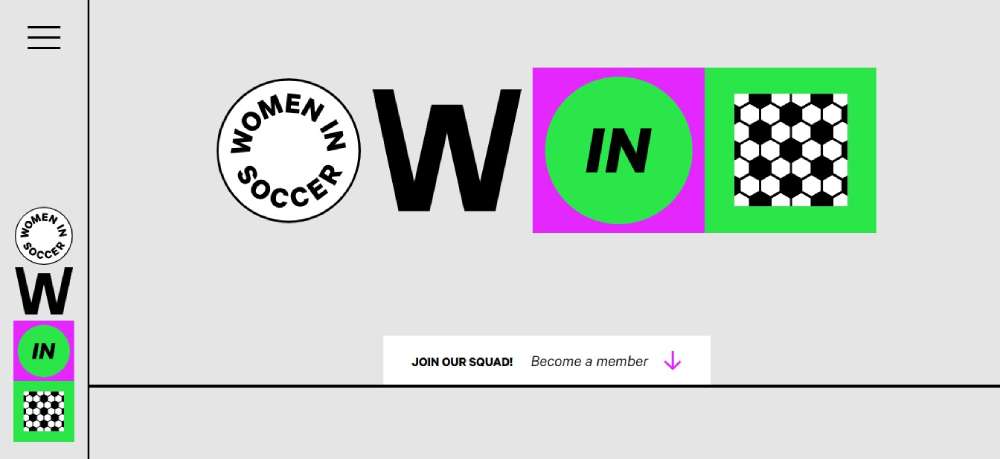
GOALS

FC Barcelona
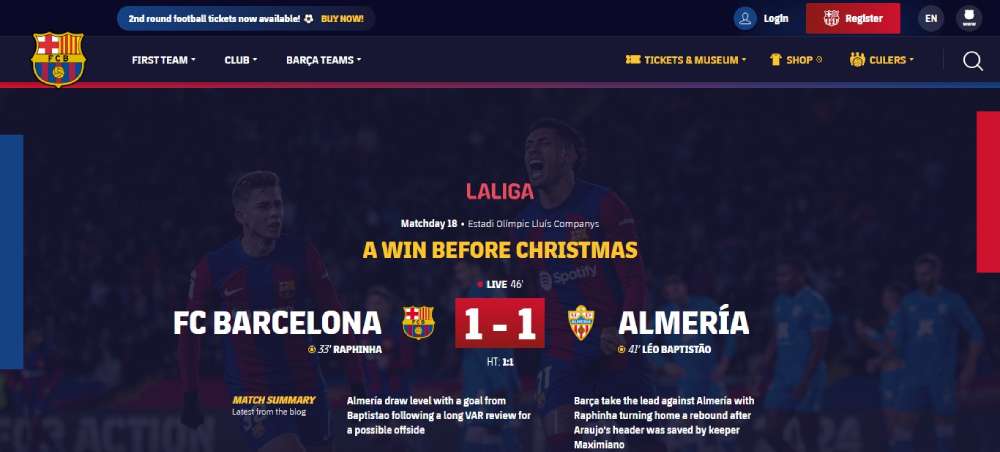
Befootball2
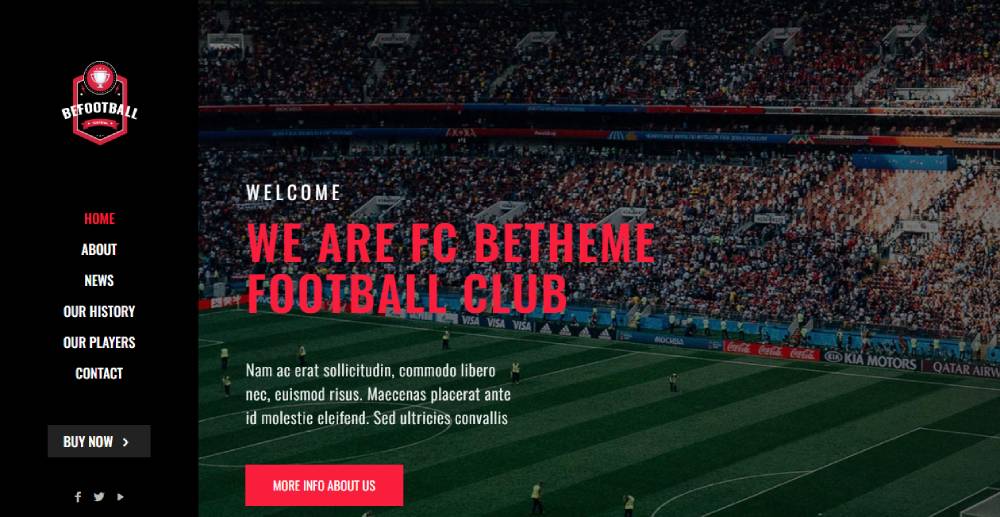
101 Great Goals
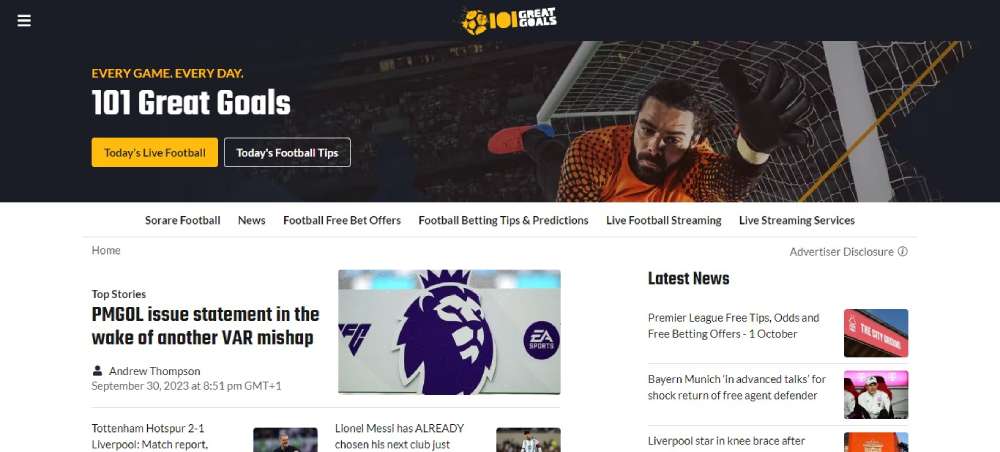
Thibaut Courtois

All Football Everything

PSV Eindhoven Legends Lounge

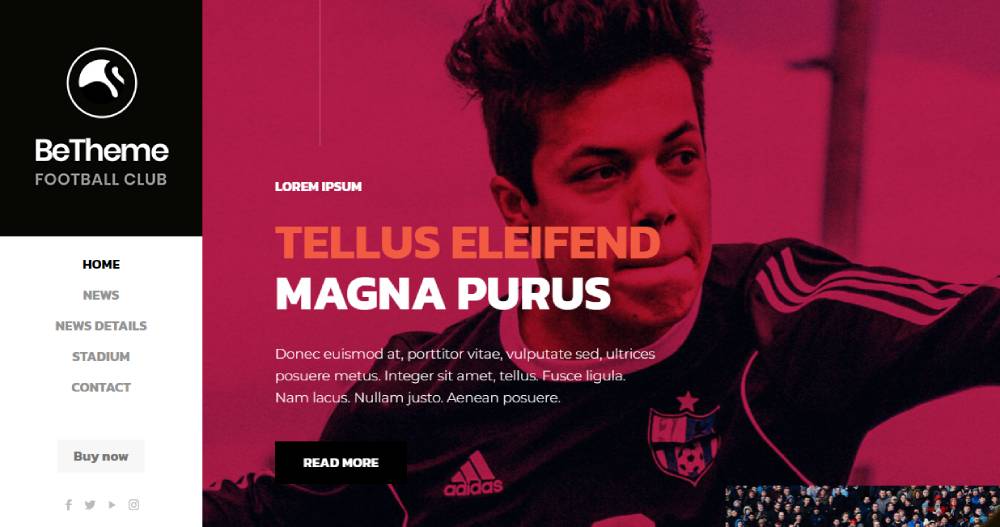
Befootball
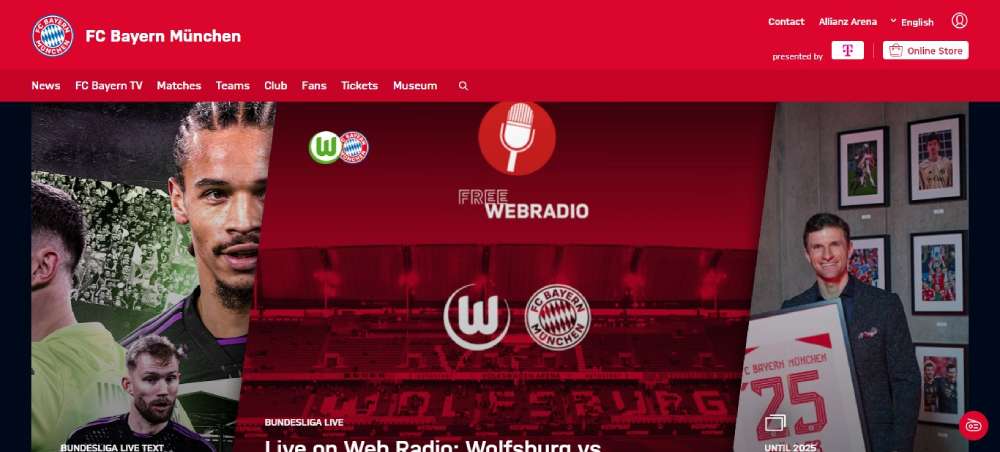
Bayern Munich
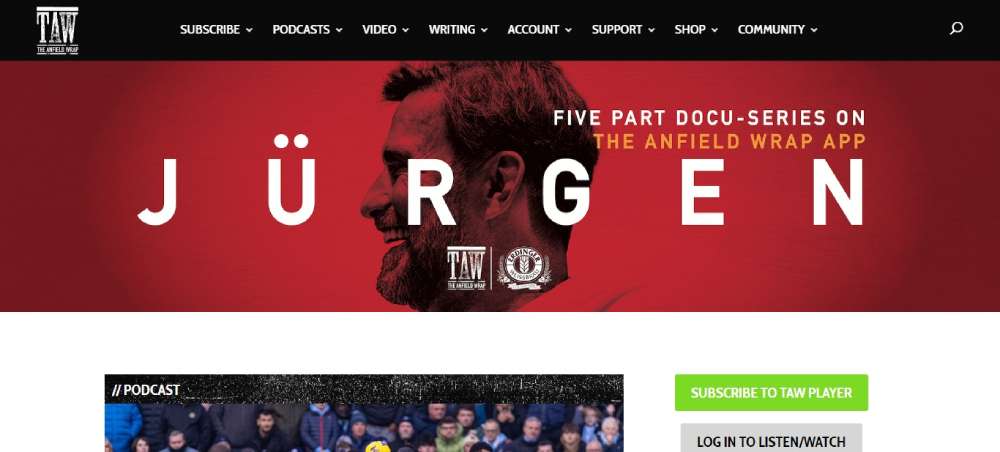
The Anfield Wrap
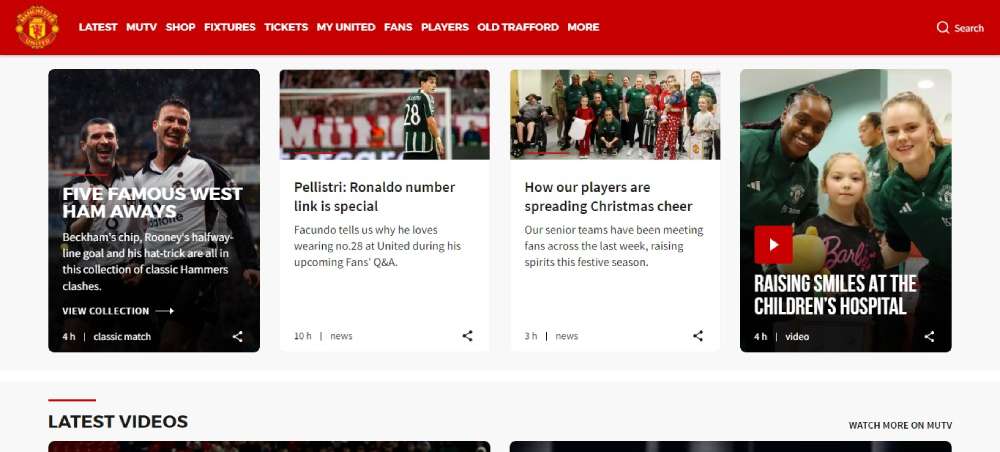
Manchester United
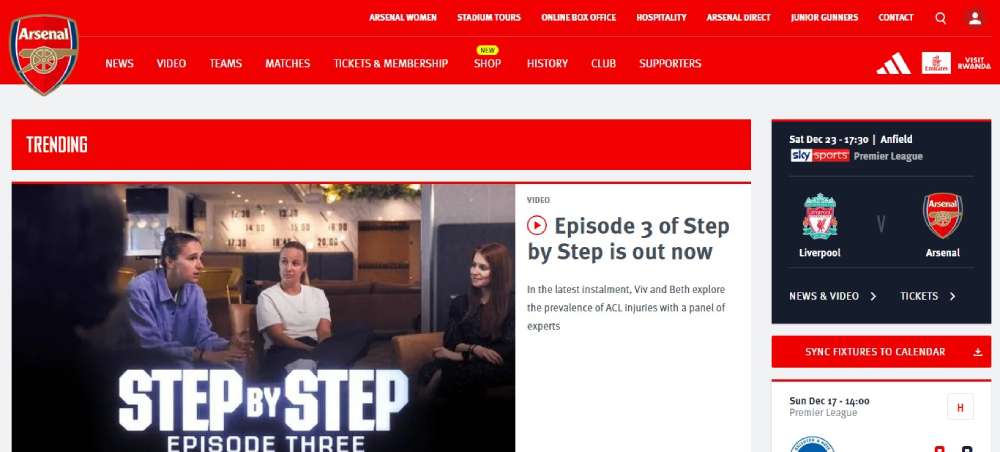
Arsenal
BeSport

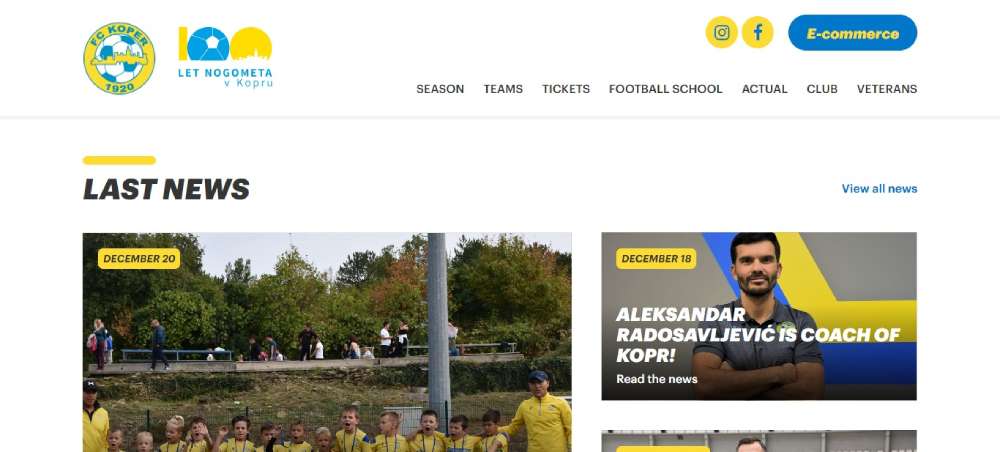
FOOTBAL CLUB KOPER
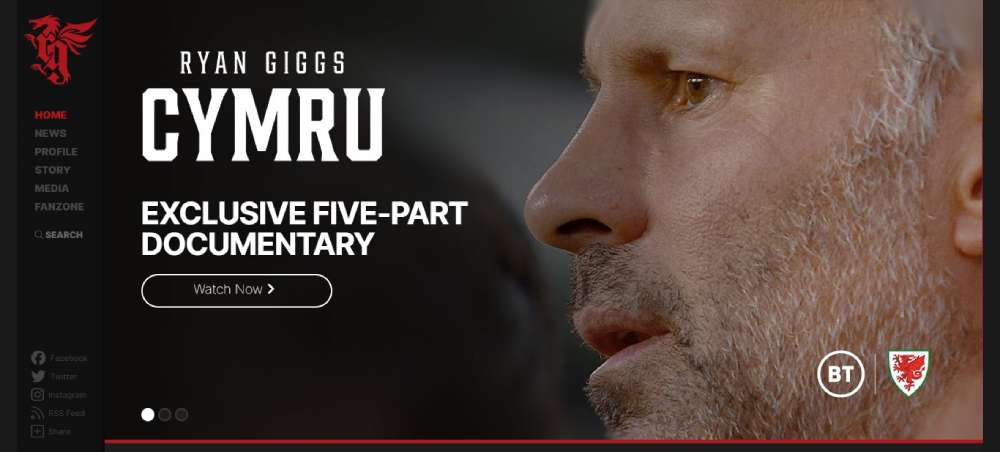
Ryan Giggs
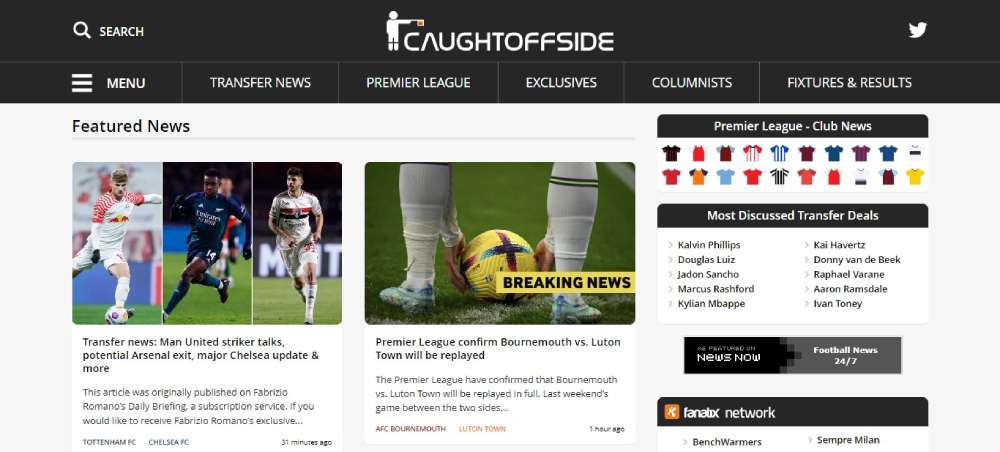
Caught Off Side
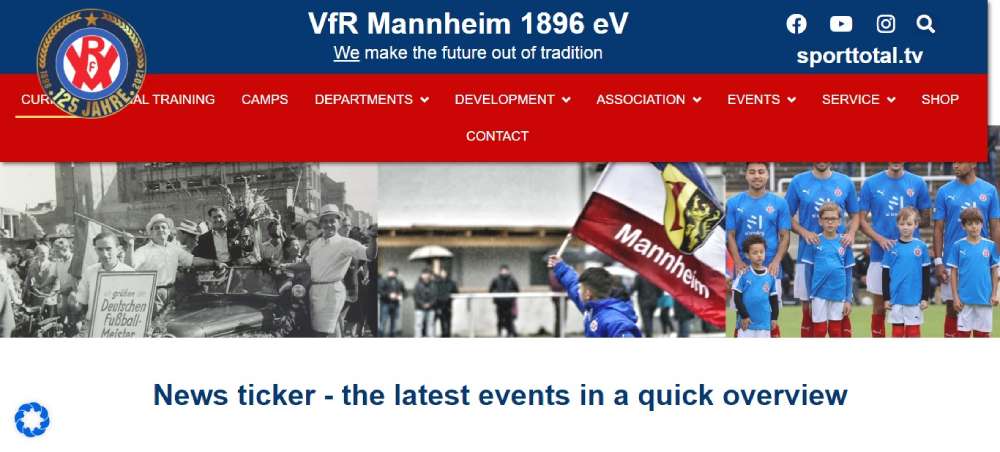
VfR Mannheim
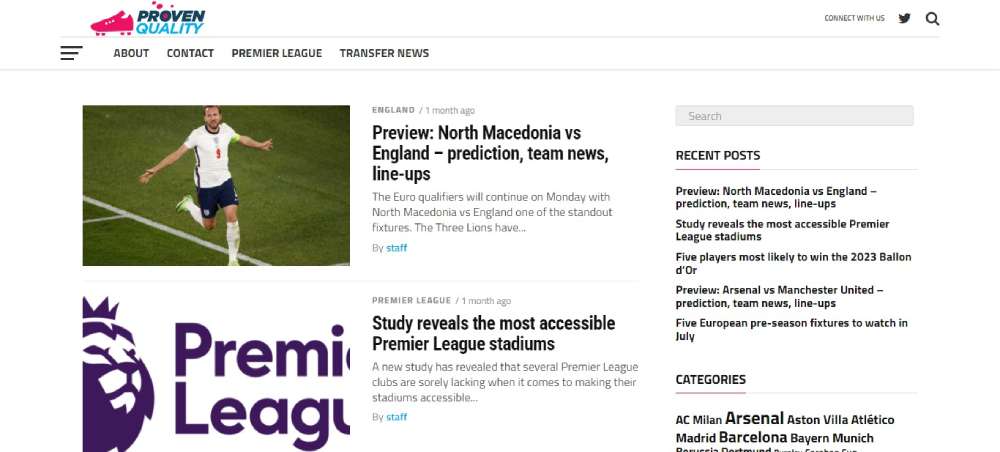
Proven Quality
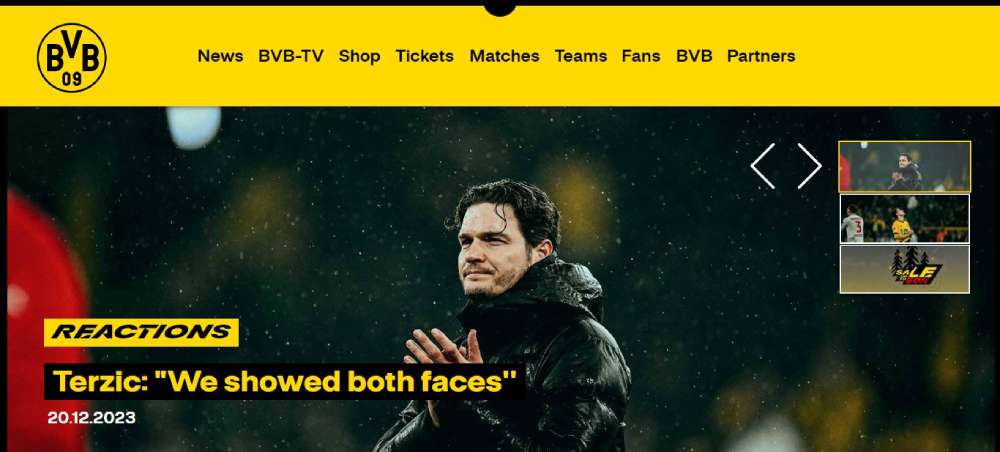
Borussia Dortmund
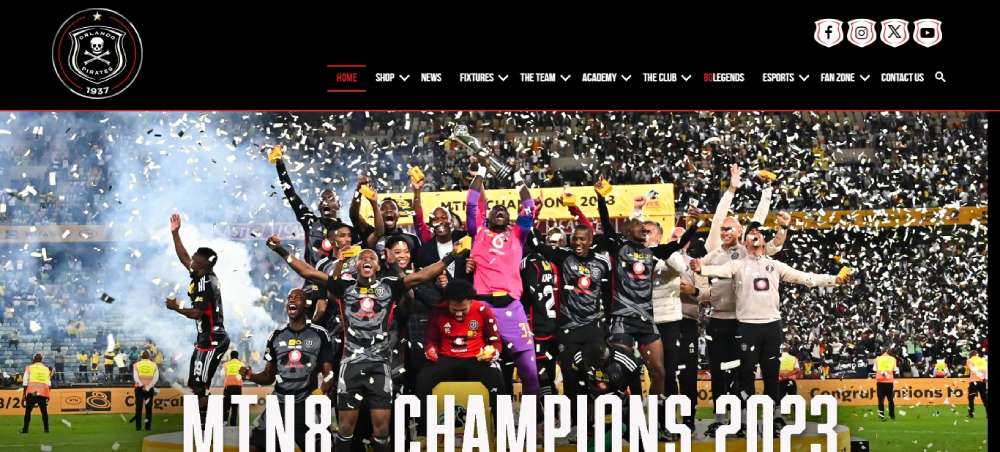
Orlando Pirates F.C.
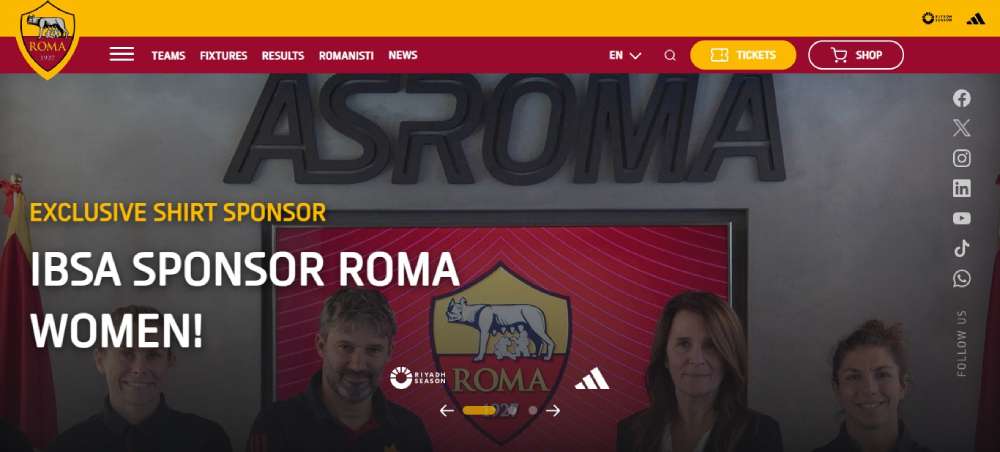
AS Roma
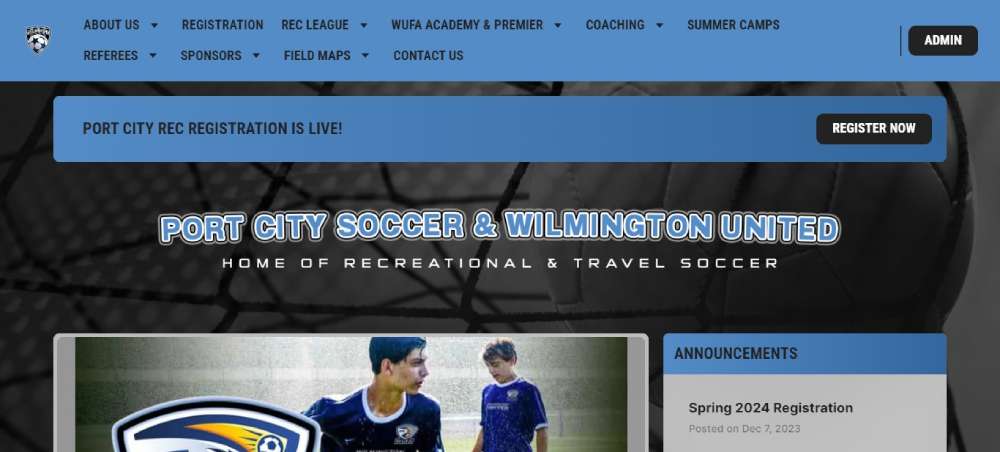
Port City Soccer
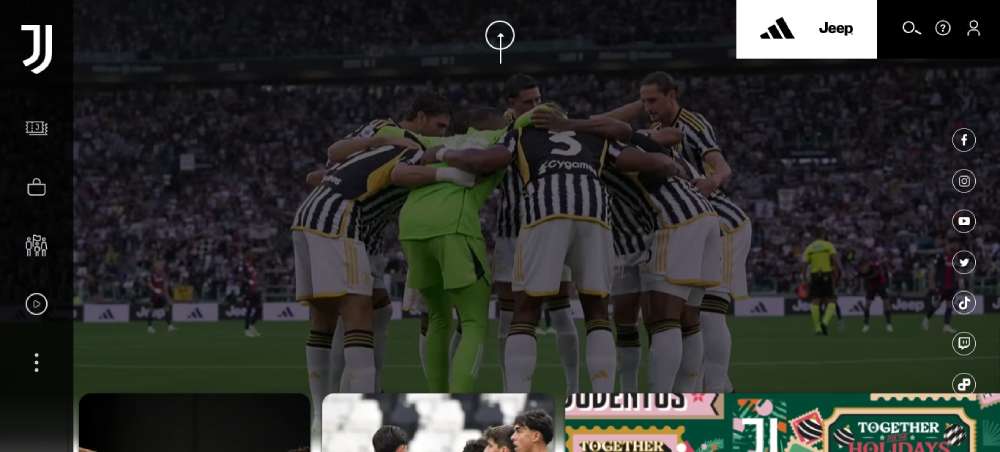
Juventus
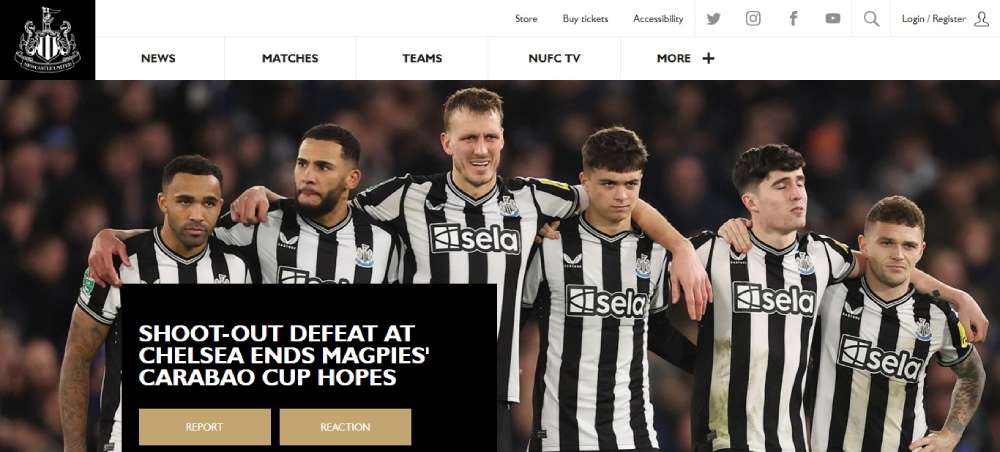
Newcastle United
How Do Soccer Websites Differ From Other Sports Websites
Football sites carry specific visual DNA that separates them from basketball, baseball, or tennis platforms.
The differences show up in color usage, content structure, and how fans interact with the site during live matches.
Visual Identity and Branding Elements in Soccer Sites
Club colors dominate every pixel. Manchester United uses red and white across headers, buttons, and backgrounds; FC Barcelona layers blue and garnet throughout their digital presence.
Crests and badges appear prominently, often animated in the hero section.
Stadium imagery, trophy cabinets, and player action shots create emotional connections that other sports websites rarely match.
Navigation Patterns Used by Soccer Websites
Match center links sit at the top. Ticket sales get prime placement. News feeds update constantly during the season.
Most clubs use mega menus to organize sections: First Team, Academy, Women's Team, Fixtures, Shop.
The website navigation prioritizes what fans need most on match days.
Content Sections Common to Soccer Website Layouts
Every professional club website includes these core sections:
- Match center with live scores and statistics
- Player profiles with career stats and biography
- Fixture calendar with ticket purchase options
- News and video highlights
- Official merchandise store
- Fan membership portal
League sites like Serie A and Bundesliga add standings tables, transfer news, and broadcast schedules.
What Makes a Soccer Website Design Effective
Effective football web design balances visual impact with practical function.
Fans visit for information, not just inspiration.
User Experience Considerations for Soccer Fans
Supporters arrive with specific goals: check the score, buy tickets, watch highlights, purchase the new kit.
Sites with good UX put these actions within two clicks of the homepage.
Cluttered layouts frustrate users; clean interfaces with proper white space keep them engaged.
Mobile Responsiveness for Match Day Usage
Over 70% of match day traffic comes from phones. Fans check lineups at the stadium, scores on the commute, highlights before bed.
Responsive websites aren't optional for football clubs.
Touch-friendly buttons, readable text without zooming, and fast-loading images define the mobile first design approach that top clubs follow.
Speed and Performance Requirements
When Real Madrid scores in the Champions League final, millions hit refresh simultaneously.
Core Web Vitals matter here. Google PageSpeed scores affect both rankings and fan satisfaction.
Image optimization, CDN usage, and efficient code keep load times under three seconds even during traffic surges.
Types of Soccer Websites
The football digital space includes several distinct website categories, each with different design requirements and audience expectations.
Club Official Websites
Primary digital home for teams from Manchester United to your local Sunday league.
These sites handle everything: news, tickets, merchandise, membership websites functionality, and sponsor visibility.
League and Tournament Websites
UEFA, MLS, and national federations run centralized platforms covering multiple teams.
Standings tables, fixture grids, and broadcast information take priority over individual club content.
Soccer News and Media Websites
ESPN, Sky Sports, and Transfermarkt focus on breaking stories, transfer rumors, and match analysis.
News websites in football need fast publishing workflows and strong content management systems.
Soccer Merchandise and E-commerce Websites
Kit launches drive massive traffic. Adidas and Nike run dedicated football stores alongside club-operated shops.
Product pages need size guides, player customization options, and call to action buttons that convert browsers into buyers.
Fantasy Soccer and Betting Platforms
Fantasy Premier League, SofaScore, and WhoScored serve data-hungry fans who track stats obsessively.
These platforms prioritize statistics dashboards, player comparison tools, and real-time data feeds over visual flair.
Soccer Training and Academy Websites
Youth academies and coaching programs need different features: class schedules, registration forms, and parent portals.
Form design matters here. Sign-up flows should be simple enough for busy parents to complete on their phones.
How to Choose a Soccer Website Design Style
Your design direction depends on club size, budget, and what fans actually need from the site.
Match Day Information Presentation
Live scores need real-time updates without page refresh; lineups should display clearly on mobile screens during stadium visits.
Player Profile Page Layouts
Statistics from Opta Sports, career history, and action photography. Contract status and transfer news for bigger clubs.
Schedule and Fixture Display Methods
Calendar views work for season-long planning; list views suit fans checking the next few matches.
Score and Statistics Integration
SofaScore and WhoScored style data presentation builds credibility with stats-focused supporters.
Ticket Purchase Flow Design
Seat selection maps, pricing tiers, and checkout should complete in under four steps. Abandoned carts kill revenue.
Soccer Website Design Elements
Specific visual components define professional football web presence.
Color Schemes Used in Soccer Web Design
Club colors first, always. Secondary palettes need contrast for readability.
Color theory matters when red text sits on red backgrounds; plenty of clubs get this wrong.
Typography Selections for Soccer Websites
Bold sans-serif fonts dominate. Typography choices should handle player names, match scores, and long-form articles equally well.
Hero Section Layouts for Soccer Sites
Full-width stadium shots, star player imagery, or match highlights video. The hero sets emotional tone immediately.
Footer Structures in Soccer Website Design
Sponsor logos, social links, contact information, and legal pages. The website footer handles what doesn't fit in main navigation.
How to Create a Soccer Website
Building a football club site requires platform decisions, feature planning, and ongoing content strategy.
Platform Selection for Soccer Websites
WordPress powers most mid-tier clubs. Squarespace and Wix handle smaller organizations with limited budgets.
Enterprise clubs build custom solutions or use specialized sports website templates.
Template vs Custom Design Considerations
Templates save money upfront; custom builds offer unique branding and specific feature integration.
Check professional website templates before committing to expensive custom development.
Required Features for a Soccer Website
- Match center with fixtures and results
- Player roster with profiles
- News section with CMS integration
- Ticket booking system
- Merchandise store connection
- Social media feeds
- Contact and stadium information
Content Management Systems Popular Among Soccer Sites
WordPress dominates. Custom CMS solutions from agencies handle complex multi-language requirements for clubs like Barcelona and Bayern Munich.
Common Mistakes in Soccer Website Design
Avoid these errors that plague football club digital presence.
Overcrowded Layouts
Too many sponsors, news items, and CTAs fighting for attention. Bad design choices frustrate fans trying to find basic information.
Poor Image Optimization
High-resolution player photos slow page loads dramatically. Compress images; use WebP format; implement lazy loading.
Inconsistent Branding
Mixed fonts, off-brand colors, and outdated logos across different sections destroy professional appearance.
Difficult Navigation Structures
Buried ticket links and hidden fixture pages increase bounce rates. Check website navigation examples from top clubs.
FAQ on Soccer Website Design
What makes a good soccer website design?
Strong club branding with team colors, fast loading speeds, mobile responsiveness, and clear navigation to match centers, tickets, and merchandise. Sites need live score widgets, player profiles, and fixture displays that work during high-traffic match days.
Which platform works best for building a soccer website?
WordPress handles most football club sites effectively. Smaller organizations use Squarespace or Wix. Professional clubs like Manchester United and Real Madrid invest in custom-built solutions with specialized content management systems.
How much does a professional soccer website cost?
Basic templates start around $500. Mid-tier custom designs run $5,000-$15,000. Premier League and La Liga club websites cost $50,000+ with custom development, API integrations, and multi-language support included.
What features do soccer club websites need?
Match center with fixtures and results, player roster pages, news section, ticket booking system, merchandise store, membership portal, social media integration, and stadium information. Live score functionality ranks high for fan engagement.
How do I display live scores on a soccer website?
Integrate APIs from providers like Opta Sports or build custom JavaScript widgets. Data feeds update automatically without page refresh. Most clubs embed third-party solutions from SofaScore or similar platforms.
What colors work best for football website design?
Club colors always come first. Use primary team colors for headers and buttons, secondary colors for accents. Ensure sufficient contrast for readability. White or dark backgrounds help official colors stand out properly.
Should soccer websites use dark mode?
Yes, especially for evening browsing during night matches. Clubs like Juventus use dark themed designs effectively. Offering a toggle lets fans choose their preference without forcing one approach.
How important is mobile optimization for soccer sites?
Critical. Over 70% of match day traffic comes from mobile devices. Fans check lineups at stadiums, scores during commutes, and highlights before bed. Responsive design isn't optional for football websites.
What CMS do professional soccer clubs use?
WordPress powers mid-tier clubs. UEFA, FIFA, and top-tier organizations use custom content management systems. Bundesliga and MLS sites run on enterprise platforms handling multiple languages and real-time data feeds.
How do I make a soccer website load faster?
Compress images using WebP format, implement lazy loading, use CDN distribution, minimize JavaScript, and optimize Core Web Vitals scores. Match day traffic spikes demand fast servers and efficient code throughout.
Conclusion
These soccer website design examples prove that football clubs need more than just team colors and a logo slapped on a template.
The best sites from Serie A to MLS balance visual impact with functional performance.
Focus on what fans actually need: fast-loading match centers, intuitive ticket purchasing, responsive layouts for stadium browsing, and player statistics that update in real time.
Study how Borussia Dortmund handles fan engagement. Look at how Ajax integrates youth academy content. Pay attention to PSG's approach to luxury branding.
Your football website doesn't need a Bundesliga budget to succeed. It needs clear priorities, proper web design elements, and understanding of supporter behavior.
Start with the examples above. Adapt what works for your club's identity and audience.