


Top Examples of DJ Website Templates That Rock
December 28, 2025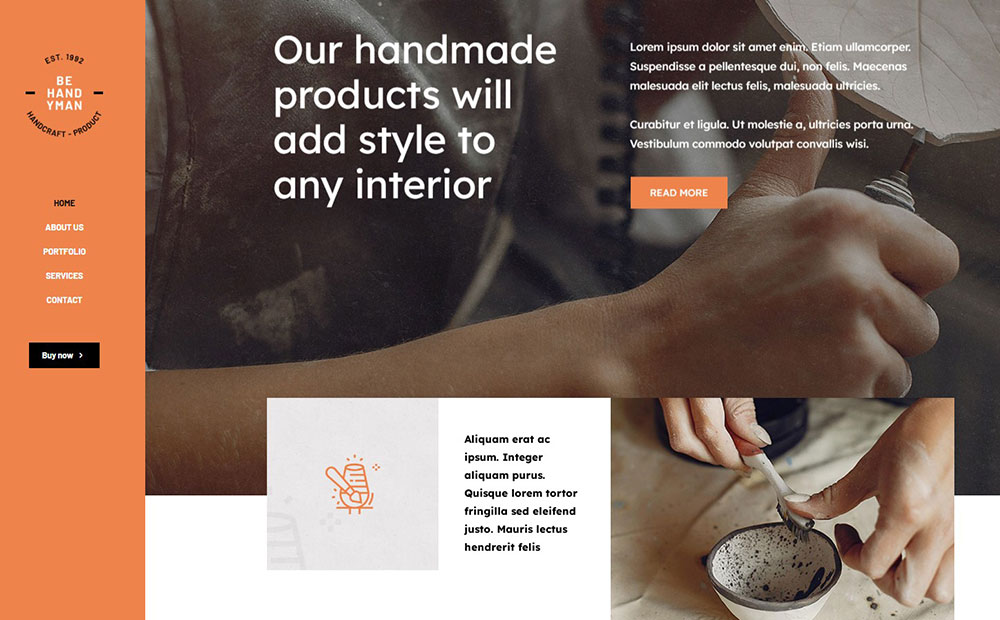
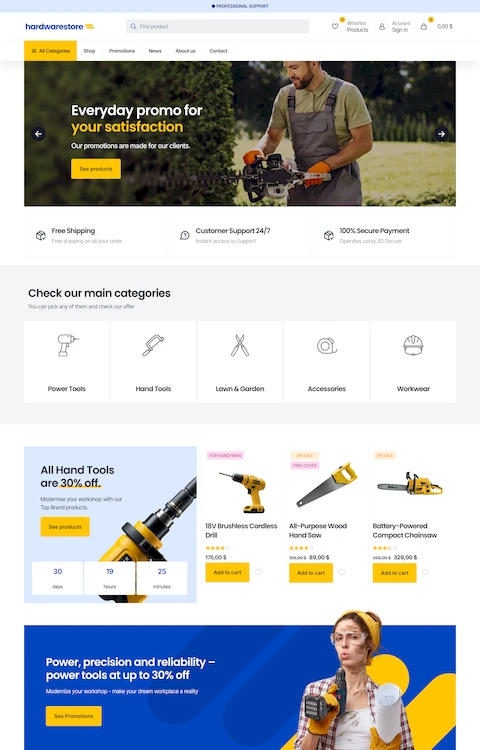
Top Handyman Website Design Examples
January 2, 2026Your website has about 50 milliseconds to make an impression. Aesthetic website templates give you a head start.
These pre-built designs combine visual hierarchy, intentional typography pairing, and cohesive color palettes into ready-to-customize packages for Squarespace, Webflow, WordPress, and Shopify.
But not all templates labeled "aesthetic" deliver. Some sacrifice usability for style. Others look dated within months.
This guide breaks down what separates genuinely aesthetic templates from generic alternatives. You'll learn the design characteristics that matter, which industries benefit most, how to evaluate templates before purchasing, and where to find options worth your budget.
No fluff. Just practical criteria for choosing templates that look good and actually work.
What is an Aesthetic Website Template
An aesthetic website template is a pre-designed web page theme built around visual harmony, intentional typography pairing, and cohesive color palette selection.
These templates prioritize visual hierarchy over function-first layouts.
They ship as ready-to-customize files for platforms like Squarespace, Webflow, WordPress, and Shopify.
Price ranges span from free options on ThemeForest to premium collections on Envato Elements and Creative Market exceeding $200.
Licensing models include single-use, multi-use, and extended commercial rights.
Core Components of Aesthetic Templates
Every aesthetic template includes a distinctive hero section, curated Google Fonts pairings, and intentional white space ratios.
Most bundle icon sets from sources like Lucide or Feather, plus image placeholders sized for Unsplash imports.
File Formats and CMS Compatibility
Formats vary: Figma files for custom builds, HTML5/CSS3 exports for static sites, native themes for WordPress and Wix.
Shopify and WooCommerce templates include ecommerce-ready product grids and checkout flows.
Examples of Aesthetic Website Templates
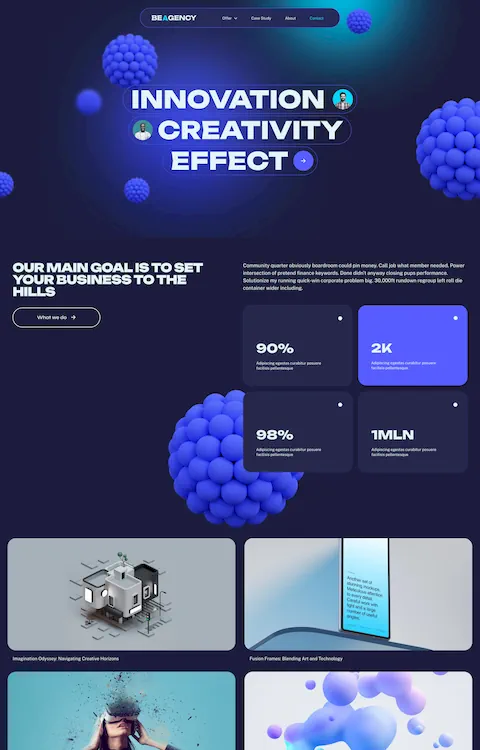
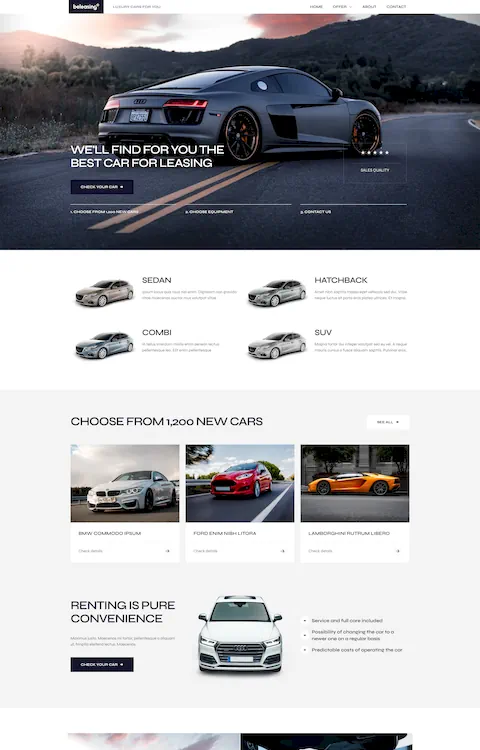
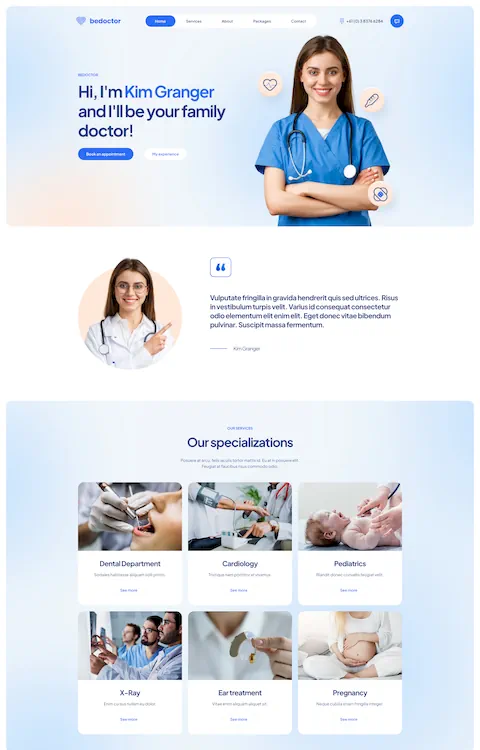
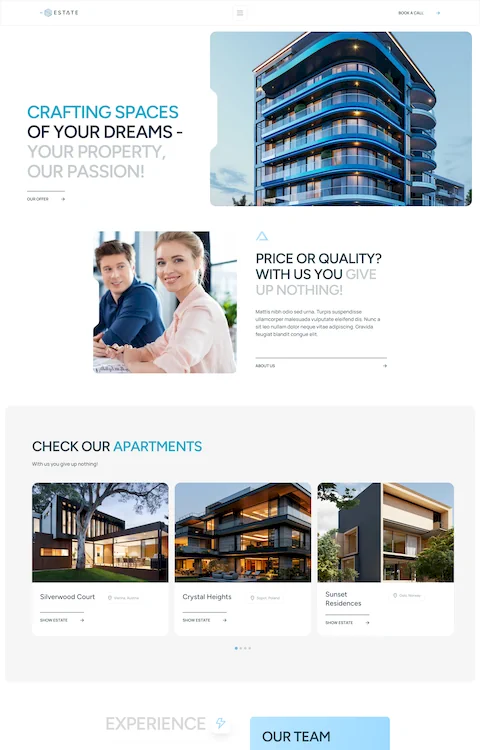
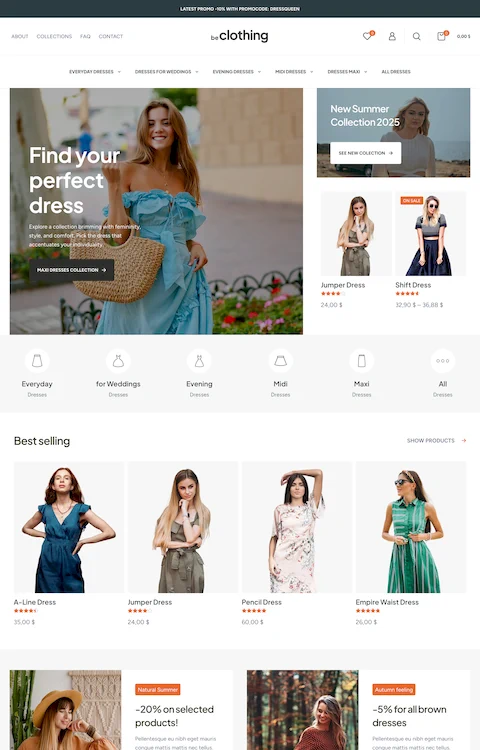
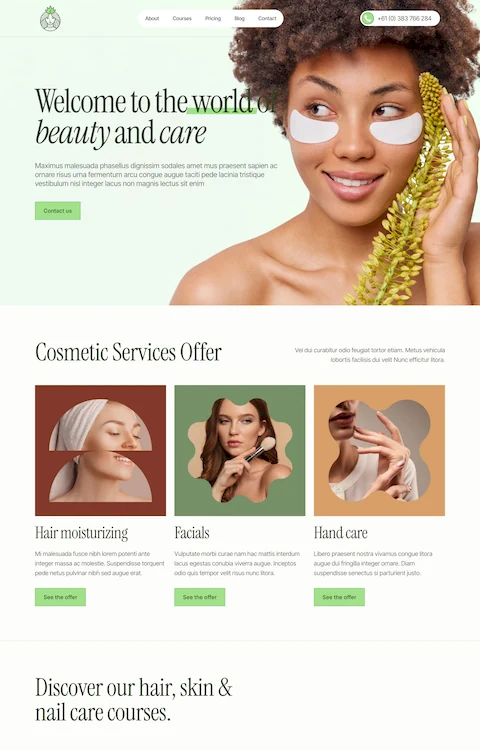
BE Beauty 6

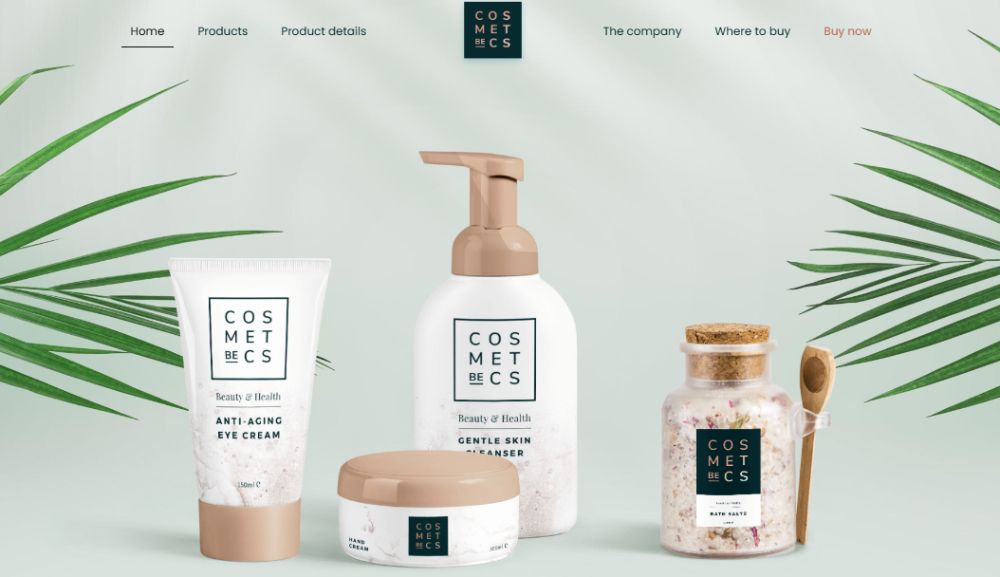
BE Cosmetics 2
BE Beauty 3
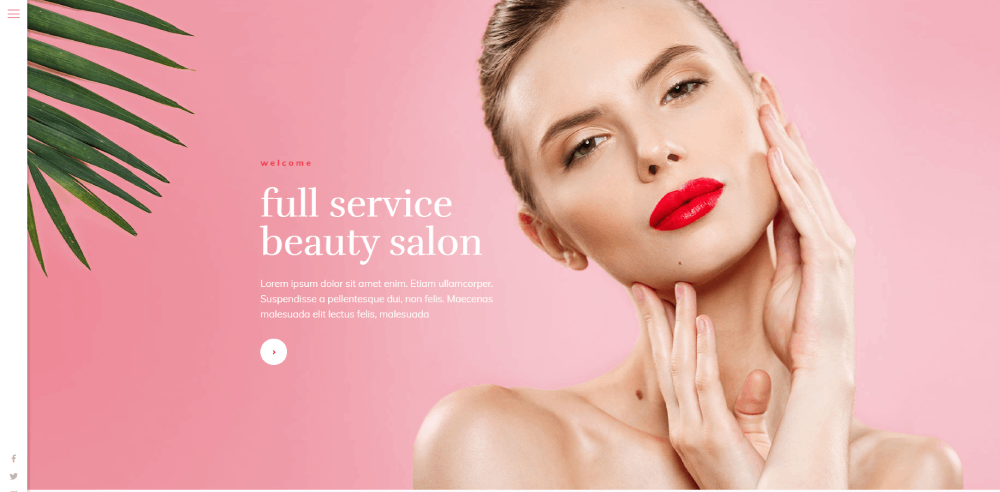
Bella Beauty

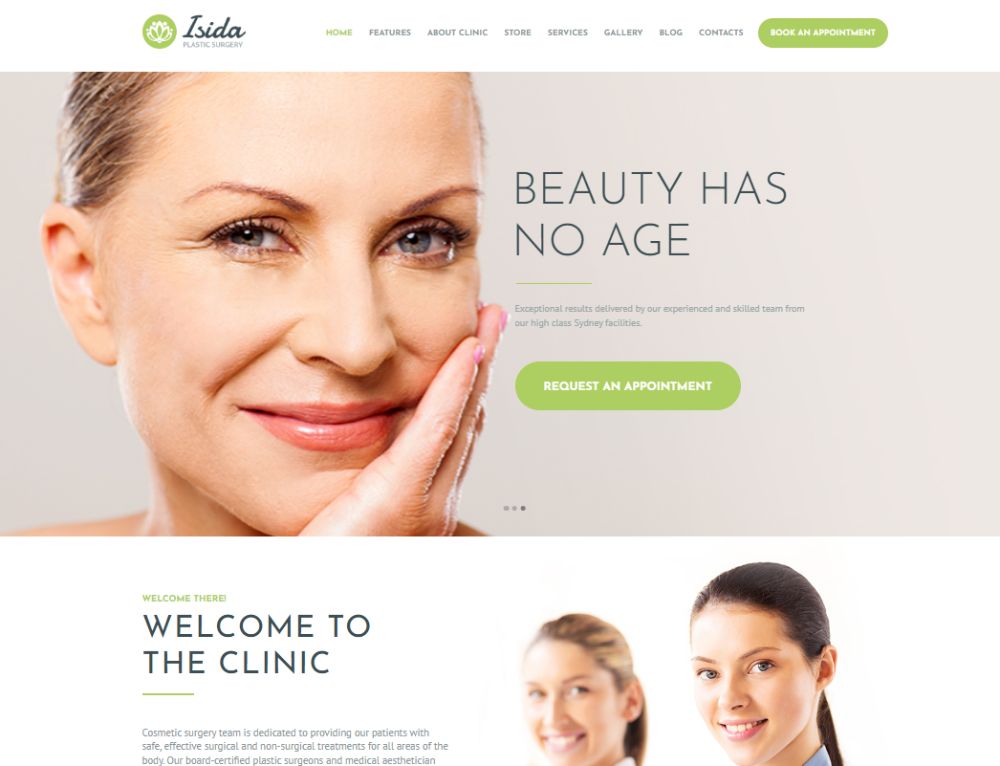
Isida
Lost in the Clouds

Lost in Space

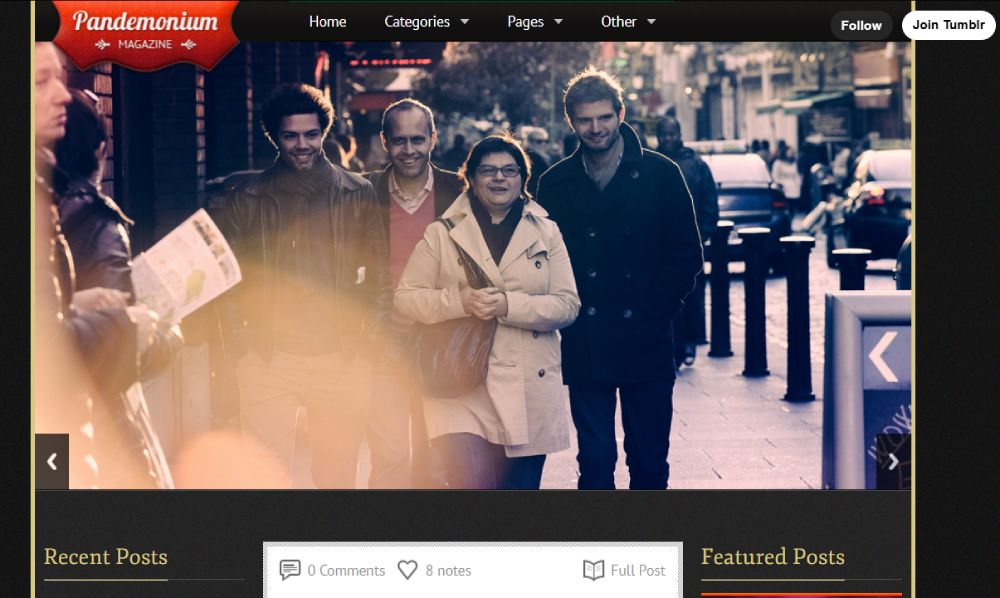
Pandemonium Magazine
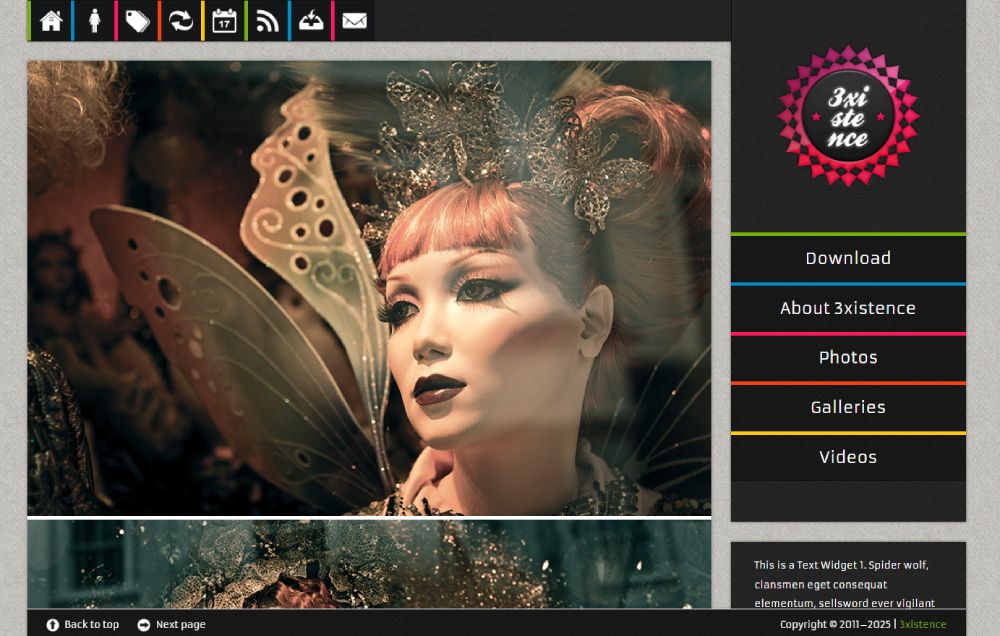
3xistence
Crime Scene

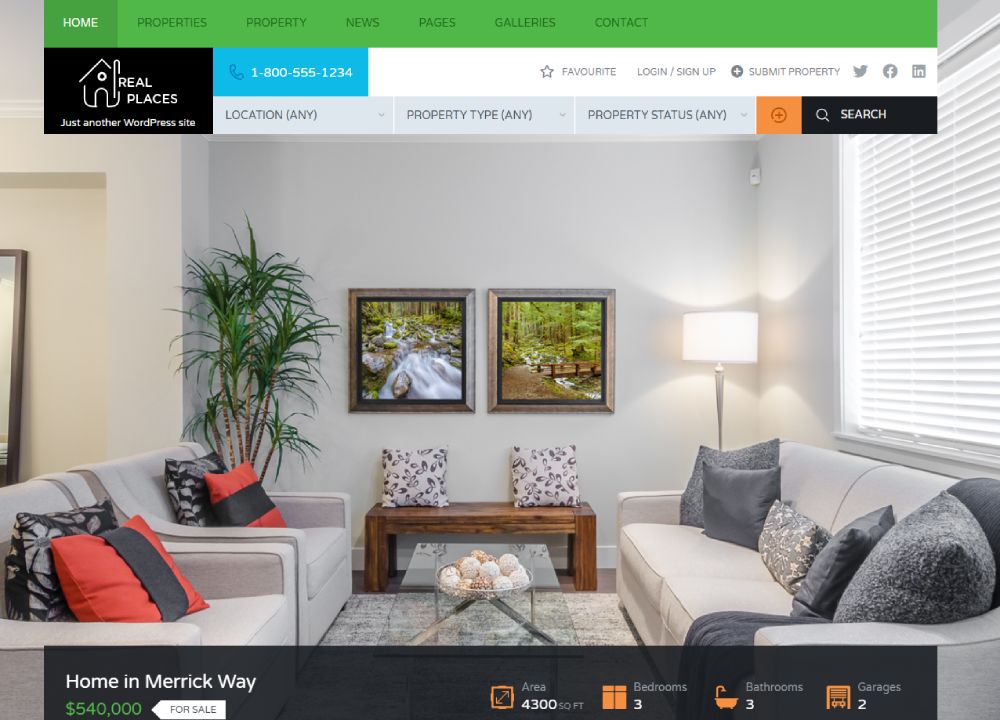
RP
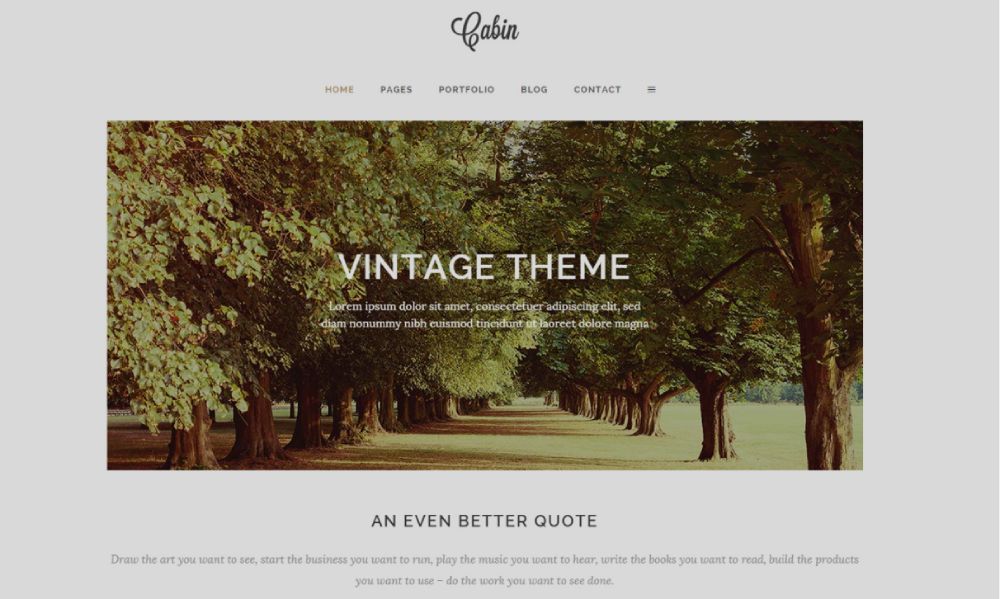
Cabin
Mindy

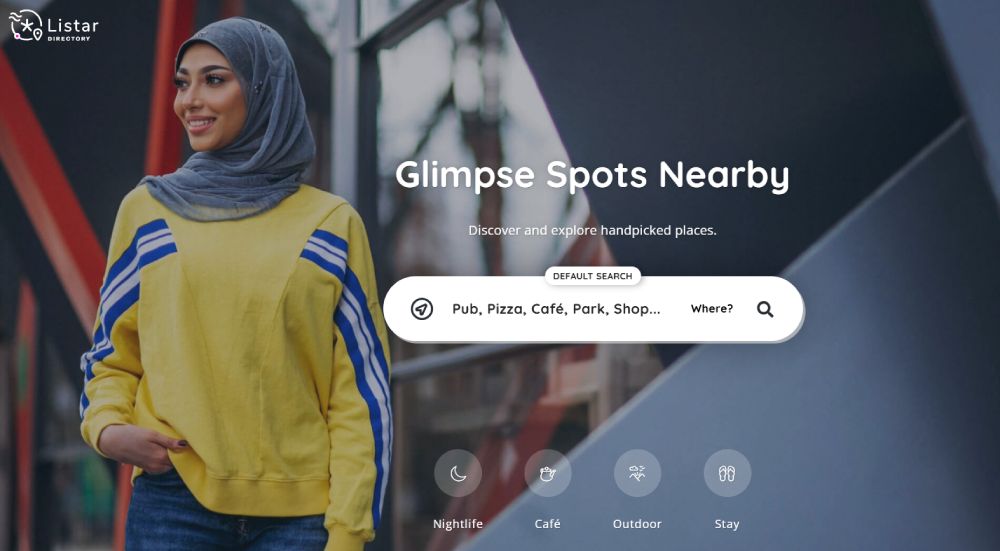
Listar
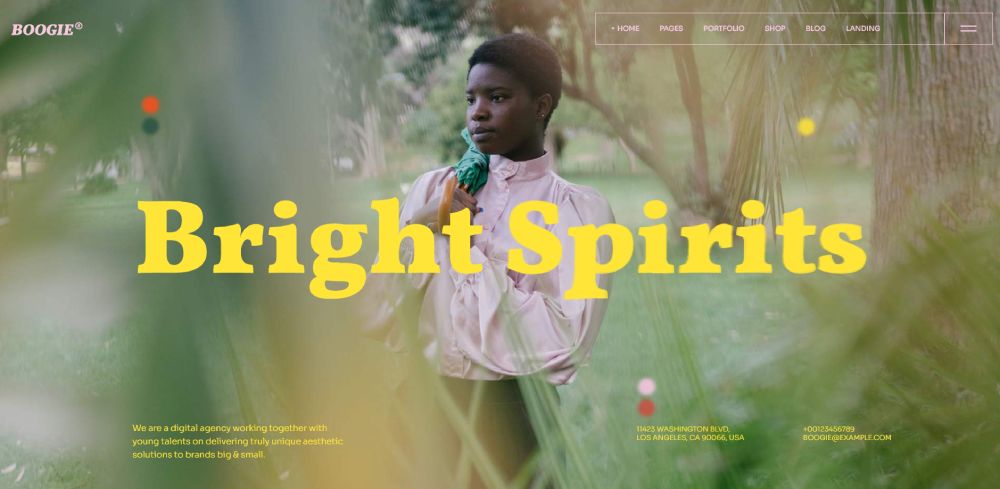
Boogie
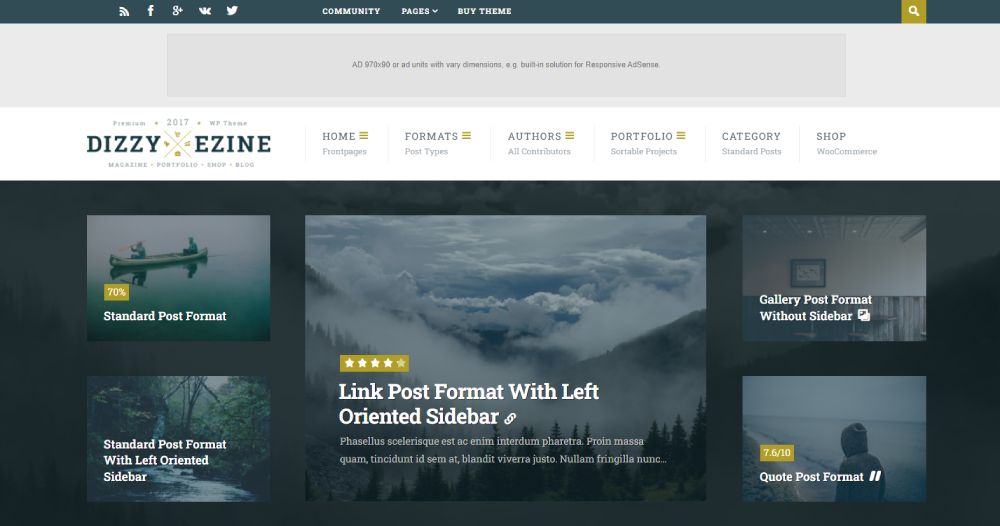
DizzyMag
Rayo

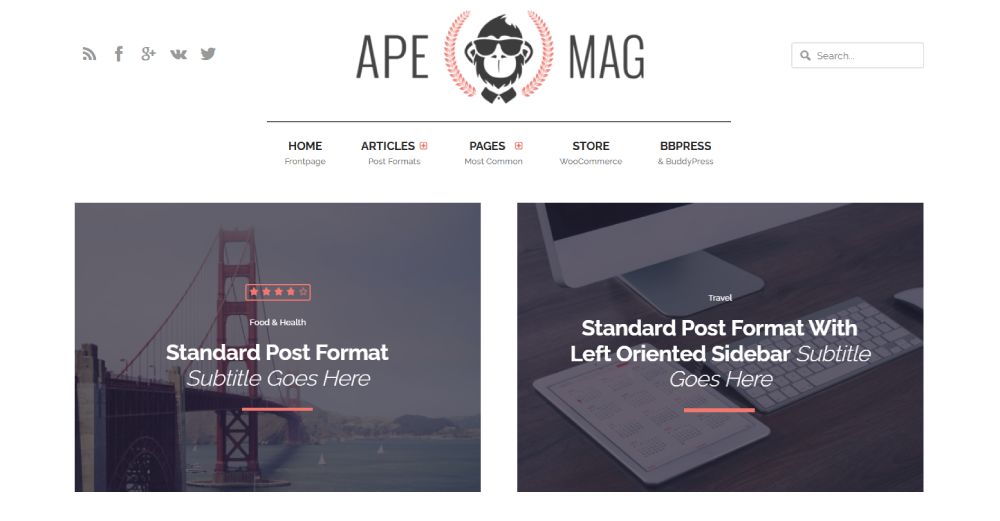
Apemag
Iva
Simba

DUDU

CozyStay

Piku

Outgrid

Vault

How Do Aesthetic Website Templates Differ from Standard Templates
Standard templates solve problems. Aesthetic templates create impressions.
The difference sits in three areas: visual hierarchy, spatial relationships, and typographic intention.
Visual Hierarchy Differences
Standard themes stack content blocks vertically with equal weight.
Aesthetic templates use asymmetrical grids, varied section heights, and focal point anchoring to guide the eye through deliberate pathways.
Typography Choices
Generic themes default to system fonts or single typeface families.
Aesthetic designs pair contrasting fonts, often combining a display serif for headlines with a geometric sans-serif for body text, following established typography principles.
White Space Usage Patterns
Standard layouts pack content tightly. Aesthetic templates breathe.
Generous margins between sections, padding within content blocks, and negative space around CTAs define the approach.
Color Palette Approaches
Basic themes use 5-7 colors without clear hierarchy.
Aesthetic templates stick to 2-3 primary hues with calculated accent placement, often informed by color theory fundamentals.
Animation and Interaction Styles
Aesthetic templates layer subtle hover effects, scroll-triggered reveals, and micro-interactions on call to action buttons.
Standard themes treat animation as optional.
What Are the Design Characteristics of Aesthetic Website Templates
Specific visual traits separate aesthetic templates from generic alternatives.
Grid Systems Used
Most run on 12-column grids built with CSS Grid or Bootstrap, but break columns intentionally for visual tension.
Overlapping elements, off-grid text placement, and mixed column spans create movement.
Font Pairings
Popular combinations include:
- Playfair Display + Work Sans
- Cormorant Garamond + Montserrat
- Libre Baskerville + Source Sans Pro
- DM Serif Display + Inter
Color Theory Applications
Aesthetic templates favor muted palettes, monochromatic schemes with single accent colors, or calm color palettes that don't compete with imagery.
High-contrast schemes appear in dark themed websites targeting creative industries.
Image Treatment Styles
Duotone overlays, grain textures, rounded corners, and soft shadows define current aesthetic image treatments.
Full-bleed photography alternates with contained frames.
Button and UI Element Design
Buttons trend toward pill shapes or sharp rectangles with no middle ground, featuring generous padding and subtle hover state transitions.
Form fields use bottom-border-only styling or soft rounded inputs with light backgrounds.
Which Industries Use Aesthetic Website Templates
Certain verticals prioritize visual impact over information density.
Creative Agencies
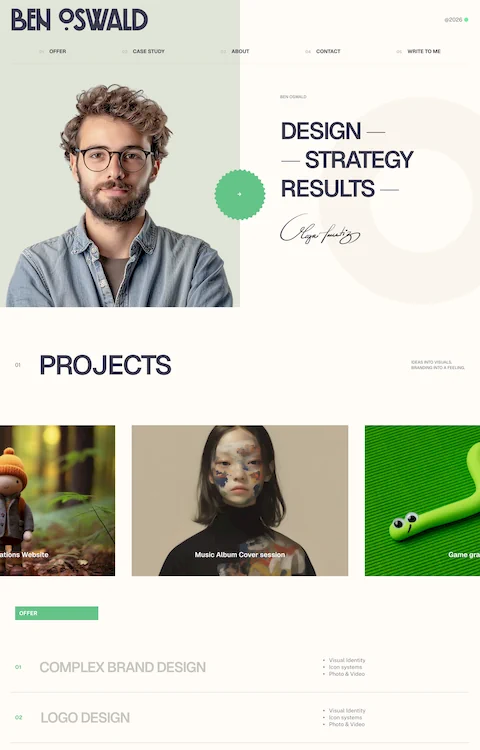
Agency websites and branding agency websites need templates that showcase their own design capabilities through the site itself.
Photography Portfolios
Photographer websites demand templates where images dominate while navigation disappears into the background.
Gallery grids, lightbox functionality, and minimal text interference matter most.
Fashion Brands
Clothing websites and fashion websites require editorial layouts that mirror magazine spreads with bold typography and editorial photography.
Lifestyle Blogs
Blog design templates for lifestyle content emphasize readability, featured image presentation, and category navigation aesthetics.
Architecture Firms
Architect websites lean toward minimalist website templates with large project imagery and restrained typography.
Art Galleries
Artsy websites and museum website designs prioritize artwork visibility with neutral backgrounds and virtually invisible interface elements.
FAQ on Aesthetic Website Templates
What makes a website template aesthetic?
Intentional design choices. Aesthetic templates feature cohesive color palettes, deliberate typography pairing, balanced visual hierarchy, and generous negative space. Every element serves a purpose rather than filling space.
Are aesthetic website templates mobile responsive?
Most premium templates from Squarespace, Webflow, and ThemeForest include responsive website templates as standard. Always preview on actual devices before purchasing. Browser simulations miss real-world touch interactions and viewport issues.
How much do aesthetic website templates cost?
Free options exist on WordPress and Wix. Mid-range templates on ThemeForest run $39-79. Premium options on Envato Elements or Creative Market reach $150-300. Webflow and Squarespace templates range from free to $149.
Can I customize an aesthetic template without coding?
Yes. Platforms like Squarespace, Wix, and WordPress with Elementor or Divi offer drag-and-drop editing. Webflow provides visual CSS controls. Most professional website templates include style guides for consistent customization.
Which platform has the best aesthetic templates?
Squarespace leads for out-of-box aesthetics. Webflow offers more design control. WordPress provides the largest selection through ThemeForest. Shopify dominates ecommerce aesthetics. Choose based on your technical comfort and site requirements.
Do aesthetic templates affect website loading speed?
Design-heavy templates can slow page load speed if poorly coded. Check template reviews for performance complaints. Optimize images after installation. Templates with excessive JavaScript animations or uncompressed assets hurt Core Web Vitals scores.
What file formats do aesthetic templates come in?
Varies by platform. WordPress themes use .zip files with PHP. Webflow exports as native projects or HTML5/CSS3. Figma and Adobe XD templates ship as design files requiring manual development. Static HTML templates work anywhere.
Are free aesthetic templates worth using?
Some are. WordPress themes like Astra and GeneratePress offer solid free foundations. Watch for limited customization, missing documentation, and outdated code. Premium website templates include support and updates.
How do I choose an aesthetic template for my industry?
Match the template's visual style to your audience expectations. Creative fields need bold layouts. Finance and healthcare require clean websites with trust signals. Review competitor sites for industry design standards.
Can I use aesthetic templates for ecommerce stores?
Absolutely. Shopify and WooCommerce offer aesthetic themes with product grids, cart functionality, and checkout flows built in. Look for templates with gallery views, zoom features, and websites with good UI patterns for product pages.
Conclusion
Choosing aesthetic website templates comes down to matching visual style with functional requirements.
The best templates balance clean design with mobile responsiveness and fast page load speed. They work within grid system layouts while leaving room for customization.
Platforms like Figma, Adobe XD, and Envato Elements offer diverse starting points. ThemeForest and Creative Market expand your options further.
Skip templates that prioritize trends over usability. Focus on ones with solid UI design, websites with good typography foundations, and proven browser compatibility.
Test before committing. Preview on mobile devices. Check reviews for support quality.
A template sets your baseline. Your content and website design ideas determine the final result.