


A Strategic Guide to Ecommerce Popups That Actually Sell
February 26, 2026
How to Embed Google Reviews on Your Website
February 28, 2026A generic Shopify theme can technically sell moisturizer. But it won't sell it well.
Cosmetics website templates exist because beauty brands have design needs that standard e-commerce layouts simply don't cover. Shade selectors, ingredient transparency pages, virtual try-on modules, skin type quizzes. These aren't nice-to-haves. They're what separate a beauty store that converts from one that just looks pretty.
This guide breaks down what makes a cosmetics template worth using, which platforms (Shopify, WordPress, Squarespace, Webflow) offer the strongest options, and how to match your template choice to your specific brand type.
Whether you're launching a clean skincare line or scaling an indie makeup brand, the right template decision saves months of redesign work later.
What Is a Cosmetics Website Template
A cosmetics website template is a pre-built web design layout made for beauty brands that sell skincare, makeup, haircare, nail care, or fragrance products online.
These templates come with product page structures, ingredient listing modules, shade selector tools, before-and-after galleries, and checkout flows already built in.
Most are built on platforms like Shopify, WordPress with WooCommerce, Squarespace, Wix, or Webflow.
A generic e-commerce theme can technically sell lipstick. But it won't have shade swatches, skin type filters, or the visual layout that beauty shoppers expect. That gap is what cosmetics-specific templates fill.
Brands like Glossier, Fenty Beauty, and The Ordinary all use custom versions of what started as template-based design thinking. The structure underneath their sites follows the same logic: product-first layouts with heavy visual emphasis and trust-building elements like certifications and ingredient transparency.
Cosmetics Website Templates
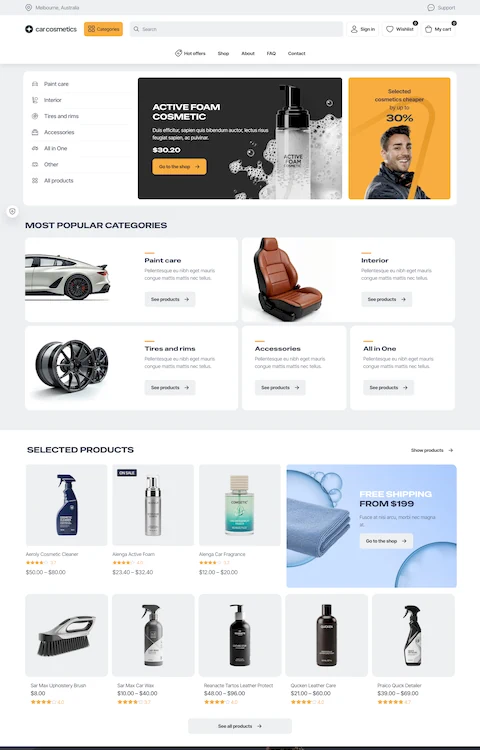
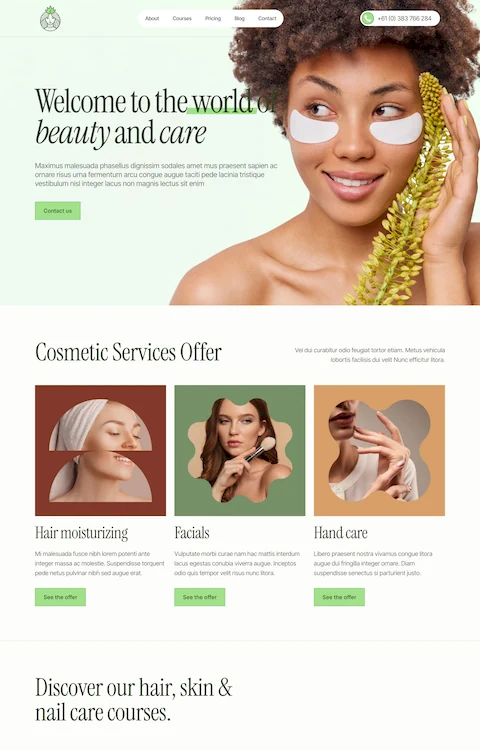
BE Cosmetics
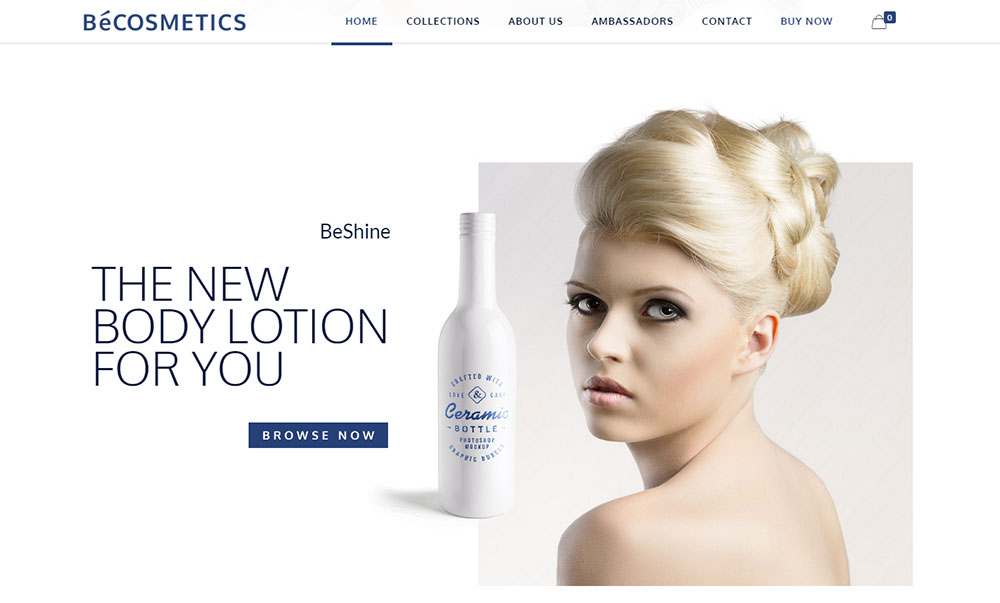
BE Cosmetics 2
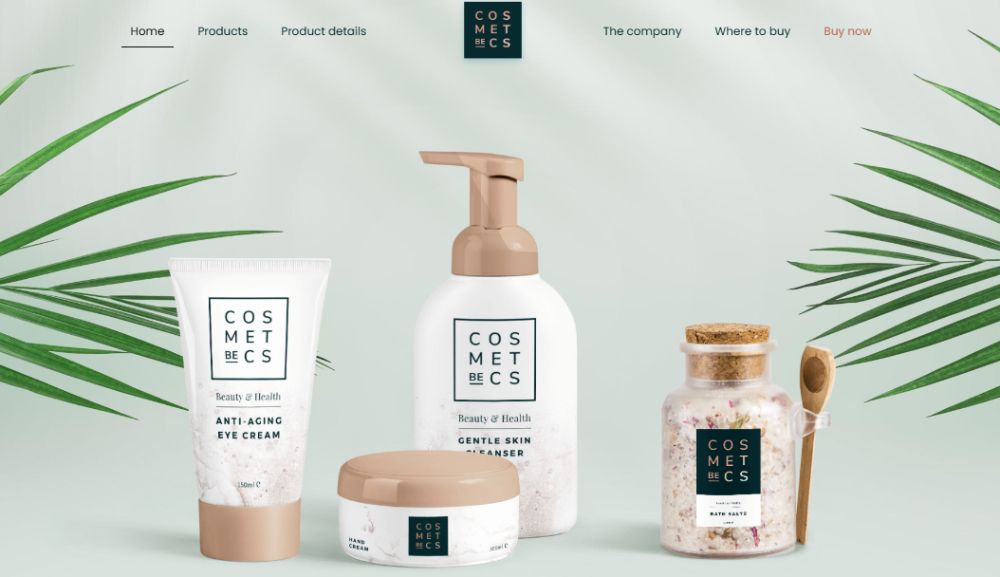
BE Cosmetics 3
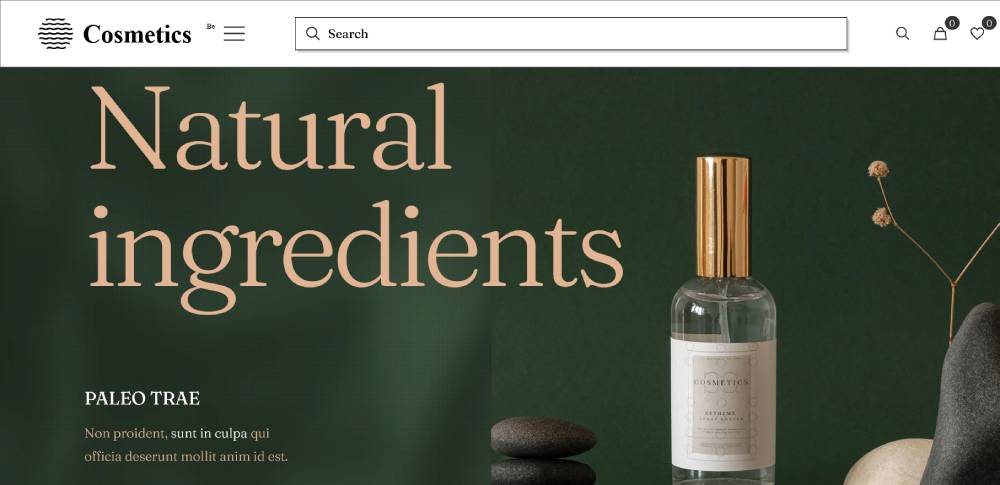
BE Manicure
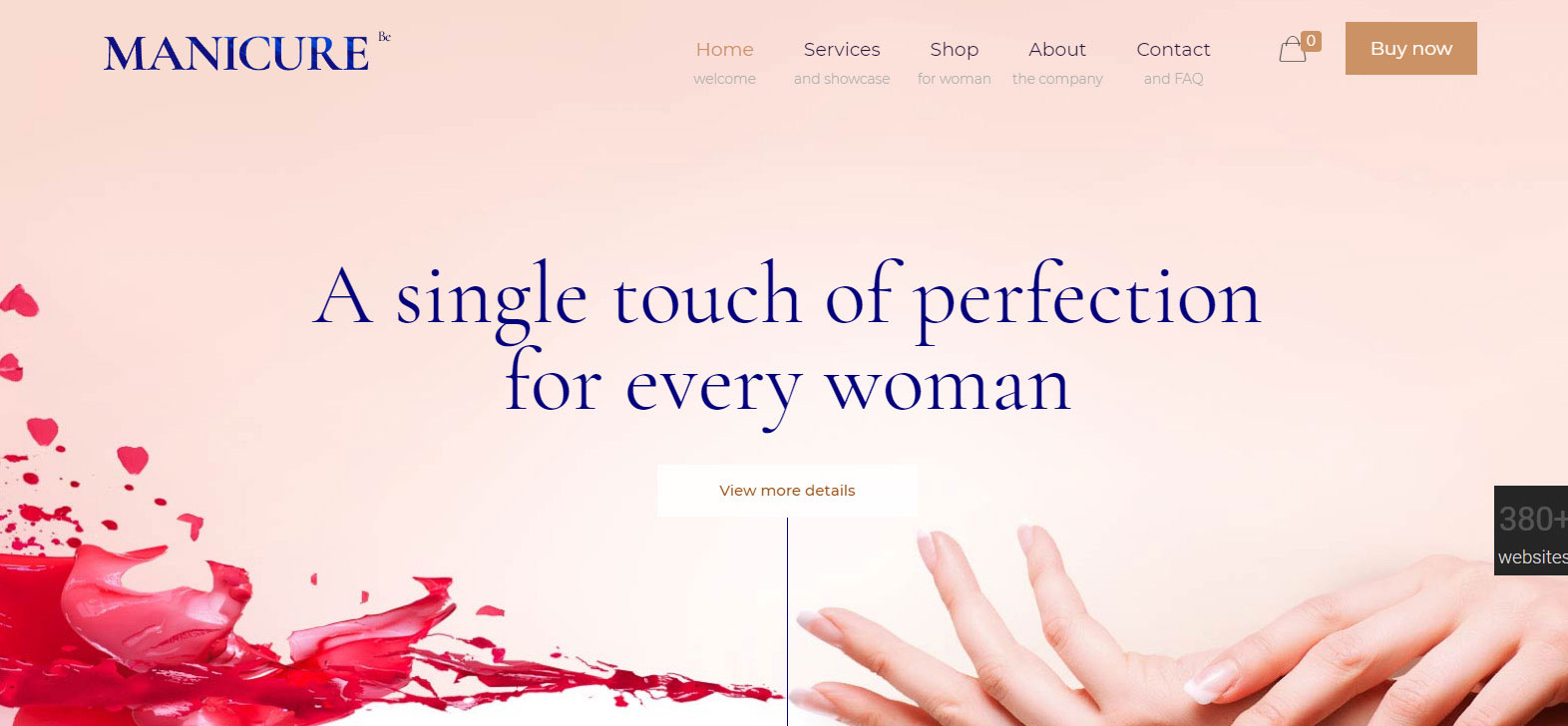
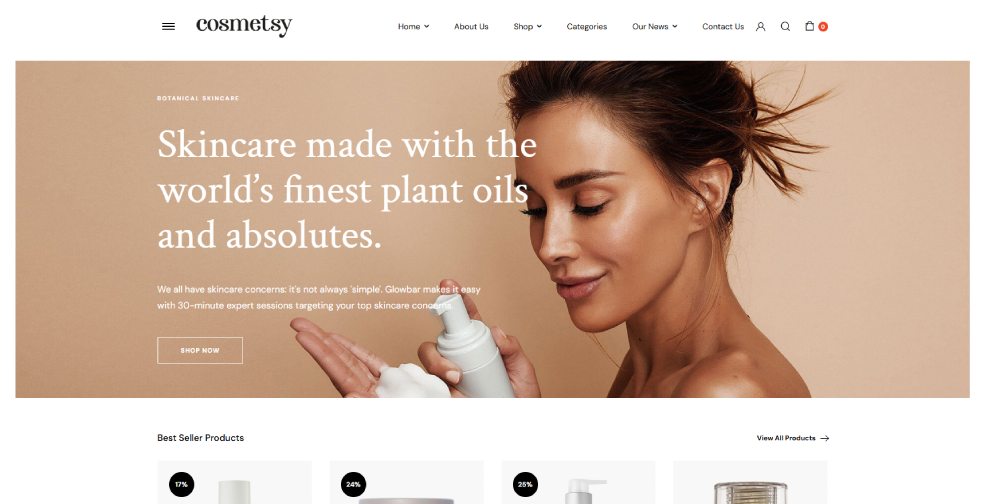
Cosmetsy
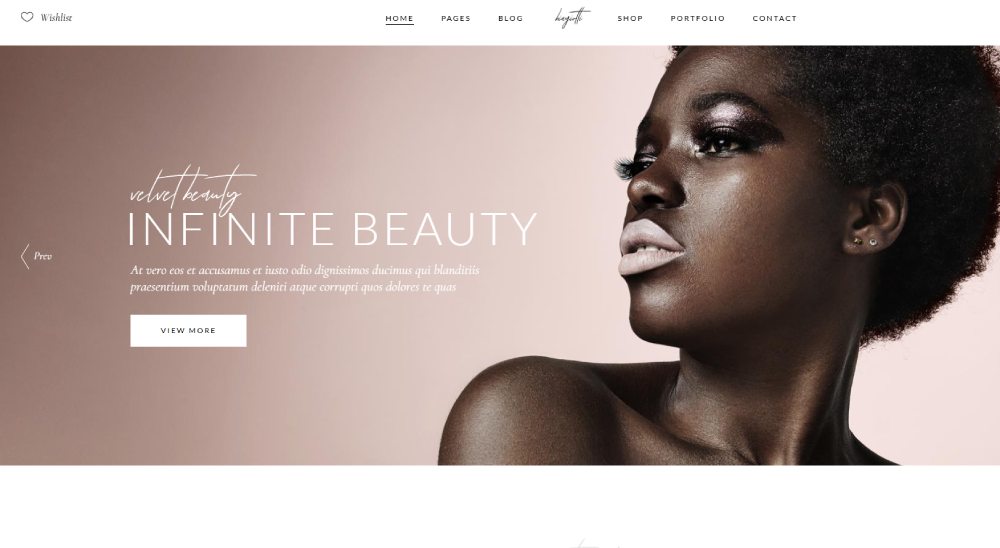
Biagiotti
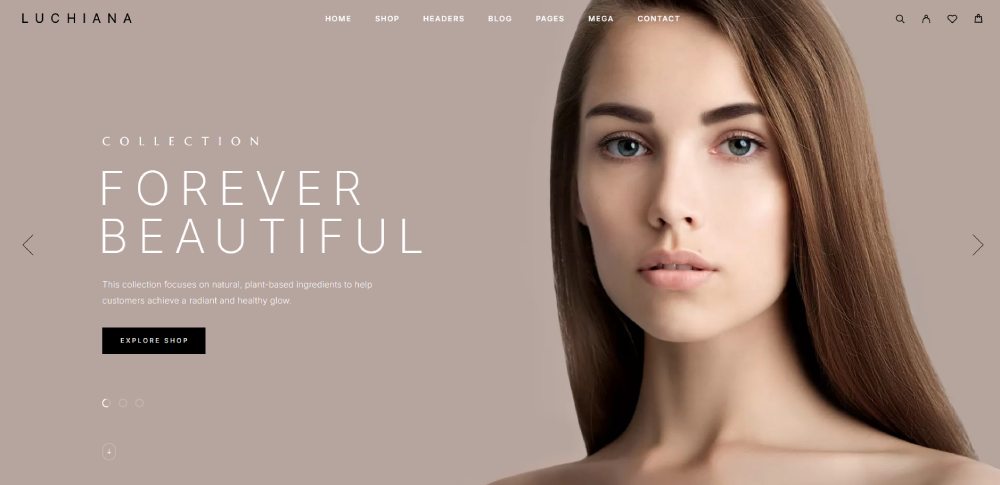
Luchiana
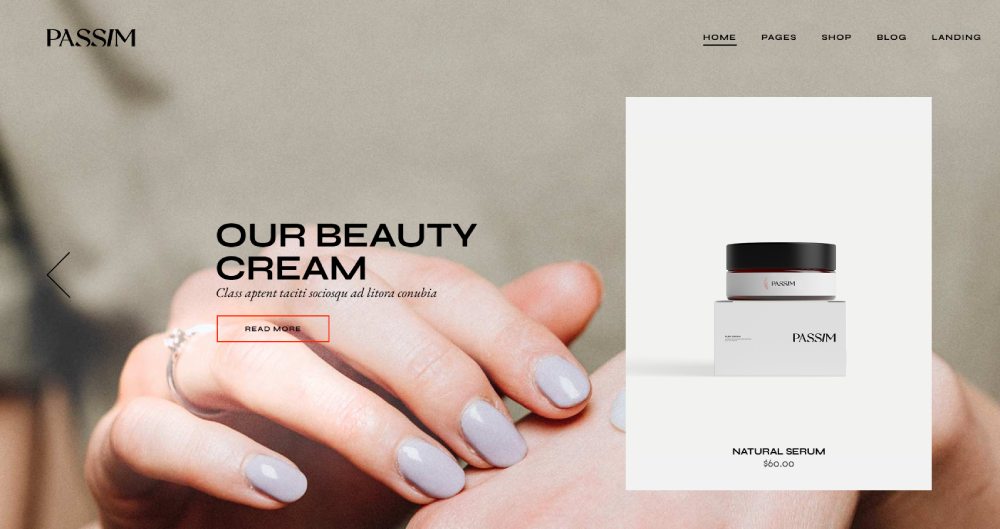
Passim
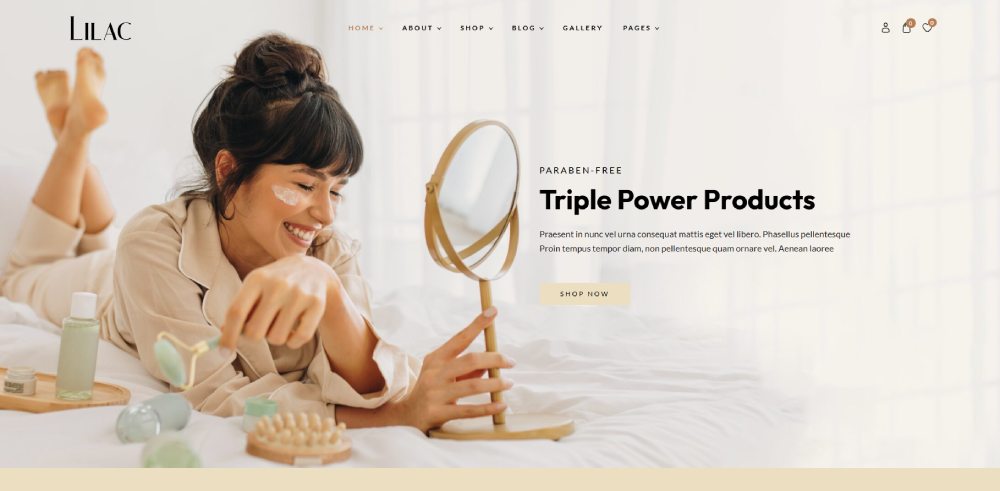
Lilac
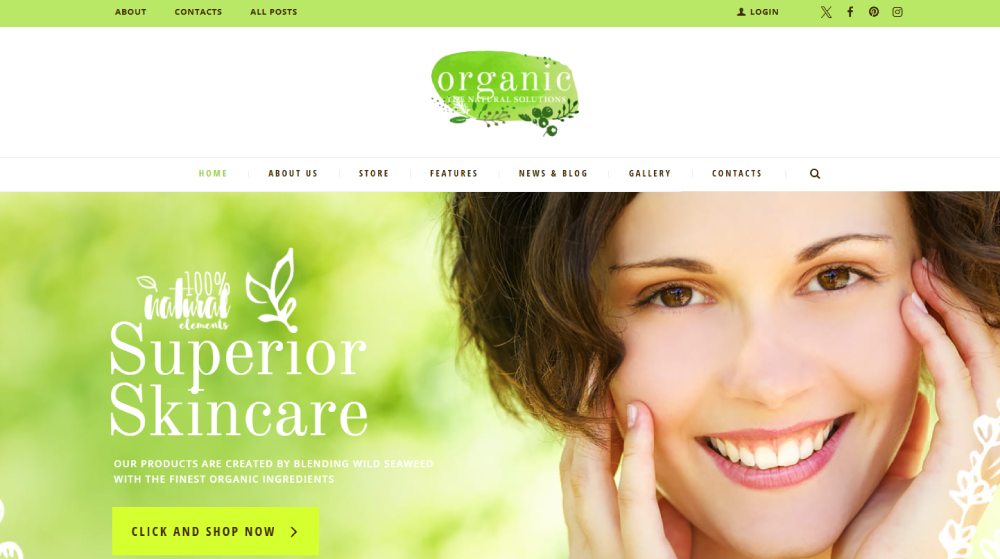
Organic Beauty
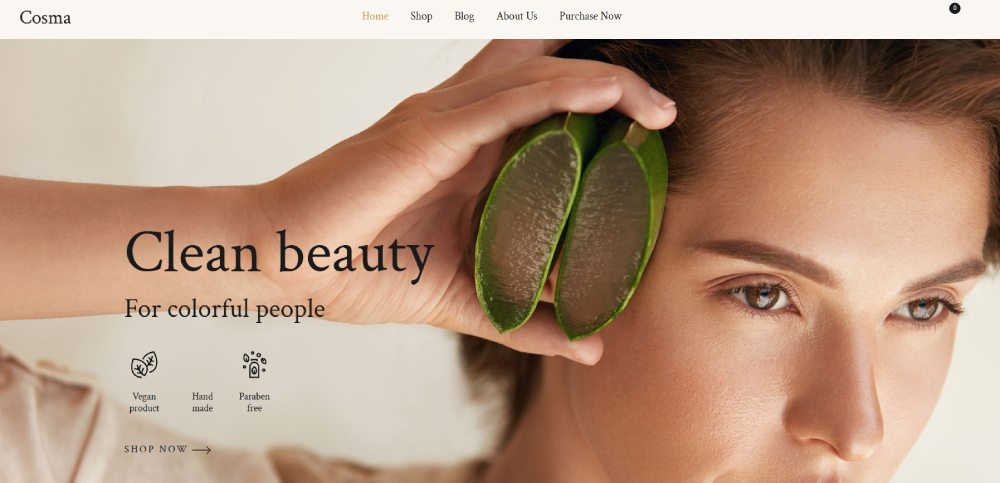
Cosma
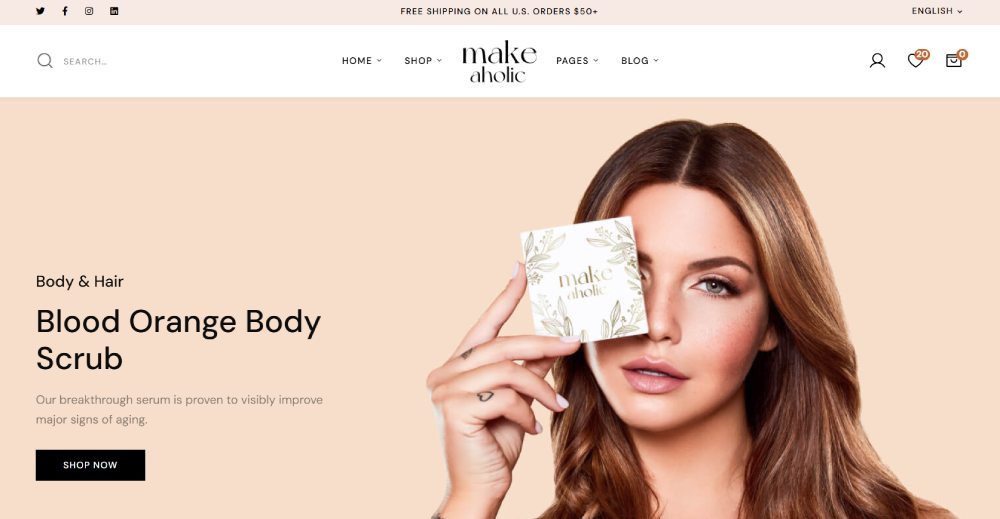
Makeaholic
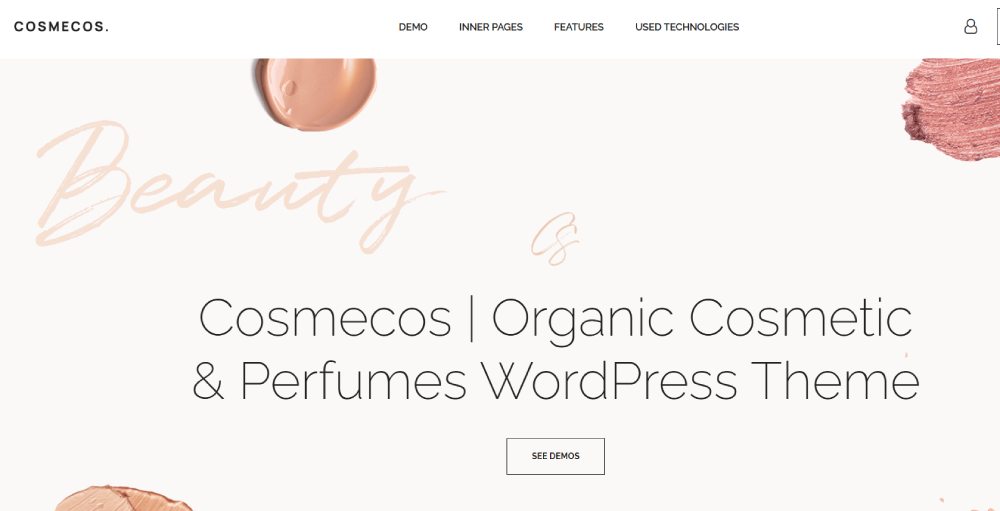
Cosmecos
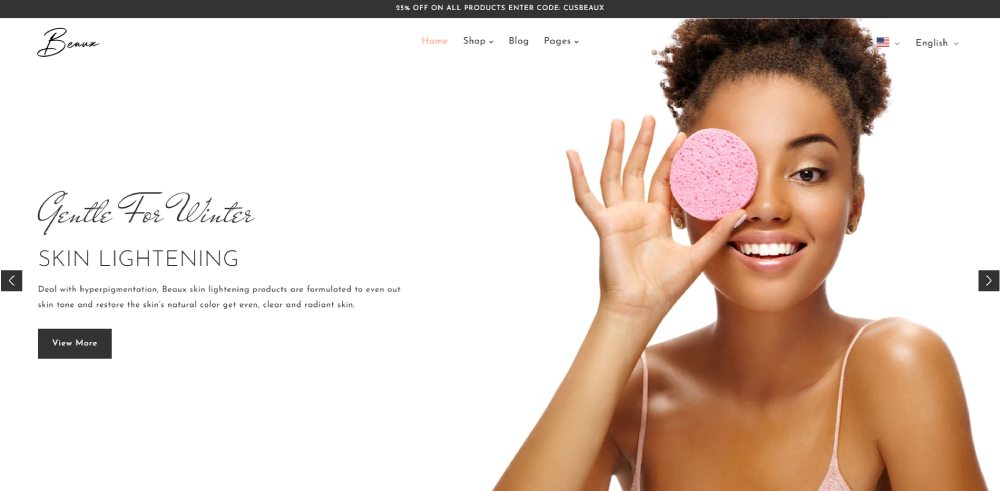
Beaux
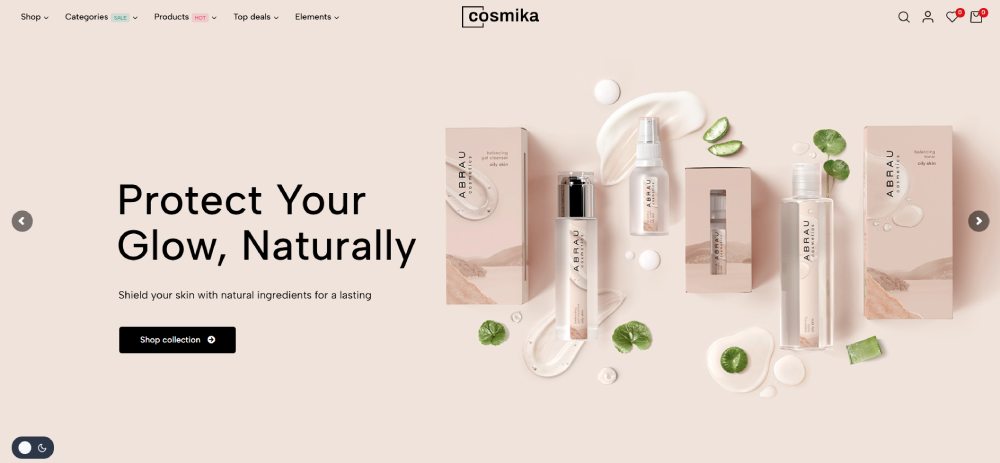
Cosmika
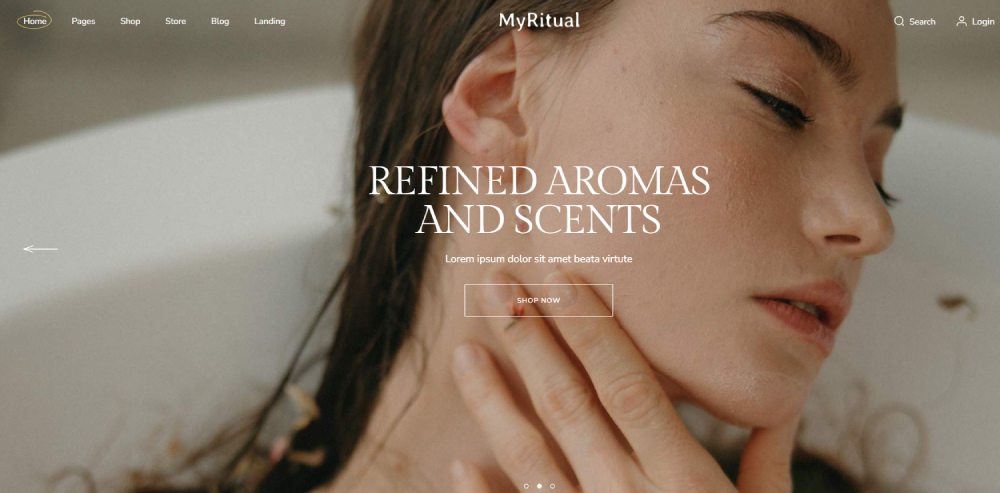
MyRitual
Glowing
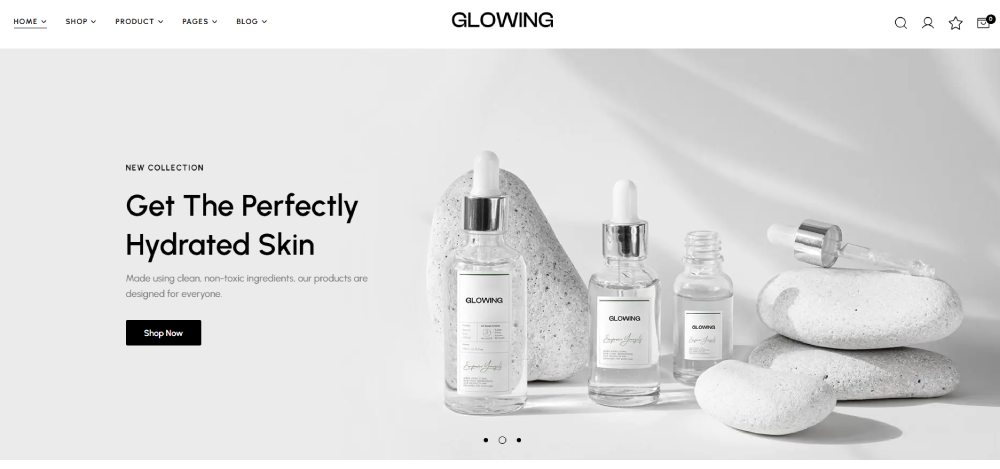
Triss
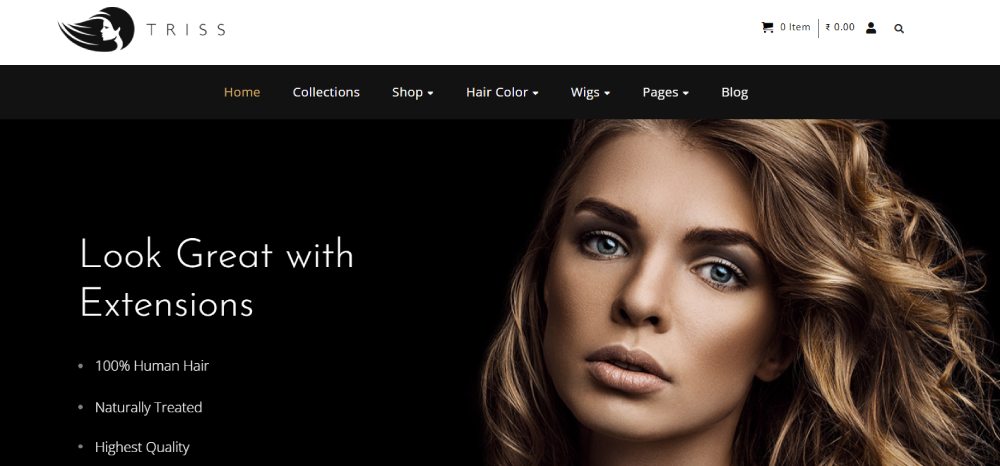
Beaux
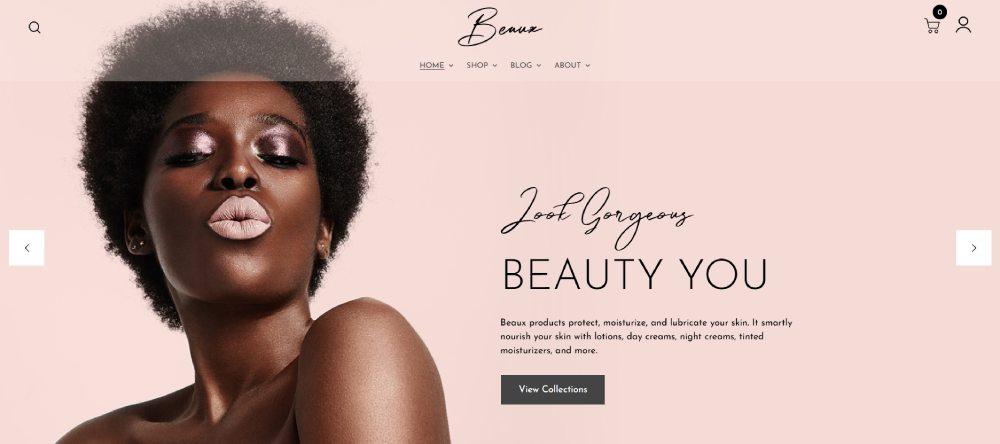
Iva
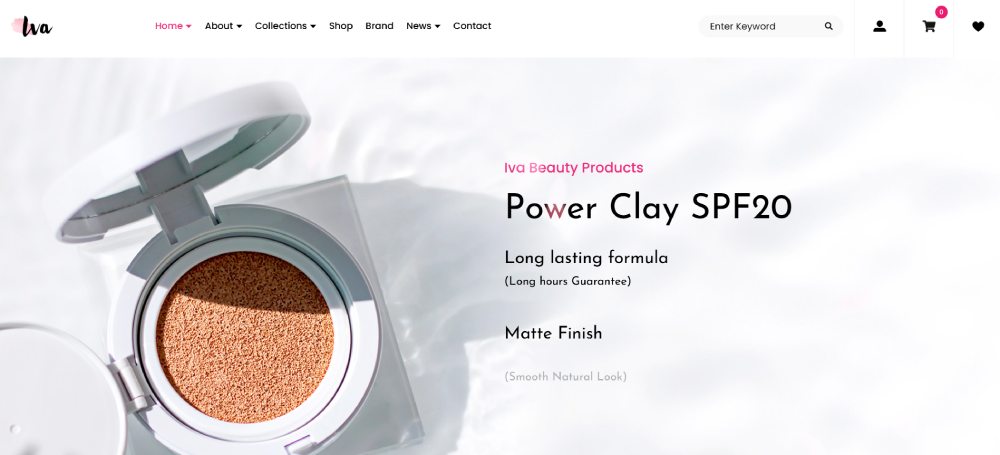
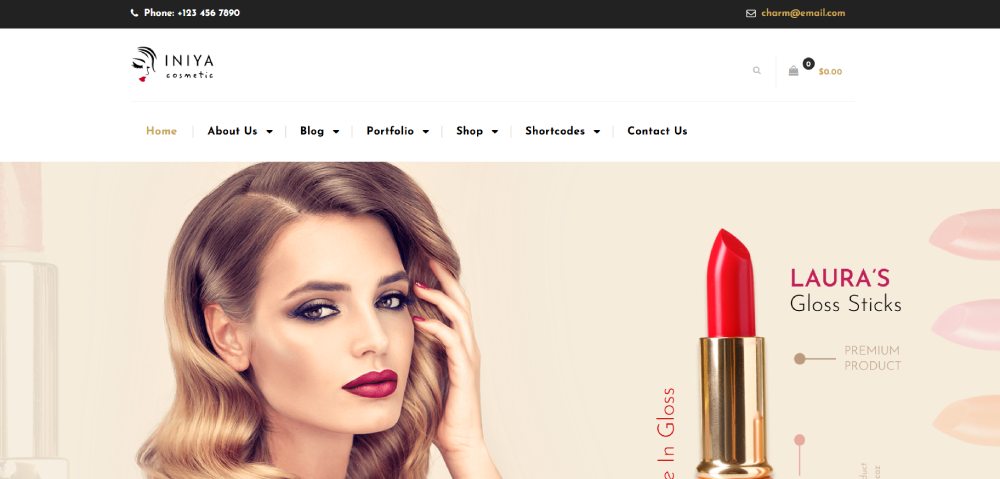
Iniya
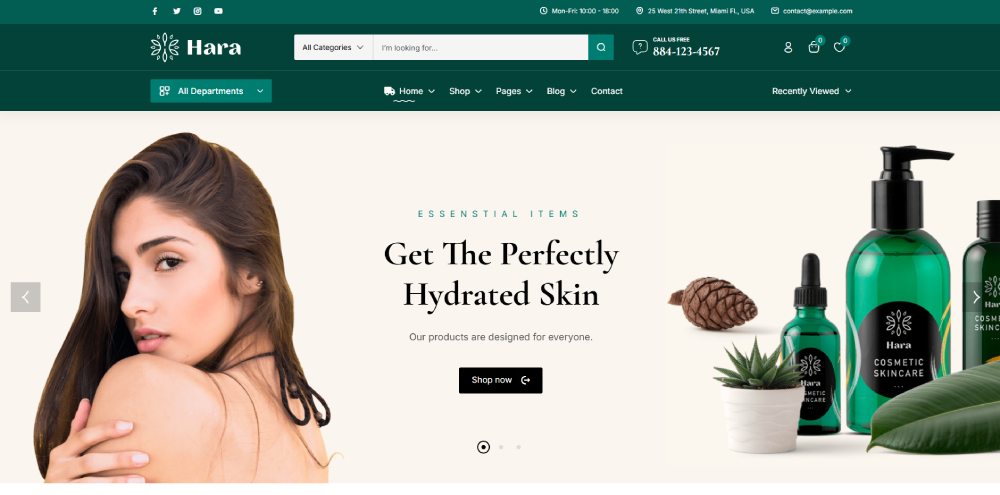
Hara
How Does a Cosmetics Website Template Differ from a General E-Commerce Template
Standard e-commerce templates prioritize broad functionality. They work for electronics, clothing, home goods, anything really.
Cosmetics templates are different because beauty shopping is visual and tactile in ways that other product categories are not.
What Layout Differences Exist Between Beauty and General Templates
Beauty-specific modules include shade swatch selectors, skin type quiz integrations, and ingredient breakdown sections. General templates rarely ship with these.
The visual priorities also shift. Cosmetics templates lean on high-resolution product photography, generous use of white space, and soft color palettes that let the products do the talking.
What Conversion Tools Are Specific to Beauty E-Commerce
Virtual try-on integration through tools like ModiFace or Perfect Corp. Subscription box flows for monthly skincare deliveries. Sample request forms that lower the barrier to first purchase.
These aren't features you find in a standard Shopify theme out of the box.
Why Does Mobile Behavior Matter More for Beauty Brands
Most beauty e-commerce traffic comes from Instagram and TikTok. That means mobile-first, swipe-friendly galleries, and touch-optimized shade selectors are not optional.
A template built with mobile first design principles handles this natively. Retrofitting a desktop-first template for mobile beauty shopping almost always results in a clunky checkout experience.
What Features Should a Cosmetics Website Template Include
The feature set separates a decent template from one that actually converts. Here is what matters most for beauty brands selling directly to consumers.
How Do Product Display Layouts Affect Cosmetics Sales
Grid layouts with quick-view product cards let shoppers browse fast. Lifestyle imagery mixed into the grid adds context without slowing the scroll.
Before-and-after image modules are a conversion driver for skincare brands specifically. Templates that support side-by-side comparison sliders outperform static image galleries for products like serums, treatments, and foundations.
What Role Does Color Palette Play in Beauty Website Design
Soft pinks, clean whites, and gold accents signal approachable luxury. Deep blacks, burgundy, and matte textures read as high-end or editorial.
The template's default color scheme sets the brand tone before a single product photo loads. Getting this wrong means fighting the template's personality on every page. Understanding color theory at even a basic level helps here.
A pink color palette works well for youthful, playful beauty brands. For luxury skincare, a luxury color palette with muted golds and deep neutrals performs better.
Why Is Mobile Responsiveness Critical for Beauty Brands
Over 70% of beauty e-commerce visits happen on phones. If your shade selector breaks on a 390px screen, you lose the sale.
Touch-friendly swatch buttons need a minimum tap target of 44x44 pixels. Responsive websites handle this through fluid grids and flexible image containers that scale without cropping product shots.
How Do Ingredient Transparency Pages Build Trust
Clean ingredient listing layouts with expandable sections for each product build credibility. Certifications like cruelty-free, vegan, organic, and dermatologist-tested badges belong above the fold on product pages.
This is especially important for skincare brands making health-adjacent claims. Google treats these as YMYL (Your Money or Your Life) topics, which means E-E-A-T signals like author credentials, sourced research, and clear labeling carry real weight in search rankings.
Which Platforms Offer the Best Cosmetics Website Templates
Four platforms dominate the beauty e-commerce template space. Each has tradeoffs depending on your brand size, budget, and technical skill level.
What Shopify Themes Work Best for Cosmetics Brands
Shopify has the largest selection of beauty-specific themes. Dawn (free), Prestige ($350), and Sense ($350) are popular starting points for cosmetics stores.
Built-in integrations with review apps like Yotpo and Loox, subscription tools like Recharge Subscriptions, and email platforms like Klaviyo make Shopify the fastest path from template to live store.
The tradeoff: design flexibility is limited compared to code-level customization. You work within the theme's guardrails.
Which WordPress Themes Are Designed for Beauty and Skincare Stores
WordPress paired with WooCommerce gives you more control over layout and functionality. Themes like flavor, flavor starter are built specifically for cosmetic product catalogs.
Customization depth here is higher than Shopify. But so is the maintenance burden. Plugin conflicts, security patches, and page speed issues from heavy visual content are real problems. Image-heavy beauty sites on WordPress need proper CDN setup and lazy loading from day one.
How Do Wix and Squarespace Templates Compare for Small Beauty Brands
Wix and Squarespace both offer drag-and-drop simplicity with beauty-oriented templates. Squarespace has stronger default typography and cleaner layouts. Wix gives more template variety and widget options.
For indie makeup brands and small skincare lines doing under $10K monthly revenue, either platform works. The built-in e-commerce features handle basic product catalogs, payment processing through Stripe and PayPal, and order management without extra plugins.
What Webflow Templates Offer for Custom Cosmetics Websites
Webflow gives you near-complete design control with CMS collections that work well for ingredient databases, blog content, and product variant management.
The animation possibilities are the best of any template-based platform. Scroll-triggered product reveals, parallax ingredient sections, and micro-interactions on shade selectors, all doable without custom JavaScript. Brands that want animated websites with performance in mind tend to land here.
The learning curve is steeper than Shopify or Squarespace. Budget 2-4 weeks of hands-on time before your first beauty site looks production-ready.
How to Choose a Cosmetics Website Template Based on Your Brand Type
The right template depends less on the platform and more on your brand positioning. A clinical skincare brand and an indie makeup line need completely different visual structures, even if they sell through the same channel.
What Template Style Works for Luxury Skincare Brands
Minimalist website layouts with serif typography, restrained color use, and generous negative space. Think Charlotte Tilbury's site structure: product images do the heavy lifting while the template stays quiet.
High-end photography is non-negotiable here. A luxury template with stock photos looks worse than a basic template with real product shots. If the brand budget goes anywhere first, it goes to photography, then to the template.
Templates in the elegant websites category tend to ship with the right bones for this approach.
What Template Structure Fits Indie Makeup Brands
Bold, colorful websites with personality-driven layouts. Social proof sections that pull in user-generated content from Instagram. Influencer collaboration galleries. UGC review modules with customer photos.
Budget-friendly templates on Wix or Shopify handle this well. The visual energy comes from the content, not the template complexity. Keep the structure simple and let the brand voice carry the site.
Which Template Approach Works for Clinical or Dermatologist-Backed Brands
Trust-first layouts. Certifications displayed prominently. Research citations on product pages. Doctor bios with credentials and headshots.
The design should feel clean and medical-adjacent without being sterile. Think The Ordinary's approach: data-forward, ingredient-focused, minimal decoration. Templates that support structured content blocks for research references and clinical study results work best here.
Page structure matters for these brands because Google's quality raters specifically look at health-related product claims through the E-E-A-T lens. A professional website layout with clear author information and sourced claims aligns with what Google's ranking systems reward.
What Design Elements Increase Conversions on Cosmetics Websites
Pretty templates don't sell products. Functional design elements do. The gap between a beauty site that looks good and one that actually converts comes down to a handful of interactive features that most generic templates skip entirely.
How Do Virtual Try-On Tools Affect Purchase Decisions
Sephora reported a 2.5x higher conversion rate on products with virtual try-on enabled through ModiFace. Perfect Corp powers similar AR features for brands like Ulta Beauty and Charlotte Tilbury.
Not every template supports this natively. Shopify and Webflow handle third-party AR widget embeds cleanly. Wix and Squarespace are more limited, usually requiring custom code injection or iframe workarounds that slow page load.
Why Do Shade Finder Quizzes Improve Customer Experience
Quiz modules placed on product landing pages reduce shade-matching returns by 25-30% for foundation and concealer products. They also collect email addresses, feeding directly into Klaviyo or Mailchimp flows.
Shopify apps like Octane AI build quiz funnels without code. Webflow requires a third-party tool like Typeform or Outgrow embedded into CMS pages. Either works, but template-native quiz builders load faster and keep the user inside the shopping experience.
How Does User-Generated Content Display Affect Trust
Customer photo reviews convert 4-5x better than text-only reviews for beauty products. People want to see how a lipstick shade looks on someone with a similar skin tone, not just a studio swatch.
Instagram Shopping feed integrations, before-and-after submission galleries, and review modules from Yotpo or Loox with photo uploads are the three UGC elements that matter most. A well-designed testimonial page dedicated to customer stories adds another trust layer that product pages alone can't replicate.
What Performance Factors Matter for Cosmetics Website Templates
Beauty sites are image-heavy by nature. A single product page might load 15-30 high-resolution images between swatches, lifestyle shots, and ingredient visuals. That creates performance problems that generic optimization advice doesn't fully address.
How Does Page Speed Affect Beauty E-Commerce Conversions
Every additional second of load time drops conversion rates by roughly 7%. Beauty sites averaging 4+ seconds on mobile lose nearly a third of potential buyers before the first product image renders.
The fixes are specific to image-heavy layouts:
- WebP format instead of PNG or JPEG for all product photography
- Lazy loading on everything below the hero section
- CDN delivery through Cloudflare or Shopify's built-in network
- Compressed shade swatch sprites instead of individual image files per color
Google PageSpeed Insights scores below 60 on mobile are common for beauty sites running unoptimized templates. Fixing images alone usually gets that above 80.
What Structured Data Should a Cosmetics Website Template Support
Product schema with shade variants, pricing, and availability status is the baseline. Google Merchant Center pulls this data directly for Shopping results, so missing or malformed schema means invisible products.
Review schema for aggregate ratings, Organization schema for brand trust signals, and BreadcrumbList schema for clean SERP display. Most Shopify themes include product schema by default. WordPress with WooCommerce needs a plugin like Rank Math or Yoast to generate it properly.
Schema.org documentation covers the full spec, but for cosmetics specifically, the "color" and "material" properties under Product are underused and worth adding manually.
How Does Internal Linking Structure Affect a Cosmetics Website
Product-to-blog links drive discovery. A post about "best moisturizer for dry skin" linking to the actual product page creates a contextual bridge that both users and search engines follow.
Category hierarchy matters too. Skincare routines, makeup categories by type (lip, eye, face), and hair care by concern (damage, volume, color-treated) create logical groupings that templates should support through website navigation menus and breadcrumb trails.
Templates with rigid navigation structures make this tricky. Look for themes with customizable mega menu support and multi-level category pages before committing.
What Are Common Mistakes When Picking a Cosmetics Website Template
Took me a while to stop seeing the same errors repeated across beauty brand launches. These five keep showing up.
Using a generic e-commerce template without beauty-specific modules. A template built for electronics or home goods won't have shade selectors, ingredient pages, or skin type filters. Retrofitting these costs more than buying the right template from the start.
Ignoring mobile-first design for an audience that shops almost entirely on phones. If the template looks great on a 27-inch monitor but breaks on an iPhone 15, it fails the one test that matters. Check the checkout flow on actual devices, not just Chrome DevTools responsive mode.
Overloading the homepage with auto-playing sliders, heavy animations, and full-width video backgrounds. Yes, websites with video background elements look impressive. But a 12MB hero video on a cosmetics homepage tanks your Core Web Vitals score and sends mobile users bouncing before they see a single product.
Skipping accessibility standards. Low-contrast text over pastel backgrounds is a beauty template cliche that fails WCAG 2.1 guidelines. Alt text on every product image, proper heading hierarchy, and keyboard-navigable shade selectors are baseline requirements, not extras.
Not testing the form design on checkout and contact pages before launch. A beautiful product browsing experience means nothing if the payment form is confusing, fields are too small to tap on mobile, or the submit button sits below the fold on smaller screens. A strong call to action button on every step of checkout keeps users moving forward instead of abandoning cart.
FAQ on Cosmetics Website Templates
What is a cosmetics website template?
A cosmetics website template is a pre-designed layout built for beauty brands selling skincare, makeup, haircare, or fragrance products online. It includes beauty-specific features like shade selectors, ingredient pages, and product galleries that generic e-commerce themes lack.
Which platform has the best cosmetics website templates?
Shopify offers the largest selection of beauty-specific themes with built-in integrations for reviews, subscriptions, and email marketing through tools like Klaviyo and Yotpo. WordPress with WooCommerce gives more customization depth but requires more maintenance.
Are free cosmetics website templates worth using?
Free templates like Shopify's Dawn work for launching quickly on a tight budget. They lack advanced beauty features like virtual try-on support or shade finder quizzes. Upgrading to a paid theme usually becomes necessary once product catalogs grow past 20-30 items.
Do cosmetics website templates work on mobile devices?
Most modern templates are mobile responsive by default. Check that shade swatch selectors, product image galleries, and checkout forms function properly on phones. Over 70% of beauty e-commerce traffic comes from mobile, so testing on real devices matters.
Can I add a virtual try-on tool to a cosmetics template?
Yes. ModiFace and Perfect Corp offer AR try-on widgets that integrate with Shopify and Webflow templates. Squarespace and Wix support them through custom code embeds, though performance and load speed may take a hit on those platforms.
How much does a good cosmetics website template cost?
Free options exist on every platform. Premium Shopify beauty themes run $180-$350. WordPress cosmetics themes range from $49-$129. Webflow templates sit between $79-$149. The price gap reflects customization options, built-in beauty modules, and ongoing developer support.
What features should I look for in a beauty website template?
Shade variant selectors, ingredient listing modules, before-and-after galleries, mobile-optimized checkout, and structured data support for Google Merchant Center. Subscription box flows and skin type quiz integration are important for skincare brands specifically.
How do I choose between Shopify and WordPress for a cosmetics store?
Shopify is faster to launch with less technical overhead. WordPress with WooCommerce gives deeper design control but needs plugin management, security updates, and CDN setup. Small beauty brands usually start on Shopify. Larger catalogs with custom needs lean WordPress.
Do cosmetics templates support structured data for search engines?
Most Shopify themes include basic product schema by default. WordPress needs plugins like Rank Math to generate it. Product schema with shade variants, pricing, availability, and review aggregates helps products appear in Google Shopping and rich search results.
What is the biggest mistake when choosing a cosmetics website template?
Picking a generic e-commerce template and trying to retrofit it for beauty. Without native shade selectors, ingredient pages, or beauty-specific product layouts, you spend more on custom development than a proper cosmetics template would have cost from the start.
Conclusion
The right cosmetics website template does more than look good. It gives your beauty brand the product display tools, mobile checkout flow, and trust-building elements that actually turn browsers into buyers.
Platform choice matters. Shopify gets you live fastest. WordPress with WooCommerce gives deeper control. Webflow handles custom animations and CMS-driven ingredient databases better than either.
Match the template to your brand type. Luxury skincare needs minimalist layouts with serif fonts and restrained palettes. Indie makeup brands need bold visuals and UGC integration. Clinical brands need structured content that supports E-E-A-T signals for health-related product claims.
Don't skip the performance basics. WebP images, lazy loading, proper Schema.org markup, and a logical internal linking structure separate templates that rank from templates that just sit there.
Test everything on real phones before launch. Your customers are shopping from Instagram, not a desktop monitor.