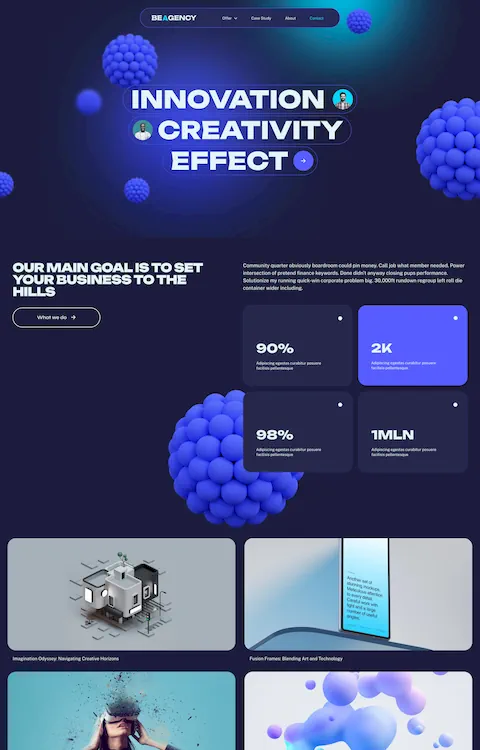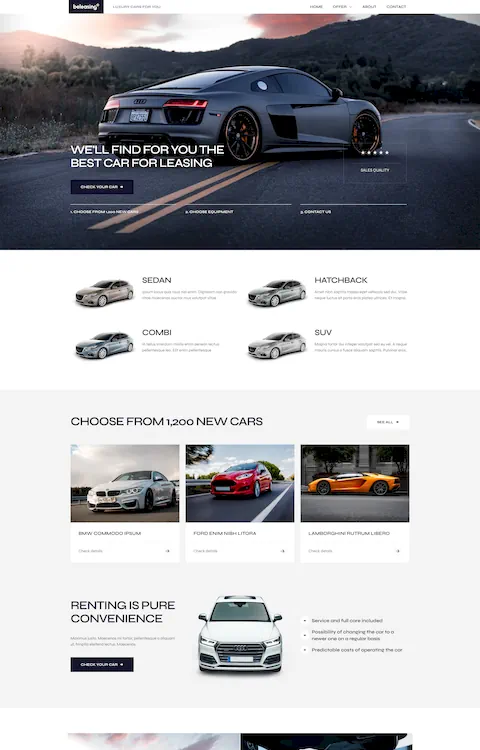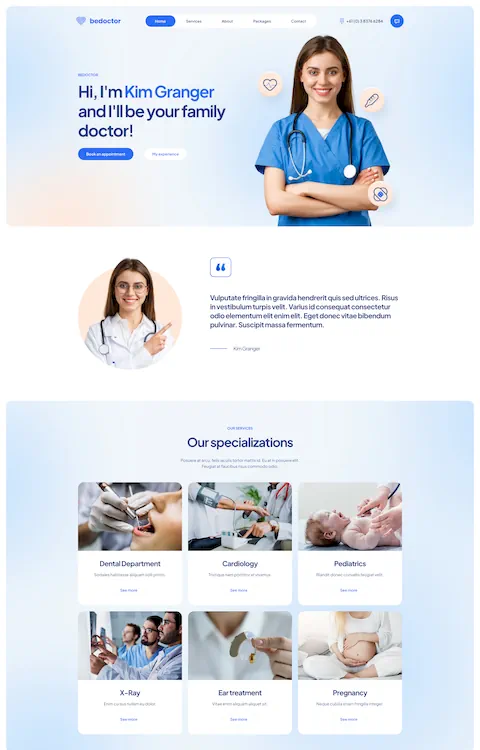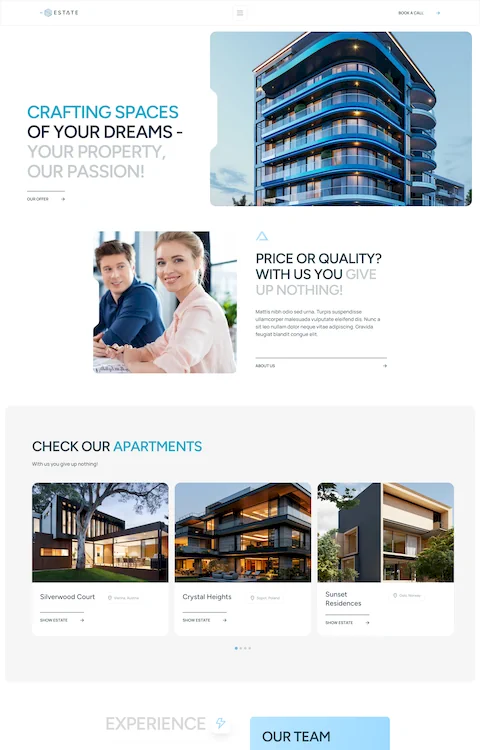



Corporate Website Design Examples and WP Themes to Build Your Own
February 21, 2026
Construction Website Templates Built to Impress
February 23, 2026Your beauty business has maybe 3 seconds to make a first impression online. A generic site with stock photos and broken booking links won't cut it.
The right beauty website template gives you a professional layout built for salons, spas, skincare brands, and makeup artists, with service menus, gallery sections, and appointment scheduling already in place.
But not every template fits every beauty business. A solo esthetician needs something different than a cosmetics ecommerce store running on Shopify or WooCommerce.
This guide covers what to look for in a beauty website template, which platforms offer the best options, how to customize them for your brand, and the mistakes that make most beauty sites look the same.
What Are Beauty Website Templates
A beauty website template is a pre-built web page layout designed for salons, spas, skincare brands, cosmetics stores, and beauty professionals who need an online presence without building a site from scratch.
These templates come with ready-made sections for service menus, appointment booking, product galleries, and client testimonials. Most run on platforms like WordPress, Shopify, Squarespace, Wix, or Webflow.
The layout, fonts, colors, and page structure are already set up. You swap in your own photos, text, branding, and service details. That's it.
Some templates are free. Others cost anywhere from $19 to $200+ depending on the platform, the theme developer, and the features included. Premium themes from marketplaces like ThemeForest or TemplateMonster tend to include more built-in functionality like WooCommerce integration or Elementor compatibility.
How Do Beauty Website Templates Work
You pick a template, install it on your platform (WordPress, Shopify, etc.), and customize the demo content with your brand's images, copy, and colors. Most use drag-and-drop builders, so no coding is needed.
Templates load with placeholder pages for common beauty site sections: homepage, about, services, gallery, booking, contact. You edit what's there or add new pages as needed.
Who Uses Beauty Website Templates
Salon owners, estheticians, makeup artists, nail technicians, spa managers, skincare brands, lash extension specialists, permanent makeup professionals, and beauty bloggers.
Also, cosmetic surgeons, med spa clinics, bridal makeup artists, hairstylists, and barbershop owners. Pretty much anyone in the beauty industry who needs a site up fast without hiring a developer.
Beauty Website Templates
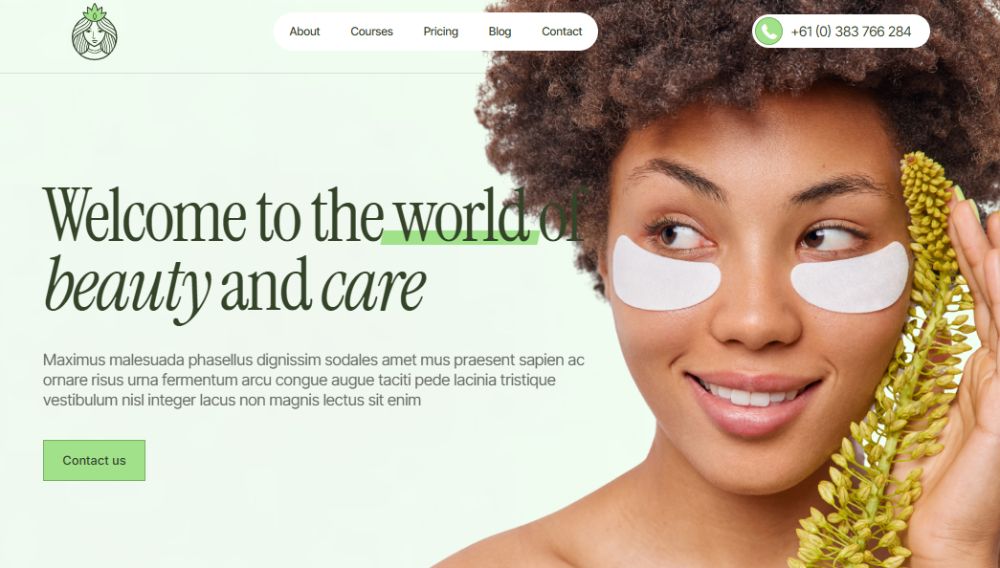
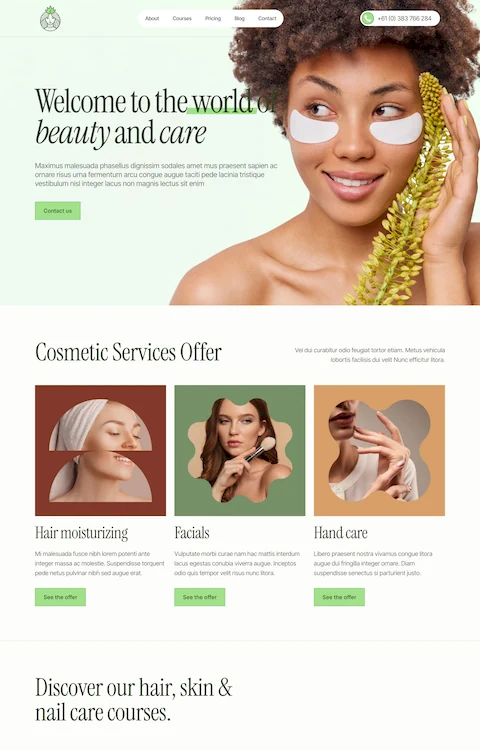
BE Beauty 5
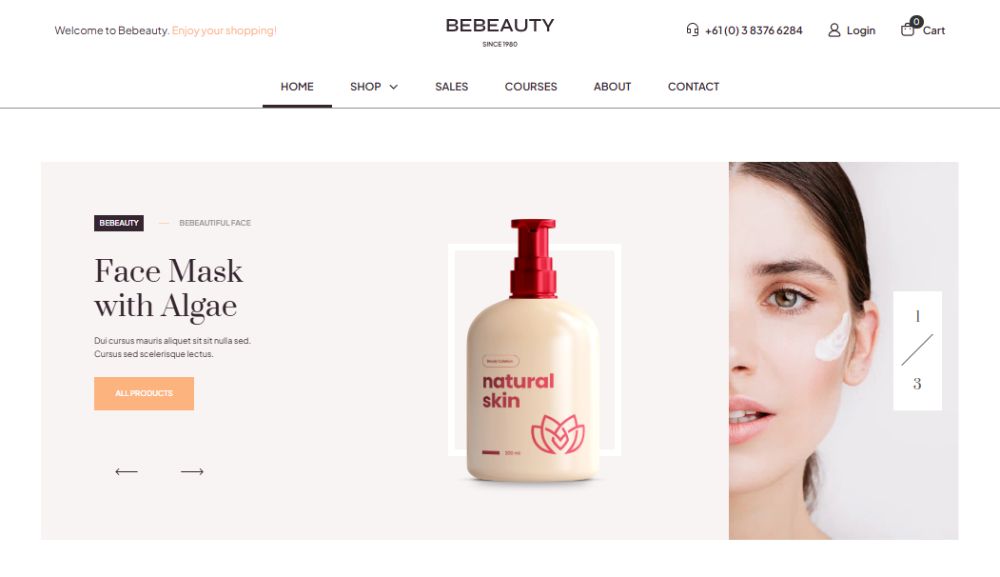
BE Beauty 3
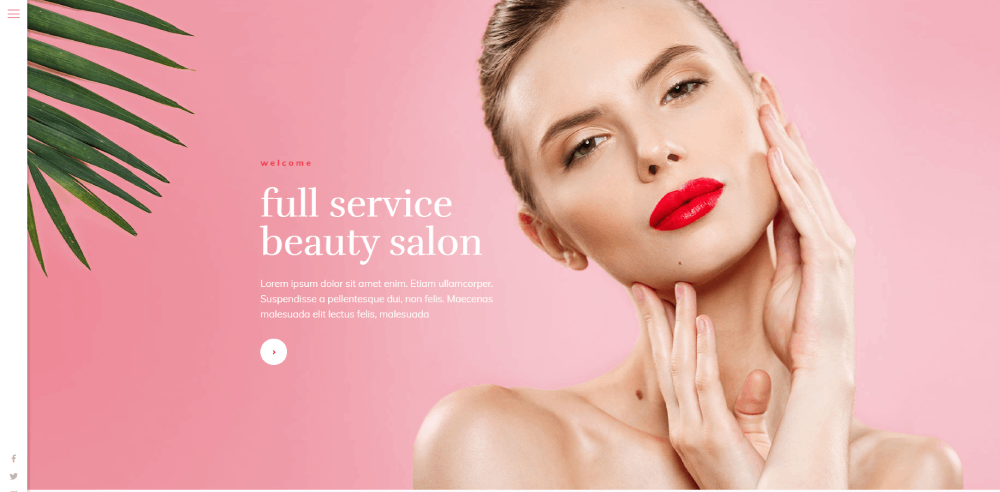
BE Makeup
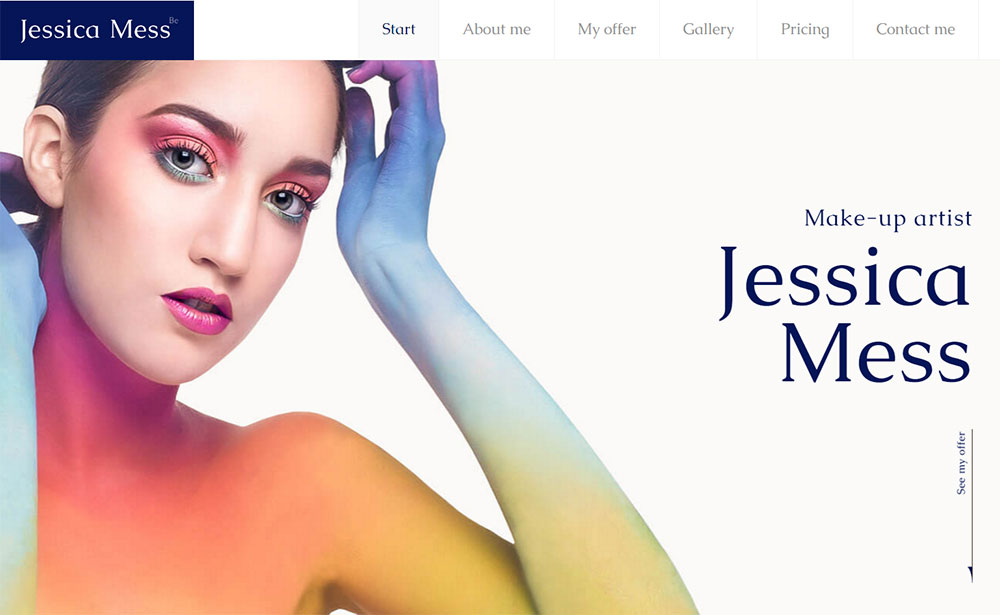
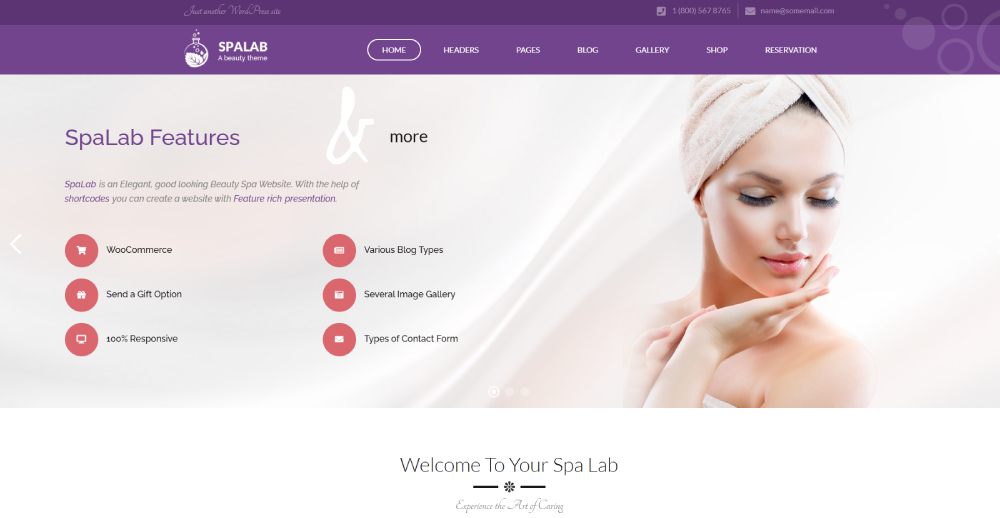
SpaLab
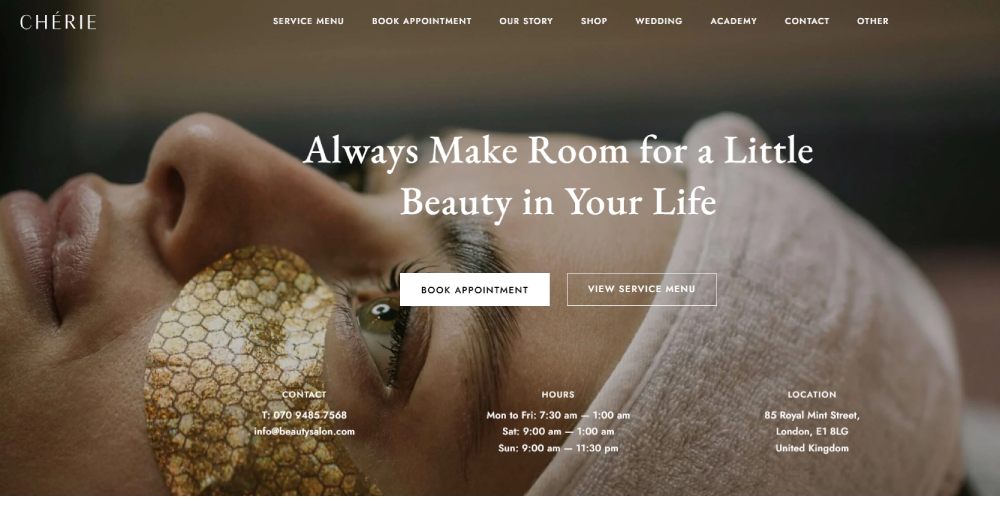
Chérie
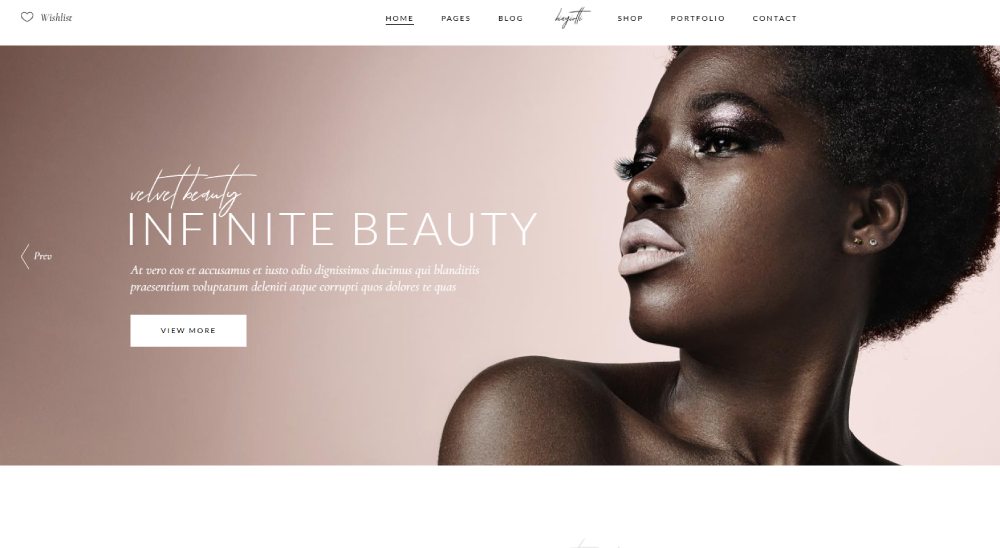
Biagiotti
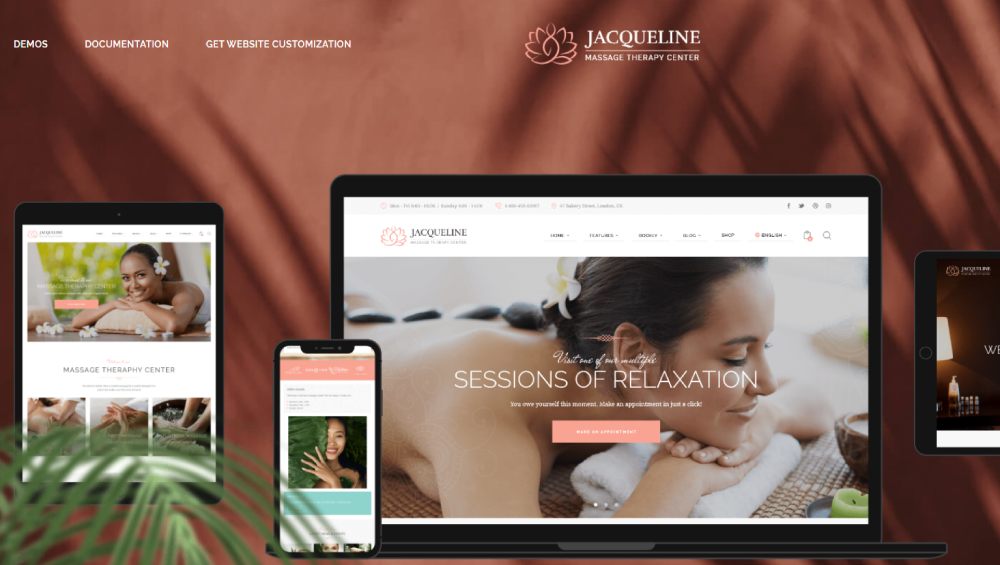
Jacqueline
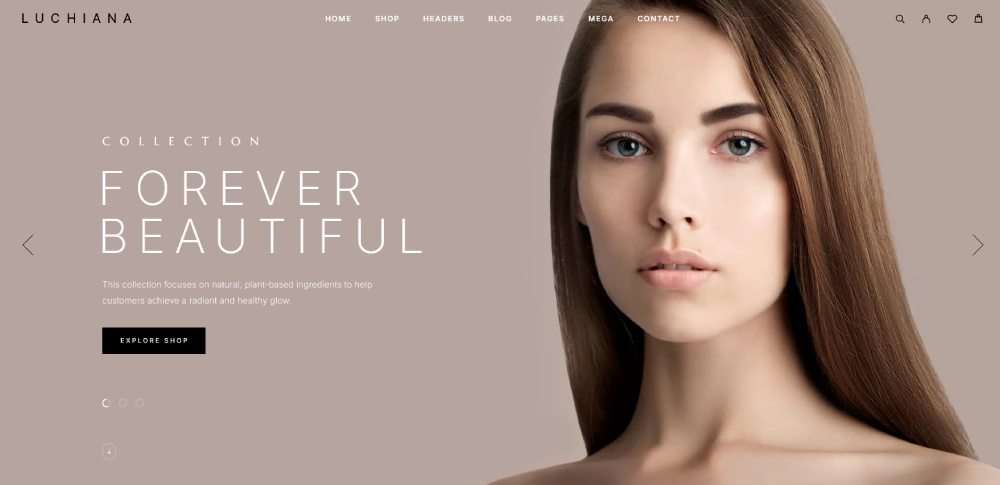
Luchiana
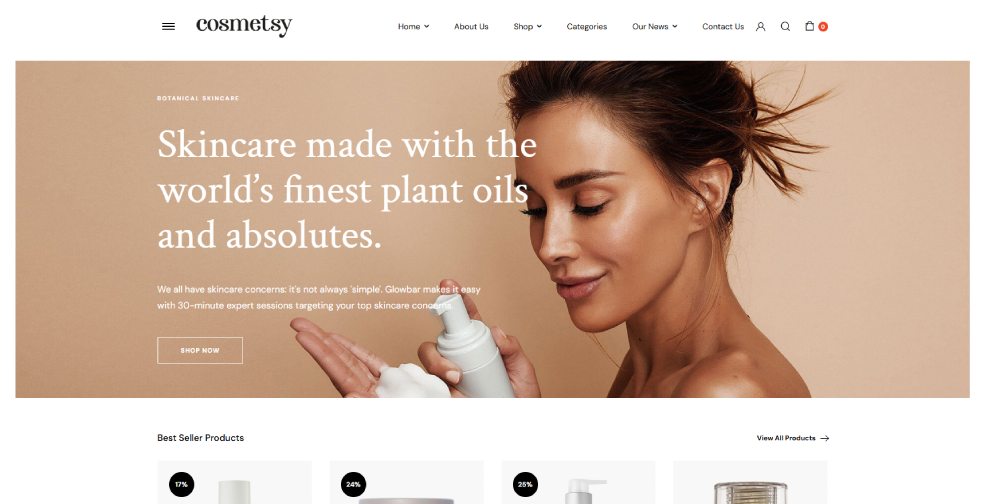
Cosmetsy
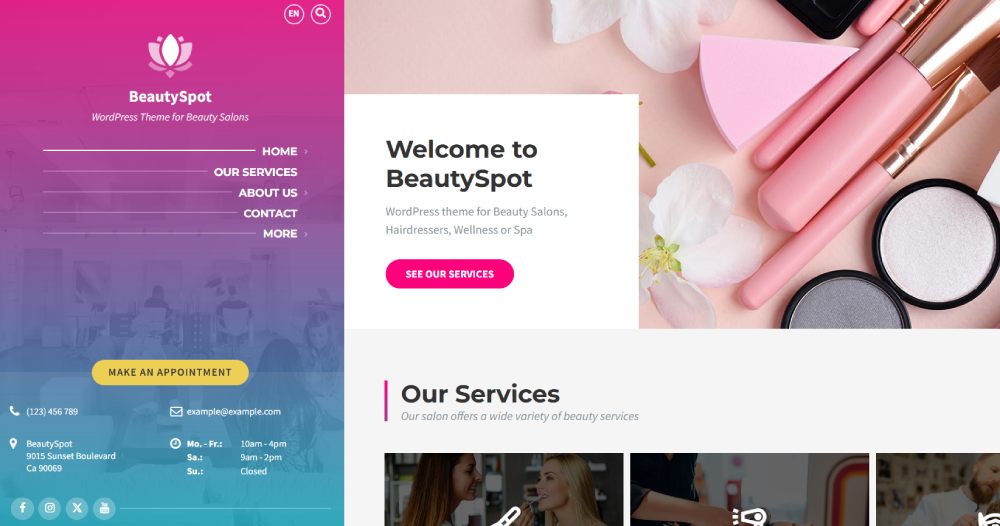
Spot
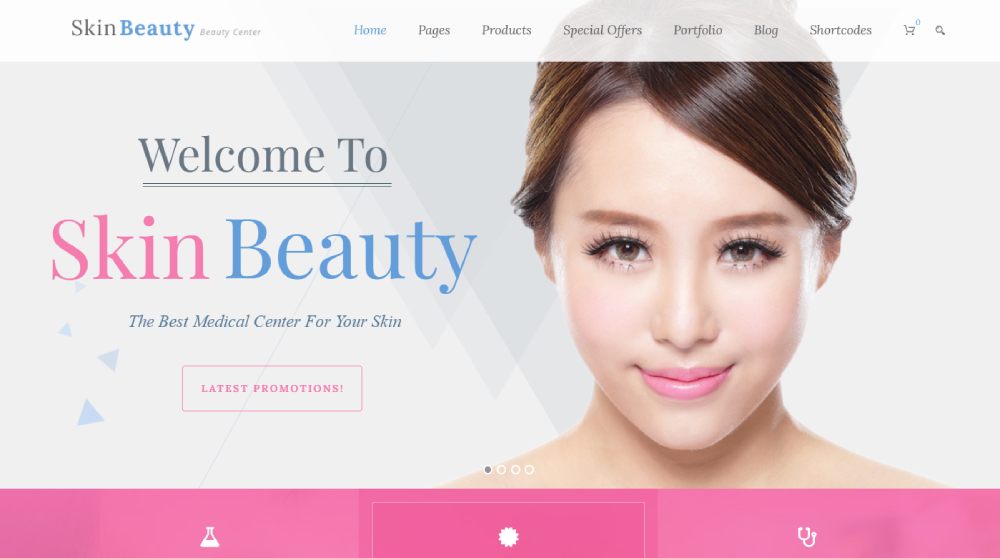
Skin
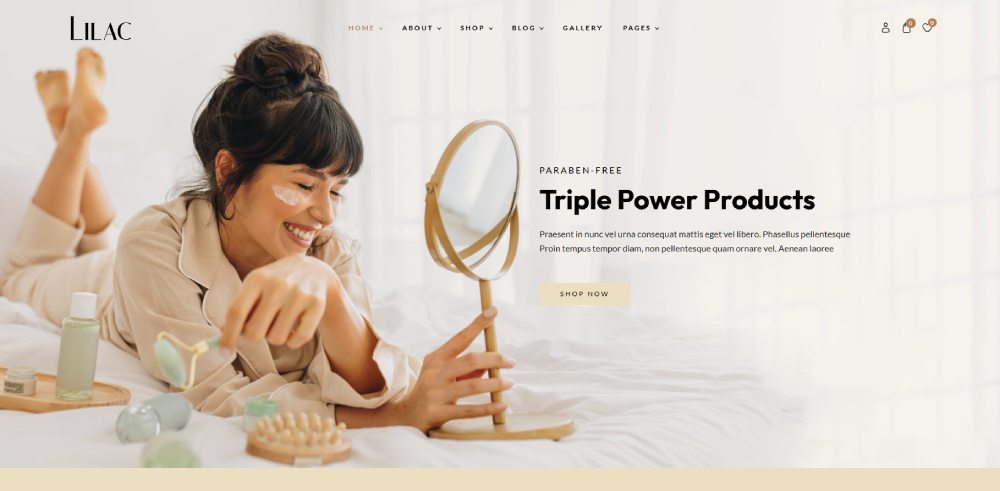
Lilac
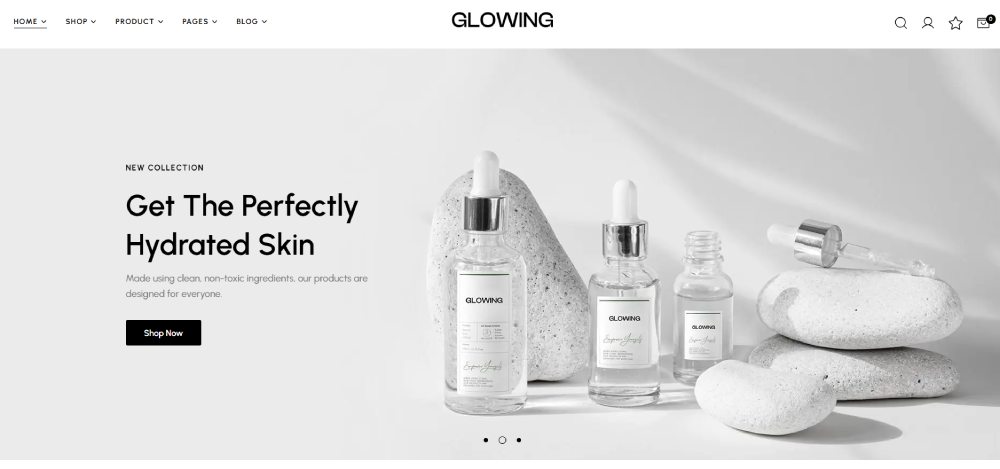
Glowing
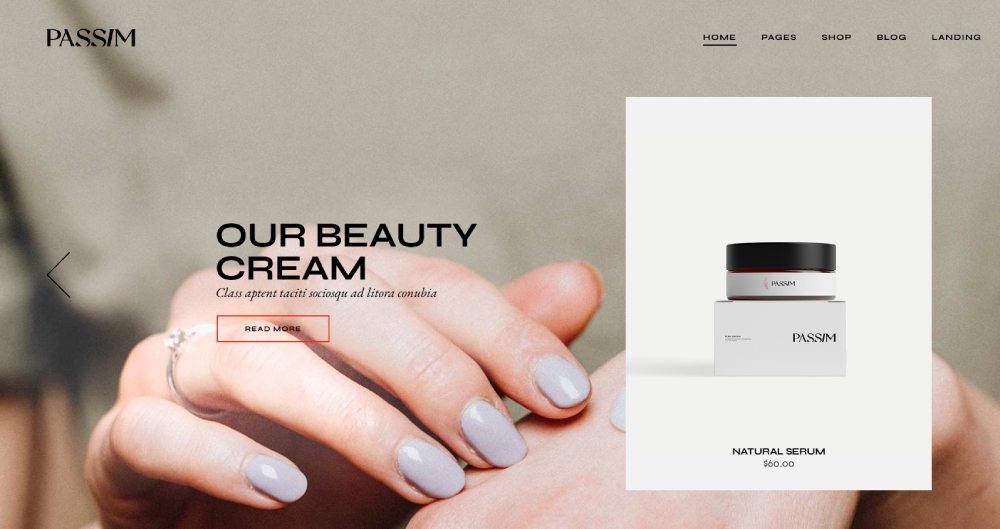
Passim
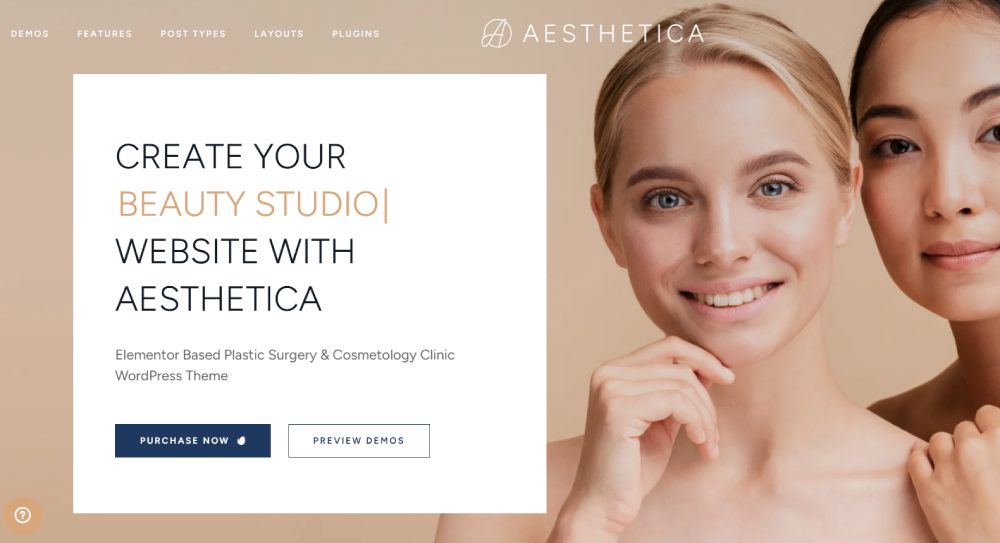
Aesthetica
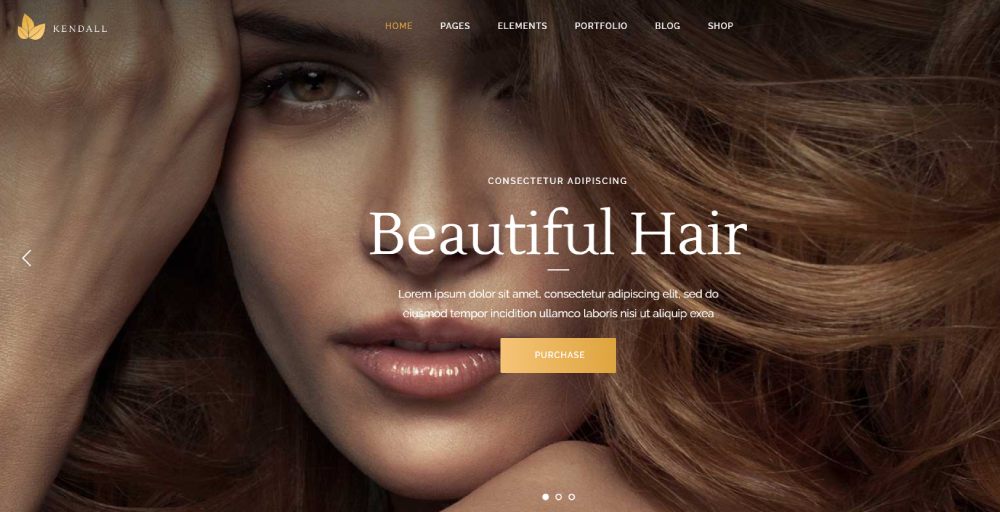
Kendall
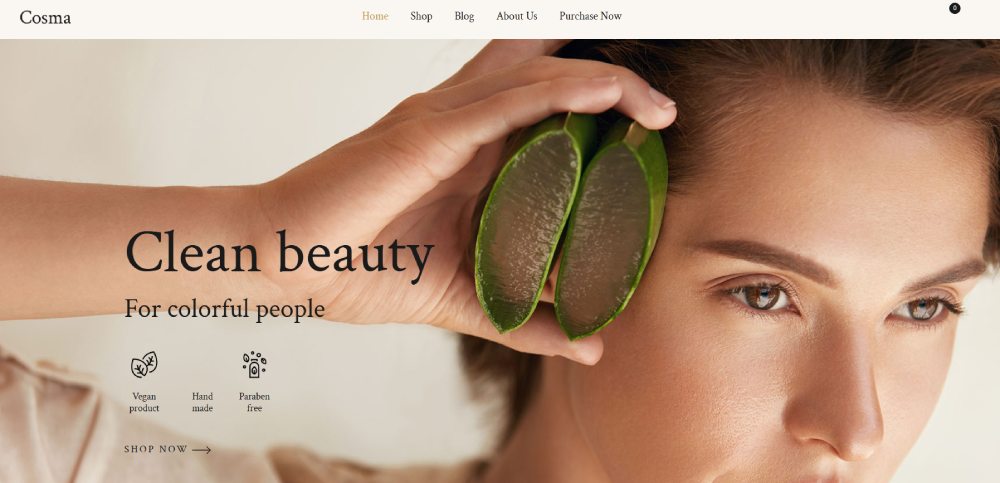
Cosma
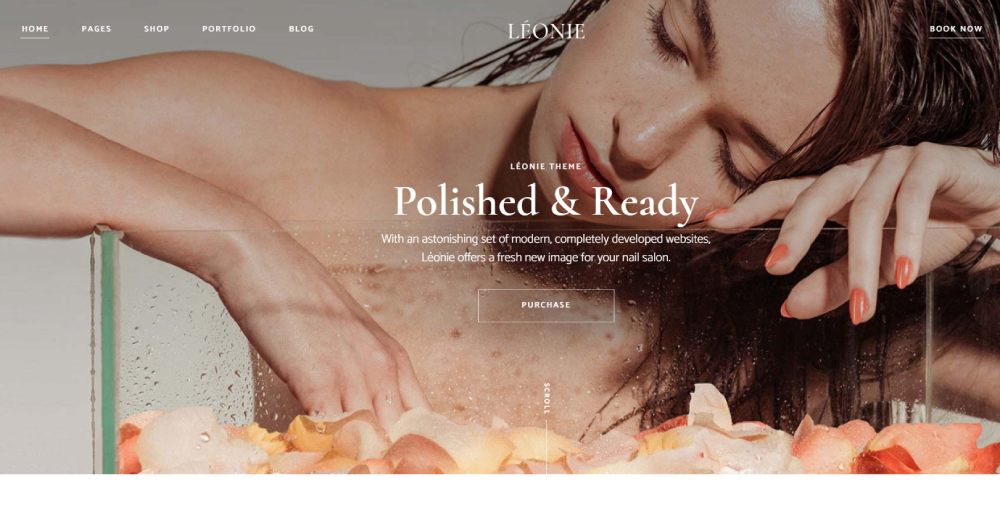
Léonie
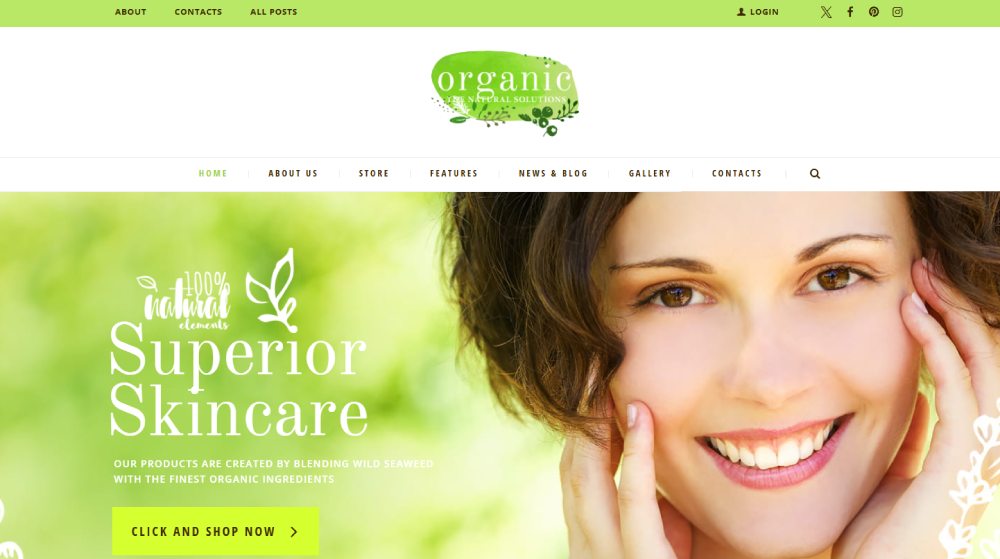
Organic
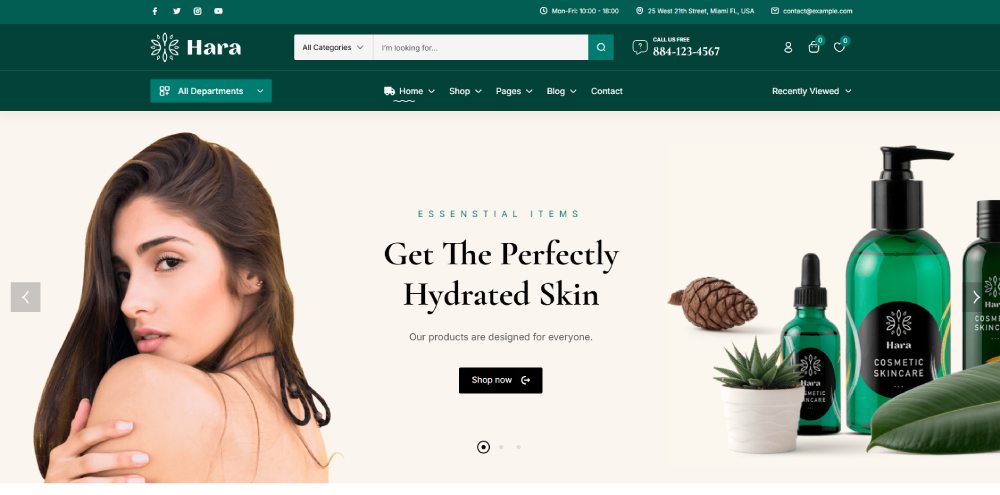
Hara
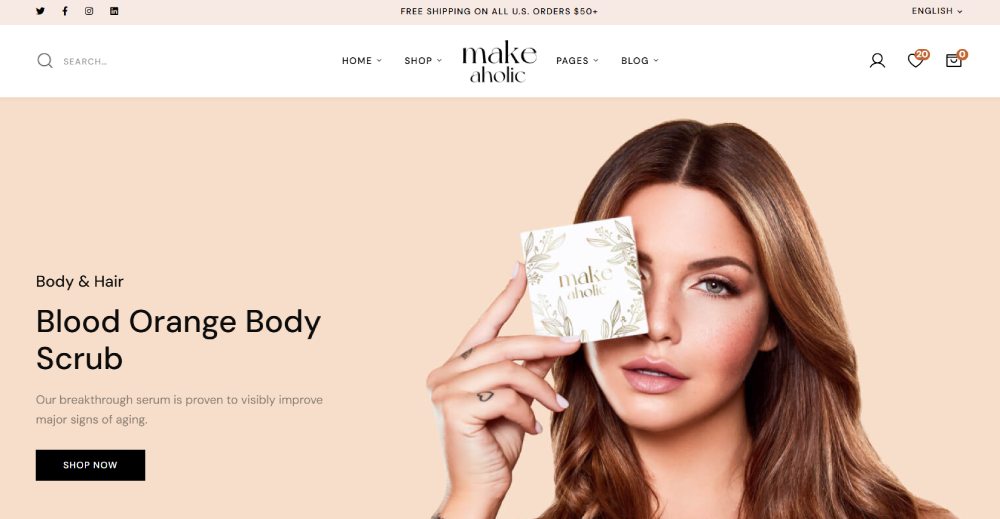
Makeaholic
What Features Should a Beauty Website Template Have
Not every template works for every beauty business. A skincare ecommerce store has different needs than a solo lash tech running appointments out of a studio.
But there's a baseline. Certain features separate a usable beauty template from one that will frustrate you within a week.
What Layout Elements Matter for Beauty Websites
The hero section is the first thing visitors see. For beauty sites, this needs to be image-heavy with a clear call to action button, usually "Book Now" or "Shop Products."
Beyond that, look for these layout elements:
- Service menu with pricing page layout
- Before-and-after photo gallery
- Online booking integration (Calendly, Acuity Scheduling, Booksy, Fresha)
- Testimonial page or review section
- Contact form design with map embed
- Instagram feed widget
- Product showcase grid for ecommerce
A template missing more than two of these will need heavy customization. That defeats the purpose of using a template in the first place.
What Design Characteristics Define a Professional Beauty Template
Typography sets the tone immediately. Serif fonts lean luxury and high-end spa. Sans-serif reads modern and clean, better for clinical skincare or med spa brands.
Your color scheme matters more than most people think. Soft pinks, golds, and neutrals dominate beauty sites for a reason. They signal femininity, warmth, and care. But a dark themed website can work for edgier brands like tattoo studios or bold cosmetics lines.
Generous white space keeps things from feeling cluttered. Beauty is visual. Let the images breathe.
Mobile responsiveness is non-negotiable. Over 70% of beauty service bookings happen on phones. If the template breaks on a 390px screen, skip it.
How Does Booking Integration Work in Beauty Templates
Most beauty website templates don't have built-in scheduling. They connect to third-party tools through embed codes or plugins.
The big ones: Acuity Scheduling, Booksy, Fresha, Square Appointments, and Calendly. Each handles appointment types, staff calendars, payment processing, and confirmation emails differently.
WordPress templates usually connect through plugins or shortcode embeds. Shopify beauty store templates rely on apps from the Shopify App Store. Squarespace has its own native scheduling tool baked in, which is actually pretty good for solo practitioners.
Check if your template supports the booking tool you already use before buying. Switching scheduling platforms later is a headache you don't want.
Which Platforms Offer Beauty Website Templates
The platform you choose shapes everything: how much control you get, what integrations are available, how fast your pages load, and how much you'll pay monthly.
There's no single best platform. It depends on whether you're selling products, booking services, or both.
How Do WordPress Beauty Templates Compare to Shopify Beauty Templates
WordPress gives you the deepest customization. Thousands of beauty themes exist on ThemeForest alone. Pair one with Elementor or Divi, and you can change almost anything without touching code. WooCommerce handles product sales. Plugins handle booking, SEO, and everything else.
The tradeoff: more setup time, more maintenance, and you're responsible for hosting, updates, and security.
Shopify is the opposite. Limited design flexibility, but ecommerce works out of the box. If you're a skincare brand or cosmetics store selling products first and booking services second, Shopify is the faster path.
WordPress for flexibility. Shopify for selling. That's the short version.
What Are Squarespace Beauty Templates Best For
Squarespace is built for visual-first businesses. Photographer websites, portfolio sites, and beauty professionals who rely on imagery to attract clients.
The built-in templates look polished without much effort. Native scheduling, ecommerce, and blogging are included. No plugins to manage, no updates to run.
Best for: solo makeup artists, bridal beauty pros, estheticians who want a clean, aesthetic site without the WordPress learning curve.
When Should a Beauty Brand Use a Webflow Template Instead
Webflow sits between WordPress and Squarespace. You get serious design control (custom animations, interactions, CMS collections) with cleaner code output and faster page speed.
If your beauty brand needs animated product showcases, parallax scrolling effects, or a design that doesn't look like every other salon site, Webflow handles that well.
The catch: steeper learning curve and higher monthly cost. Most solo beauty professionals don't need it. Design agencies building sites for luxury beauty brands, though, that's where Webflow shines.
How to Choose the Right Beauty Website Template for Your Brand
Picking a template based on how pretty the demo looks is the fastest way to end up rebuilding your site in six months. The demo is staged with perfect stock photos and placeholder text. Your real content will look different.
Start with your business type, then match the template to it.
What Type of Beauty Business Are You Running
A hair salon needs a service menu, staff bios, and online booking front and center. A skincare ecommerce brand needs product grids, checkout flow, and shipping info. A solo lash tech needs a one page website with a booking link and a gallery.
Different business, different template structure:
- Service-based (salons, spas, estheticians): booking integration, service pricing, staff pages, Google My Business link
- Product-based (skincare lines, cosmetics brands): product catalog, cart, Stripe or PayPal checkout, shipping pages
- Hybrid (med spas, beauty studios): both booking and ecommerce, plus educational blog content
- Personal brand (makeup artists, beauty bloggers): personal portfolio, social proof, Instagram integration
Does Your Template Support the Integrations You Need
Check integration support before you buy. Booking tools (Booksy, Fresha, Square Appointments), payment processors (Stripe, PayPal), email marketing (Mailchimp), and social feeds (Instagram, Pinterest) all need to connect without breaking the layout.
WordPress handles this through plugins. Shopify through apps. Squarespace and Wix have built-in options but fewer third-party connections.
How Important Is E-Commerce for Your Beauty Website
If you sell physical products like serums, palettes, or hair tools, your template needs a proper ecommerce engine. WooCommerce on WordPress, or a native Shopify beauty store template. Clothing websites and retail websites face the same decision, and the logic applies here too.
Service-only businesses can skip ecommerce entirely. A booking page and a contact form are enough.
How to Customize a Beauty Website Template
Buying the template is step one. Making it look like your brand, not like the demo, is where the real work starts.
How Do You Change Fonts and Colors to Match Your Beauty Brand
Pick two fonts maximum. One for headings, one for body text. Luxury spa brands lean toward serifs like Playfair Display or Cormorant from Google Fonts. Modern skincare brands do better with clean sans-serifs like Montserrat or Poppins.
For colors, pull directly from your logo or brand kit. A pink color palette works for feminine beauty brands. Deeper tones from a purple color palette suit wellness and holistic brands. Golds and creams from a luxury color palette fit high-end salons and med spas.
Understanding basic color theory helps here. Complementary colors create contrast; analogous palettes feel harmonious. Most beauty brands stick with analogous because it feels calming.
How Do You Add a Portfolio or Gallery to a Beauty Template
Before-and-after photos sell beauty services better than any copy ever will. Your template should include a gallery grid or lightbox feature. If it doesn't, add one through a plugin (WordPress) or a gallery block (Squarespace, Wix).
Compress images before uploading. Tools like Adobe Photoshop, Canva, or free alternatives like TinyPNG keep file sizes small without destroying quality. Slow-loading galleries kill mobile conversions.
Organize galleries by service type: hair color transformations, lash sets, facial results, nail art. Visitors want to find their specific service fast.
How Do You Set Up Online Booking on a Beauty Website Template
Pick your scheduling tool first: Acuity Scheduling for flexibility, Booksy for salon-specific features, Fresha for commission-free booking, Square Appointments if you already use Square for payments.
On WordPress, embed the booking widget via shortcode or HTML block. On Shopify, install the scheduling app and add it to your navigation. On Squarespace, activate the built-in scheduling page.
Place a "Book Now" button in the header, on the homepage hero, and at the bottom of every service description page. Three touchpoints minimum.
What Are Common Mistakes When Using Beauty Website Templates
Templates save time. But they also create patterns. Thousands of beauty sites end up looking identical because nobody customizes past the basics.
Here are the mistakes that keep showing up.
Why Do Some Beauty Websites Look Generic Even With a Premium Template
Stock photos are the biggest offender. A template demo filled with professional model shots looks great. Replace those with your actual phone photos, and the whole thing falls apart. Invest in a single professional photoshoot, or at least shoot with natural light and a clean background.
Other reasons: keeping the demo's default fonts and colors, not writing custom copy for service descriptions, using the same placeholder "About Us" text structure every other salon uses.
Look at the most popular beauty websites in your niche. Notice how none of them look like a template out of the box. They've all been customized with real brand photography, unique copy, and intentional web design elements that match their identity.
How Does a Slow Beauty Website Affect Client Bookings
A page that takes longer than 3 seconds to load loses over half its visitors. For beauty sites packed with high-resolution images and embedded booking widgets, speed problems are common.
Run your site through Google PageSpeed Insights after setup. Common fixes: compress all images, lazy-load gallery sections, reduce unused CSS/JS from the template, and pick a fast hosting provider.
A responsive, fast-loading mobile first design directly affects how many people actually complete a booking versus bouncing to a competitor's site. Speed is not a bonus feature. It's the foundation of a user friendly website.
FAQ on Beauty Website Templates
What is a beauty website template?
A beauty website template is a pre-designed web page layout built for salons, spas, skincare brands, and beauty professionals. It includes ready-made sections for services, galleries, booking, and contact pages that you customize with your own content.
Are beauty website templates mobile responsive?
Most premium templates from platforms like WordPress, Shopify, and Squarespace are mobile responsive by default. Always test the demo on your phone before buying. Over 70% of beauty service bookings come from mobile devices.
Can I add online booking to a beauty website template?
Yes. Templates connect to scheduling tools like Acuity Scheduling, Booksy, Fresha, and Square Appointments through plugins, embed codes, or native integrations. Squarespace includes built-in scheduling. WordPress and Shopify use third-party apps.
Which platform has the best beauty website templates?
WordPress offers the most variety through ThemeForest and TemplateMonster. Shopify is best for beauty ecommerce. Squarespace fits visual portfolios. Wix works for beginners. Each platform serves a different business type and skill level.
How much do beauty website templates cost?
Free templates exist on every platform. Premium beauty themes range from $19 to $200+, depending on features, the developer, and the marketplace. Factor in hosting, domain, and plugin costs separately if you're using WordPress.
Can I sell skincare products with a beauty website template?
Yes. Use a Shopify beauty store template or a WordPress theme with WooCommerce integration. Both support product catalogs, cart functionality, Stripe and PayPal checkout, inventory management, and shipping configuration out of the box.
Do I need coding skills to use a beauty website template?
No. Most templates work with drag-and-drop builders like Elementor, Divi, or native platform editors. You swap demo content with your own images, text, and branding. Basic computer skills are enough to get a site live.
How do I make my beauty website template look unique?
Use real brand photography instead of stock images. Customize fonts through Google Fonts, adjust your color palette to match your brand identity, and write original service descriptions. Small changes to the default layout prevent your site from looking generic.
What pages should a beauty website template include?
At minimum: homepage with hero image, services page with pricing, before-and-after gallery, online booking page, about page with staff bios, contact page with form and map, and a blog for SEO-driven content.
How do I make my beauty website load faster?
Compress all images before uploading, enable lazy loading for galleries, remove unused CSS and JavaScript from the template, and use reliable hosting. Run your site through Google PageSpeed Insights to find specific issues slowing it down.
Conclusion
The right beauty website template saves you weeks of design work and gives your salon, spa, or skincare brand a professional online presence from day one. But the template itself is just the starting point.
What matters is how you customize it. Real photography instead of stock images. A color palette that matches your brand. Booking integration that actually works on mobile. Fast page speed through compressed images and clean code.
Whether you build on WordPress with Elementor, launch a Shopify beauty store, or keep things simple on Squarespace, pick the platform that fits your business model first.
Skip the template that looks prettiest in the demo. Choose the one that supports the features your clients need: online scheduling, service pricing, product checkout, and a gallery that loads fast on every device.